COVID-19 is an infectious disease caused by SARS-CoV-2, a virus belonging to the broader coronavirus family. The term “coronavirus” covers many related viruses, some of which infect animals and others that can infect humans. When people discuss COVID-19 testing, they are usually referring specifically to tests designed to detect SARS-CoV-2 or evidence of the immune response associated with it. Understanding that distinction helps prevent confusion when reading test labels or interpreting results.
Resources concerning Coronavirus For Covid-19 Testing should be evaluated according to the exact test being offered and the question it is designed to answer. Some products detect viral antigens, others identify genetic material, and some measure antibodies in blood. These methods provide different information, so the intended purpose should be clear before a test is selected.
What COVID-19 Tests Are Designed to Detect
Tests for current SARS-CoV-2 infection commonly use respiratory specimens. Molecular tests look for genetic material from the virus, while antigen tests detect selected viral proteins. Both approaches can support the investigation of a current infection, but their sensitivity and practical requirements differ.
Molecular tests, including PCR-based methods, amplify specific genetic sequences so that small amounts of viral material can be detected. They are generally more sensitive than rapid antigen tests, although sample collection and timing still influence performance.
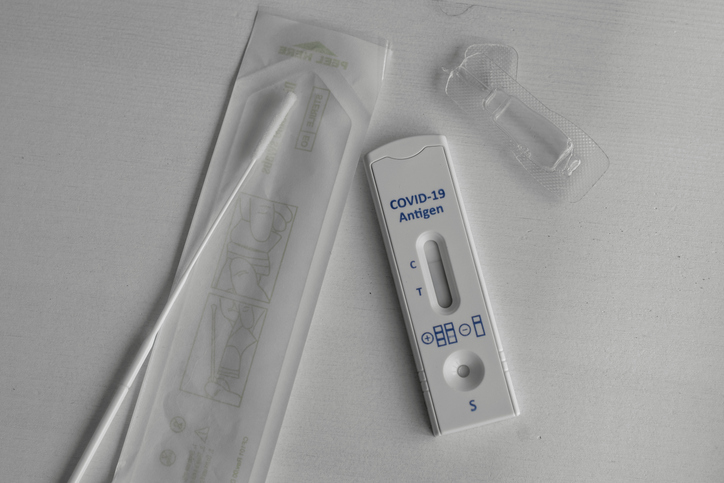
Antigen tests are often designed for faster results and simpler procedures. They may be used in certain healthcare, community, or home settings when authorized for that purpose. Their ability to detect infection can vary with the amount of virus in the specimen. A negative result does not always rule out COVID-19.
Antibody tests work differently. They measure immune proteins that may develop after infection or vaccination. These results do not usually establish whether someone has an active infection at the time of testing.
When Screening May Be Considered
Testing may be appropriate when a person develops symptoms consistent with COVID-19, has been exposed to someone with a confirmed infection, or needs to follow a specific healthcare or workplace policy. Recommendations can change according to local public health conditions and the person’s circumstances.
People at increased risk of severe illness should seek medical advice promptly when symptoms develop. A clinician can advise whether testing is useful and whether treatment assessment is time-sensitive. Testing should not delay urgent care for severe breathing difficulty, persistent chest pain, confusion, or other serious symptoms.
Screening in healthcare environments may also support infection-prevention decisions. Facilities can use their local protocols to determine when testing is appropriate, which method to use, and how results should be documented.
Understanding the Main Test Categories
Molecular tests identify viral genetic material. They are commonly used when a sensitive method is required and may be processed in a laboratory or on an approved rapid molecular platform.
Antigen tests detect viral proteins. They are often quicker and more convenient, but their performance can depend more strongly on the amount of virus in the sample. Some guidance recommends repeat testing after an initial negative result when infection remains possible.
Antibody tests detect the body’s immune response. Depending on the target, they may provide information about previous infection or vaccination response. They should not be confused with tests for active infection.
How to Improve the Quality of Testing
The first step is to select a product that is authorized for the intended use. Read the package insert to confirm the specimen type, collection method, storage range, expiration date, and user requirements. A test designed for professional use may require trained personnel and should not be assumed to be suitable for unsupervised home testing.
Sample collection should follow the instructions exactly. Using an incorrect swab, collecting too little material, or reading a device outside the stated time window can affect the result. If a test is invalid, follow the manufacturer’s instructions rather than interpreting it as negative.
Use Results Alongside Health Guidance
A positive result should prompt the user to follow current public health and medical advice. A negative result should be understood in context, especially if symptoms are present or exposure is recent. Further testing or clinical assessment may be appropriate.
COVID-19 testing is most useful when the test method matches the question being asked. Knowing whether a product detects viral material, antigen, or antibodies helps people understand what a result means and make better-informed decisions about health and infection prevention.