

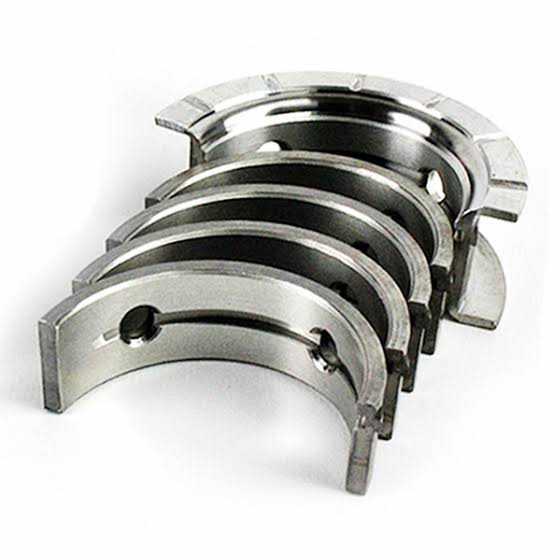
Marine bearings are essential components in ships, supporting rotating shafts and moving machinery while reducing friction and managing mechanical loads. They are used in propulsion systems, steering equipment, pumps, generators, and various auxiliary machines. Since each application has different operating requirements, selecting the correct bearing is important for maintaining reliable vessel performance.
The right choice depends on factors such as load capacity, rotational speed, lubrication method, material properties, and exposure to marine conditions. Understanding these requirements helps engineers and vessel operators select suitable Marine Bearings that deliver dependable performance and reduce the risk of premature equipment failure.
Understand the Bearing Application
The first step in selecting a marine bearing is identifying where and how it will be used. Different vessel systems experience different types of movement, loads, and operating conditions.
For example, propeller shaft bearings must support shaft rotation and maintain alignment, while rudder bearings help manage loads associated with steering movements. Bearings used in pumps and generators have their own speed, temperature, and lubrication requirements.
Before choosing a product, determine:
- The machinery or vessel system where the bearing will be installed.
- Whether it will support radial loads, axial loads, or both.
- The required rotational speed.
- The expected operating hours and service conditions.
- Available space and installation dimensions.
A clear understanding of the application makes it easier to narrow down suitable bearing designs.
Select the Appropriate Bearing Type
Marine bearings are available in several designs, each serving particular mechanical requirements.
Plain Bearings
Plain bearings support shafts through sliding contact surfaces. They are commonly used in propeller shaft arrangements, rudder assemblies, and other marine equipment where load support and durability are important.
Their performance depends on suitable material selection, lubrication, surface finish, and operating clearance.
Water-Lubricated Bearings
Water-lubricated bearings use water to reduce friction between the shaft and bearing surface. They are often used in marine propulsion systems and underwater applications.
These bearings can be suitable where water is readily available and the selected bearing materials are compatible with the operating environment.
Oil-Lubricated Bearings
Oil-lubricated bearings use a controlled oil film to separate moving surfaces. They are frequently found in propulsion machinery and large rotating equipment.
Their selection requires attention to oil viscosity, circulation, sealing, temperature, and maintenance requirements.
Ball and Roller Bearings
Ball and roller bearings use rolling elements to reduce friction. Ball bearings are often suitable for equipment requiring smooth rotation, while different roller bearing designs can support heavier loads.
They may be used in motors, pumps, generators, and other auxiliary machinery, depending on the specific design and operating conditions.
Thrust Bearings
Thrust bearings are designed to manage axial forces acting along a shaft. They are particularly important in propulsion systems where propellers generate substantial thrust during operation.
Selecting the correct thrust bearing requires accurate knowledge of the expected axial load and operating speed.
Evaluate Load Capacity and Operating Speed
Load capacity is one of the most important factors when choosing a marine bearing. A bearing must withstand the forces generated during normal operation without experiencing excessive deformation, friction, or wear.
Radial loads act perpendicular to the shaft, while axial loads act parallel to its axis. Some applications involve both types of forces, requiring a bearing designed for combined loading.
Rotational speed also affects bearing performance. High-speed machinery may require designs with suitable friction characteristics, lubrication arrangements, and temperature limits.
Engineers should compare expected operating conditions with the manufacturer’s rated specifications rather than selecting a bearing based only on physical dimensions.
Consider Material and Corrosion Resistance
Marine environments expose equipment to moisture, saltwater, temperature variations, and potentially corrosive substances. Bearing materials must therefore be selected according to the surrounding conditions and mechanical demands.
Common material options include:
- Bronze alloys: Used in various marine applications because of their strength and suitable corrosion resistance.
- Stainless steel: Selected where corrosion resistance and mechanical strength are required.
- Rubber: Commonly used in certain water-lubricated bearing designs.
- Engineered polymers: Offer useful wear and friction characteristics in compatible applications.
- Composite materials: Can provide a combination of strength, wear resistance, and environmental compatibility.
The material must also be compatible with the shaft, housing, lubricant, and operating temperature. Choosing an unsuitable combination can accelerate wear and reduce service life.
Choose the Correct Lubrication System
Lubrication plays a major role in bearing performance. It reduces friction, limits heat generation, and helps protect surfaces from premature damage.
Water-lubricated bearings may be appropriate for applications where a consistent water supply is available. Oil-lubricated designs are often selected when the machinery requires a controlled oil film and dedicated lubrication system.
Grease-lubricated bearings may also be used in certain auxiliary applications. The appropriate method depends on the bearing design, equipment specifications, speed, and load.
Always follow the manufacturer’s lubrication recommendations. Incorrect lubricant selection or insufficient lubrication can lead to overheating, increased wear, and equipment failure.
Match Bearing Requirements to Different Vessel Applications
Different vessel types and onboard systems have specific operating demands.
Commercial Cargo Ships
Cargo vessels operate for extended periods and rely on dependable propulsion and auxiliary machinery. Their bearing selection should account for continuous operating hours, shaft loads, maintenance access, and expected service conditions.
Passenger Ships
Passenger vessels require reliable propulsion, steering, ventilation, and onboard utility systems. Bearings used in these applications should meet the relevant performance requirements and support consistent machinery operation.
Fishing Vessels
Fishing vessels may operate in changing marine conditions and require durable components for propulsion, pumps, and deck machinery. Corrosion resistance, material compatibility, and ease of maintenance are important considerations.
Offshore Support Vessels
Offshore vessels often use equipment exposed to demanding operating conditions and substantial mechanical loads. Bearing selection should consider vibration, equipment movement, load variations, and environmental exposure.
Small Recreational Boats
Smaller vessels have different space and equipment requirements. Bearing dimensions, weight, installation arrangements, and compatibility with the propulsion system are particularly important.
Check Dimensions, Tolerances, and Installation Requirements
Even a technically suitable bearing may not perform properly if its dimensions or installation conditions are incorrect.
Before purchasing, verify the shaft diameter, housing dimensions, bearing length, clearance, and mounting arrangement. Manufacturing tolerances should match the equipment design to maintain correct alignment and load distribution.
Installation procedures also matter. Surfaces should be inspected for damage and contamination, and appropriate tools should be used during mounting. Incorrect fitting can cause uneven loading, vibration, and premature wear.
Consider Maintenance and Total Operating Costs
Purchase price is only one part of the overall bearing cost. Vessel operators should also consider installation expenses, lubrication requirements, inspection frequency, replacement intervals, and the potential cost of machinery downtime.
A bearing with suitable durability and manageable maintenance requirements may provide better long-term value than a cheaper alternative that needs frequent replacement.
Establishing an inspection schedule helps identify early signs of damage, including abnormal noise, vibration, temperature changes, and visible wear.
When comparing marine bearing options, buyers can also review technical information from Techemer and assess whether the available products match their vessel’s application and operating requirements.
Conclusion
Choosing the right marine bearing requires careful evaluation of application requirements, load capacity, rotational speed, materials, lubrication, dimensions, and maintenance needs. Propulsion systems, steering assemblies, pumps, and auxiliary machinery all require bearing solutions suited to their specific operating conditions.
By reviewing technical specifications and selecting compatible designs, vessel operators can reduce premature wear, improve machinery reliability, and minimize unexpected downtime. Proper installation and regular maintenance further help ensure dependable bearing performance throughout a vessel’s service life.


