Fire safety is an important consideration when selecting materials for buildings. Flooring is only one part of a property’s overall fire-safety strategy, but its performance can still matter when architects, developers, and contractors assess interior finishes. For projects where a particular fire classification is specified, buyers need to understand what the rating means and how to verify that the selected product meets the required standard.
When reviewing B1 Fire Rated SPC Flooring, it is important to distinguish between a product description and documented test performance. The term B1 is associated with a fire classification system used in certain markets, including China. Its precise meaning and relevance depend on the applicable standard and project requirements. Buyers should not assume that a product carrying this description automatically satisfies every country’s building regulations.
What Does a B1 Fire Rating Indicate?
A fire classification describes how a material behaves under specified test conditions. Depending on the standard, testing may examine characteristics such as ignition, flame spread, heat release, smoke production, or other aspects of fire behaviour.
B1 is commonly used to identify a flame-retardant classification under China’s GB 8624 building-material classification framework. However, the classification should be interpreted using the applicable edition of the standard and the product’s actual test documentation. It is not interchangeable with every fire rating used internationally.
For an international project, the relevant building code may require a different test method or classification. A product that has been tested under one national system may need additional testing or assessment before it can be accepted elsewhere.
Why Fire Performance Matters in Flooring Selection
Flooring forms part of the interior environment and may be considered alongside wall finishes, ceilings, furnishings, and other building components during fire-safety planning. Specifying materials with verified fire-performance characteristics can help project teams make informed choices within the wider design strategy.
This is particularly relevant in buildings with formal material approval procedures. Hotels, offices, educational facilities, retail developments, and multi-unit residential projects may have requirements established by local authorities, consultants, insurers, or building owners.
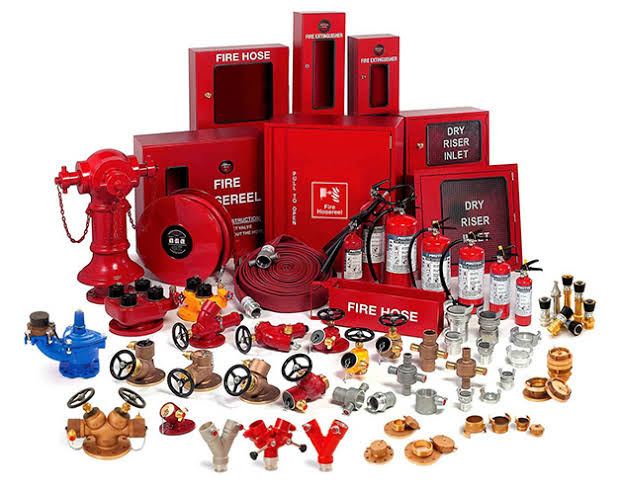
A fire classification should never be treated as a substitute for a complete fire-safety assessment. It does not, by itself, establish that a room or building is safe in a fire. Escape routes, alarms, suppression systems, compartmentation, installation details, and other materials all contribute to the overall safety design.
Verify the Documentation Before Purchasing
Buyers should request a test report or certificate that identifies the product and the standard used. Check that the document applies to the exact flooring construction being offered, including relevant thicknesses, surface layers, and backing materials.
Useful verification steps include:
- Confirm the name and edition of the test standard.
- Check the issuing laboratory or certification body.
- Match the report’s product description to the proposed flooring.
- Review the classification and any stated conditions or limitations.
- Confirm whether the document is current and accepted for the project location.
- Ask the project consultant or authority having jurisdiction to confirm suitability.
A brochure or sales statement may be useful for initial screening, but it should not replace the underlying technical evidence.
Consider the Rest of the Flooring Specification
Fire performance is not the only factor in choosing SPC flooring. Buyers should also review the wear layer, core construction, dimensions, surface treatment, locking profile, and installation instructions. The selected product needs to be suitable for the intended traffic, maintenance routine, and environmental conditions.
Installation materials should also be considered. Adhesives, underlays, trims, and other components may have their own performance characteristics and approval requirements. Where the project specification addresses the complete floor assembly, verify the relevant components rather than focusing only on the plank.
Work with Clear Approval Procedures
Before placing a large order, share the technical documents with the architect, fire consultant, or other responsible project professional. Obtain written confirmation that the classification and test evidence meet the project requirements. Keep the approved report and product specification with the procurement records so the delivered goods can be checked against them.
Make the Rating Part of an Informed Decision
B1-rated SPC flooring may be relevant where a project requires a documented fire classification under the applicable standard. Its value depends on accurate testing, correct interpretation, and acceptance by the relevant authority. Careful verification allows buyers to assess fire performance responsibly while considering the complete needs of the building.