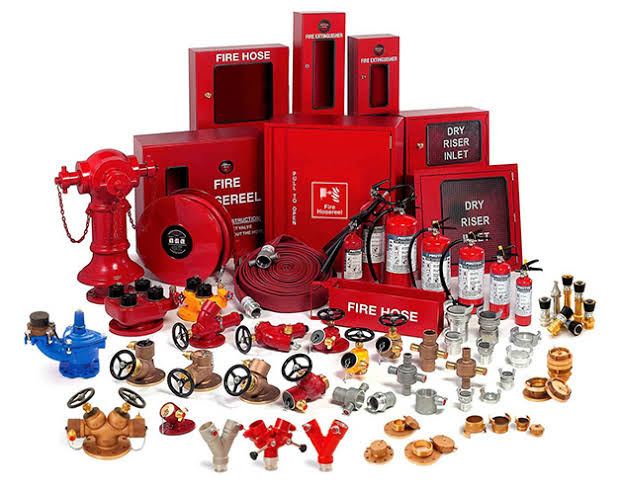
The way an extinguishing agent leaves a fire extinguisher can influence how effectively it reaches the intended area. Some appliances release a concentrated stream, while others produce a broader spray or disperse an agent in a different form. These discharge characteristics are determined by the extinguisher’s design, including its outlet, internal passages, pressure arrangement, and the properties of the agent. Understanding the differences helps users select appropriate equipment and avoid making assumptions about how every extinguisher should be operated.
An Extinguisher Spray refers to the discharge pattern produced by an extinguisher when its operating mechanism releases the agent through the designed outlet. The appearance and behaviour of that discharge depend on the extinguisher type. Water-based units may produce a stream or spray, while foam and powder extinguishers have different discharge characteristics. Carbon dioxide units release an expanding gas and are commonly fitted with a purpose-designed horn or outlet. Each arrangement must remain consistent with the manufacturer’s specifications.
What determines a discharge pattern?
The extinguisher’s nozzle or outlet geometry is one important factor. The size and shape of the opening, together with any internal flow-control features, influence how the agent exits. Internal pressure and the physical properties of the extinguishing medium also affect the resulting discharge.
A narrow outlet may produce a more concentrated stream, whereas another design may distribute the agent over a wider area. However, the visual width of a spray does not by itself indicate how effective an extinguisher will be. The appliance is tested and rated as a complete unit, and its approved discharge arrangement should not be changed.
Different agents, different discharge behaviour
Water-based extinguishers may be designed to deliver water in a particular stream or spray pattern. Their suitability depends on the type of fire and the unit’s rating. Some water-based products are intended for specific applications and may contain additives that influence their properties.
Foam extinguishers are designed to apply a foam-forming agent in a way that supports the unit’s intended fire-fighting function. Dry chemical powder extinguishers use an outlet designed to distribute powder, while carbon dioxide extinguishers require components suited to the rapid expansion and low temperature of the discharged gas. These differences explain why discharge components should never be interchanged without explicit manufacturer approval.
Why pattern suitability matters
The discharge pattern should correspond to the extinguisher’s intended application. A concentrated stream and a wider spray do not behave identically, and neither is appropriate for every type of fire. For example, applying water to energized electrical equipment or certain flammable liquid fires can create additional hazards.
Extinguisher selection should be based on a competent fire risk assessment. The type, size, rating, and location of each appliance should reflect the hazards present and applicable fire safety requirements. Users should be able to identify the extinguisher type and understand its limitations before an emergency occurs.
Nozzle condition and discharge reliability
The outlet must remain clear and structurally sound. Dust, sediment, corrosion, or physical damage can interfere with the designed discharge. A blocked opening may reduce or distort the output, while a cracked or loose component may create leakage or an unsafe operating condition.
During routine checks, inspect the outlet, hose connection, seals, protective components, and surrounding parts. Look for cracks, deformation, deposits, corrosion, and signs of impact. Cleaning should follow manufacturer instructions and should not involve tools or chemicals that could alter the nozzle’s dimensions or material properties.
Avoid unapproved modifications
Changing an outlet size, fitting a different nozzle, or adding an improvised adapter can affect the extinguisher’s pressure and flow characteristics. A component that physically fits may still be unsuitable for the agent or operating conditions. Replacement parts should be specified or approved for the exact extinguisher model.
If the discharge assembly is damaged, the extinguisher should be referred to a qualified service provider. Users should not dismantle a pressurized unit or attempt repairs that fall outside their training and authorization.
Training and safe application
Training should cover extinguisher identification, safe approach, correct operating technique, and the point at which evacuation takes priority. People should understand that a discharge pattern does not make an extinguisher suitable for every hazard. If a fire is spreading, smoke is affecting escape, or the correct equipment is unavailable, occupants should follow the emergency plan and leave the area.
Preserve the manufacturer’s intended performance
An extinguisher’s discharge pattern is part of its tested design, not an interchangeable accessory feature. Keeping the outlet in good condition, using approved replacement components, and selecting the correct agent for the hazard help maintain dependable operation. A clear understanding of spray characteristics supports better equipment management and more informed fire safety decisions.