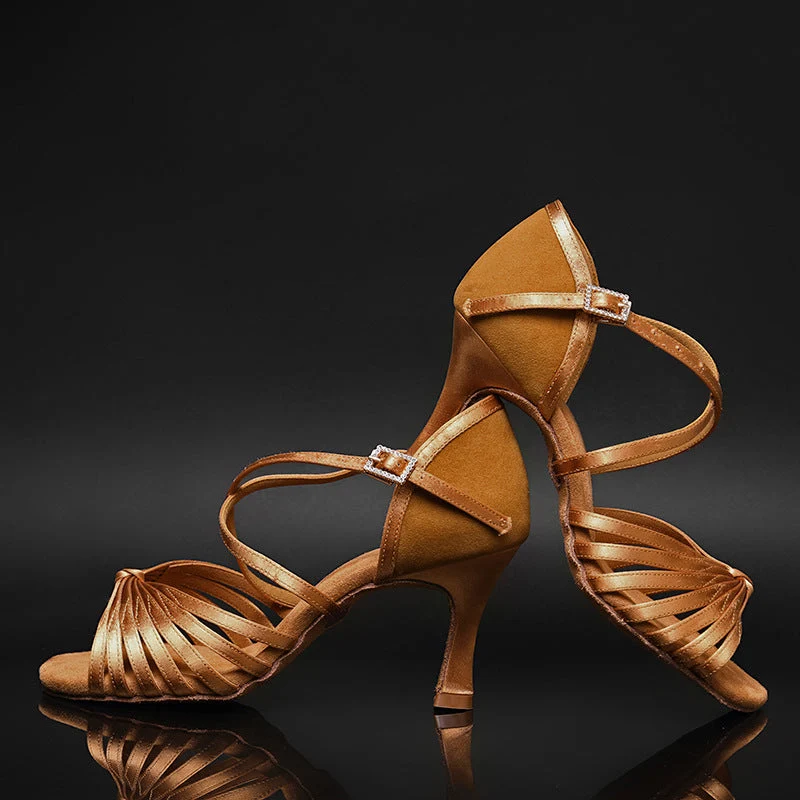
Getting accurate foot measurements is one of the most important steps when ordering dance shoes made specifically for you. A precise fit can improve comfort, support, and overall performance while reducing the risk of discomfort during long rehearsals or performances. Taking the time to measure your feet correctly helps ensure your shoes match your unique shape and movement needs.
Many dancers choose Custom Dance Shoes because they provide a personalized fit based on individual measurements rather than standard sizing. By measuring your feet carefully before placing an order, you increase the chances of receiving footwear that offers the comfort and stability needed for confident dancing.
Why Accurate Measurements Matter
Every person’s feet are different. Even two people who wear the same shoe size may have different foot widths, arch heights, or toe shapes. Accurate measurements help create shoes that fit more naturally and reduce unnecessary pressure on the feet.
A well-fitted dance shoe allows smoother movement, better balance, and greater confidence on the dance floor.
What You Need Before Measuring
Before you begin, gather a few simple items:
- Two sheets of paper
- A pencil or pen
- A ruler or measuring tape
- Socks you normally wear while dancing, if applicable
- A flat, hard surface
Having these items ready makes the process easier and more accurate.
Step 1: Measure Foot Length
Place a sheet of paper on a hard floor and stand on it with your full weight evenly distributed.
Trace the outline of your foot while keeping the pencil as upright as possible. Then measure the distance from the heel to the tip of your longest toe using a ruler.
Repeat the process for the other foot, as one foot is often slightly larger than the other.
Step 2: Measure Foot Width
Locate the widest part of your foot, usually across the ball of the foot.
Measure this distance from one side to the other. Width measurements are just as important as length, especially for dancers with narrow or wide feet.
Step 3: Check Your Arch and Foot Shape
Although length and width are the primary measurements, understanding your foot shape can also help.
Consider factors such as:
- High or low arches
- Wide forefoot
- Narrow heel
- Long toes
- Bunions or other foot characteristics
These details may influence the fit and comfort of custom footwear.
Step 4: Measure at the Right Time
Feet naturally expand throughout the day due to regular activity. For the most accurate results, measure your feet in the evening or after several hours of walking.
This helps ensure your dance shoes remain comfortable during rehearsals and performances.
Common Measuring Mistakes to Avoid
Even small errors can affect the final fit. Avoid these common mistakes:
- Measuring while sitting instead of standing
- Using soft surfaces like carpets
- Measuring only one foot
- Wearing unusually thick socks
- Rounding measurements instead of recording exact values
Taking careful measurements helps improve overall accuracy.
Tips for the Best Fit
Keep these recommendations in mind when measuring your feet:
- Measure both feet every time you order.
- Record measurements in the unit requested by the manufacturer.
- Double-check all measurements before submitting them.
- Follow any brand-specific measuring instructions if provided.
- Keep your posture natural while standing.
These simple steps help ensure more reliable results.
When to Re-Measure Your Feet
Foot size and shape can change over time due to age, activity, or other factors. It’s a good idea to measure your feet again if:
- It has been more than a year since your last measurement.
- You notice changes in comfort or fit.
- You have experienced a foot injury.
- You are ordering from a new manufacturer.
Updated measurements help maintain a comfortable fit.
Conclusion
Measuring your feet accurately is the foundation of choosing dance shoes that provide the right balance of comfort, support, and performance. By carefully recording both length and width, checking your foot shape, and avoiding common measuring mistakes, you can improve the chances of receiving footwear that fits well. Proper measurements help dancers enjoy greater confidence and comfort, allowing them to focus on their technique and performance rather than their footwear.