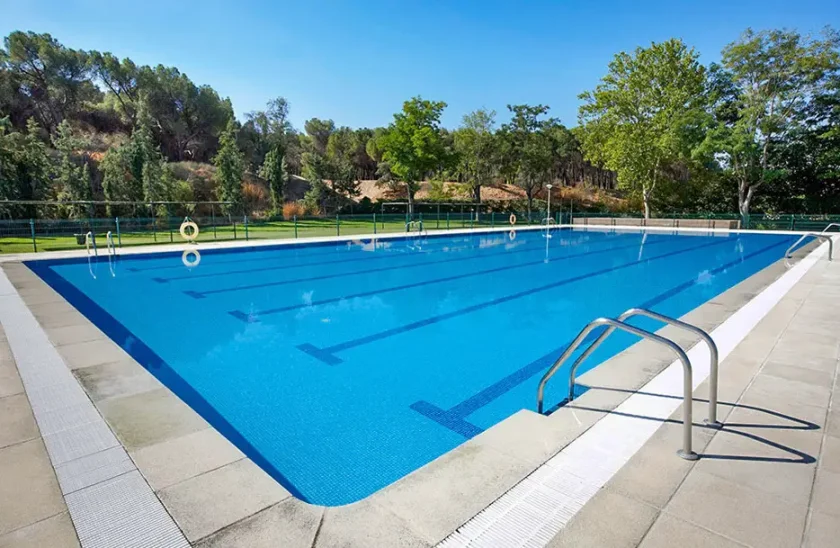
A swimming pool pump and filter system plays a central role in maintaining clean, clear, and properly circulated water. The pump moves water through the filtration equipment, while the filter captures dirt, suspended particles, and other debris. Choosing the right combination helps maintain water quality, improve energy efficiency, and reduce ongoing maintenance challenges.
For new pool owners and those upgrading an existing installation, understanding the available options is essential. Comparing different types of swimming pool equipment and supplies can help you identify components that match your pool’s size, plumbing configuration, and maintenance requirements. With the right setup, you can improve circulation and filtration without spending unnecessarily on oversized or incompatible equipment.
Understanding How Pool Pumps and Filters Work Together
A swimming pool circulation system moves water from the pool through the pump and filter before returning it to the swimming area. Depending on the installation, the system may also include heaters, sanitizing equipment, and other water treatment components.
The pump creates the flow needed to move water through these components. The filter then removes suspended particles, helping maintain water clarity and reducing the amount of debris circulating through the pool.
Both components must be appropriately matched. A pump that is too powerful for the filter or plumbing can create excessive pressure, while an undersized pump may not provide the flow required by the system.
Types of Swimming Pool Pumps
Pool pumps differ in how they operate, how much energy they use, and how precisely their flow can be adjusted. Understanding these differences helps you select a model that suits your pool and operating budget.
Single-Speed Pumps
Single-speed pumps operate at one fixed speed whenever they are running. They have a relatively simple design and may be suitable for certain existing installations, but they offer limited control over circulation rates.
Because the motor runs at a consistent speed, these pumps may consume more electricity than adjustable-speed alternatives when lower flow rates would be sufficient.
Two-Speed Pumps
Two-speed pumps offer high and low operating settings. The higher speed can be used for tasks requiring greater flow, while the lower speed can support routine circulation where the system allows it.
This flexibility can improve energy efficiency compared with running a single-speed pump continuously at full speed. However, actual savings depend on the pump, operating schedule, and hydraulic requirements.
Variable-Speed Pumps
Variable-speed pumps allow users to adjust motor speed across a wider range. This makes it possible to match circulation more closely to filtration, heating, and cleaning requirements.
Operating at lower speeds for longer periods can reduce electricity consumption in appropriately designed systems. These pumps may have a higher purchase price, so it is worth comparing the initial investment with potential long-term operating savings.
How to Choose the Correct Pool Pump Size
Selecting the right pump involves more than looking at the pool’s water capacity. Plumbing dimensions, pipe resistance, filter specifications, and the flow requirements of connected equipment all influence pump selection.
Calculate Pool Volume
Start by estimating the amount of water your pool holds. For a rectangular pool, multiply its length, width, and average depth, using consistent units.
For example, a pool measuring 24 feet long, 12 feet wide, and 5 feet deep has an approximate volume of 1,440 cubic feet. Multiplying this figure by 7.48 gives about 10,771 US gallons.
For irregularly shaped pools, divide the pool into simpler sections and estimate their volumes separately before adding them together.
Understand Flow Rate and Turnover
Flow rate describes how much water a pump moves over a given period. It is commonly measured in gallons per minute (GPM) or gallons per hour (GPH).
Turnover time estimates how long it would take to circulate a volume of water equal to the pool’s capacity at a particular flow rate. It does not mean every particle passes through the filter or that the water becomes completely clean after one turnover.
Use the applicable local requirements, equipment specifications, and professional guidance to establish an appropriate circulation schedule.
Check System Resistance
Water encounters resistance as it moves through pipes, elbows, valves, filters, and other equipment. This resistance is often described as total dynamic head.
A pump must deliver the required flow at the system’s actual operating resistance. Comparing pumps solely by their maximum advertised flow rate can therefore lead to poor results.
Consult the pump performance curve and consider professional sizing assistance when replacing a pump or modifying the plumbing system.
Types of Swimming Pool Filters
Pool filters remove suspended contaminants from circulating water. The main filter types differ in filtration performance, maintenance requirements, water use, and ongoing costs.
Sand Filters
Sand filters use a bed of filter media to capture particles as water passes through. They are widely used because their operation is relatively straightforward.
When the filter becomes dirty, systems designed for backwashing can reverse the water flow to remove accumulated debris. This process uses water, so backwashing frequency and disposal requirements should be considered.
Sand filters may suit owners who prefer a familiar filtration method with manageable routine maintenance.
Cartridge Filters
Cartridge filters use pleated filter elements to trap dirt and fine particles. When cleaning is needed, the cartridge is removed and rinsed according to the manufacturer’s instructions.
These filters generally avoid routine backwashing, which can reduce water loss. However, cartridges need periodic cleaning and eventual replacement.
A cartridge filter may be a good choice for pool owners who want to conserve water and are comfortable performing regular cartridge maintenance.
Diatomaceous Earth Filters
Diatomaceous earth (DE) filters use a fine filtering medium supported by internal filter elements. They can capture very small particles and provide excellent water clarity.
Their maintenance can be more involved than that of some other filter types. Owners must follow manufacturer instructions for replenishing the filtering medium, cleaning the filter, and handling DE safely.
When comparing filter types, consider not only filtration performance but also local regulations, water availability, cleaning procedures, and replacement costs.
How to Match a Pump With the Right Filter
Pump and filter compatibility is one of the most important factors when designing a circulation system. A filter must be rated to handle the flow produced by the pump under actual operating conditions.
If the flow exceeds the filter’s rated capacity, filtration performance may suffer and pressure can rise beyond acceptable limits. Excessive flow may also increase resistance throughout the plumbing system.
Before purchasing equipment, verify the following:
- The filter’s maximum permitted flow rate.
- The pump’s expected flow at the system’s operating resistance.
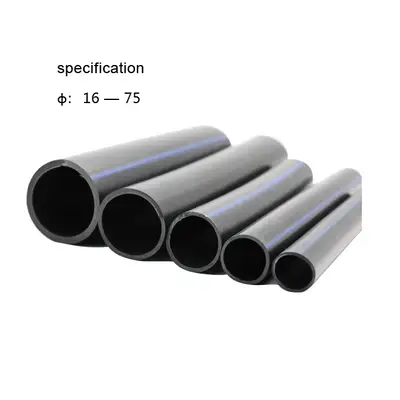
- The pipe diameter and plumbing layout.
- The flow requirements of heaters, sanitizers, and automatic cleaners.
- The manufacturer’s installation and operating specifications.
When replacing only one component, check whether it remains compatible with the existing equipment. A larger pump is not automatically an improvement, and a larger filter does not eliminate the need for correct pump sizing.
Energy Efficiency and Operating Costs
Electricity is often a significant part of the ongoing cost of running a swimming pool. Selecting an efficient pump and operating it appropriately can help reduce energy use without compromising required circulation.
Variable-speed pumps can be especially useful because their energy consumption generally falls substantially as motor speed decreases. However, the system must still deliver sufficient flow for filtration and any connected equipment.
Other factors worth considering include motor efficiency, pipe sizing, unnecessary restrictions, filter condition, and operating schedules. A clogged filter or poorly designed plumbing can increase resistance and reduce overall system efficiency.
When comparing equipment, look beyond the purchase price. Estimate electricity costs, expected maintenance, replacement parts, and potential savings over the equipment’s useful life.
Installation and Maintenance Considerations
Even well-designed equipment needs proper installation and regular maintenance to perform reliably.
Pump Maintenance
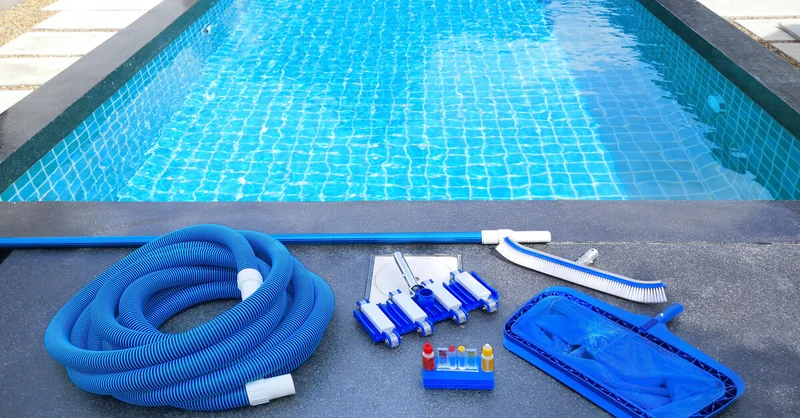
Inspect pump baskets and remove collected debris as needed. Check for leaks, unusual noises, overheating, or changes in water flow. Follow the manufacturer’s instructions for cleaning and servicing the pump.
Always isolate the power supply and follow the required safety procedures before opening equipment. Electrical repairs should be performed by a qualified professional.
Filter Maintenance
Monitor filter pressure according to the manufacturer’s guidance. A rise above the normal clean-filter pressure can indicate accumulated debris, although the correct cleaning threshold varies by system.
Clean or backwash the filter using the specified procedure. For cartridge filters, inspect the elements for damage and replace them when necessary.
Avoid cleaning filters more frequently than needed or relying on a single pressure reading without considering the system’s normal operating conditions.
Seasonal and Periodic Checks
Inspect valves, pipe connections, seals, and other components periodically. Before seasonal startup or shutdown, follow the equipment manufacturer’s instructions and any climate-specific precautions.
If you notice persistent air in the pump basket, repeated loss of prime, leaks, or unusually low circulation, investigate the cause rather than compensating by running the pump at a higher speed.
Common Mistakes to Avoid
Several purchasing and maintenance mistakes can affect pump performance and increase operating costs.
Choosing a pump based only on horsepower: Horsepower alone does not establish the flow a pump will deliver through your particular plumbing system. Review the performance curve and required operating conditions.
Ignoring filter capacity: The filter must be rated for the flow it receives. Check the specifications of both components before purchasing.
Assuming bigger is better: Oversized pumps can waste energy and create unnecessary pressure. Choose equipment based on actual system requirements.
Overlooking long-term costs: Purchase price is only one part of ownership. Account for electricity, filter media, cartridge replacements, and maintenance.
Skipping regular inspections: Dirty baskets, clogged filters, and damaged seals can affect circulation. Routine checks help identify problems early.
Final Thoughts
Choosing the right swimming pool pump and filter system starts with understanding your pool’s volume, plumbing layout, circulation needs, and maintenance preferences. Single-speed, two-speed, and variable-speed pumps offer different levels of control, while sand, cartridge, and diatomaceous earth filters provide distinct filtration and maintenance advantages.
The most effective setup is not necessarily the most powerful or expensive one. It is the system whose components are properly matched, installed correctly, and maintained according to manufacturer recommendations. By comparing flow requirements, filter capacity, energy efficiency, and long-term costs, you can make a more informed decision and keep your pool operating reliably.