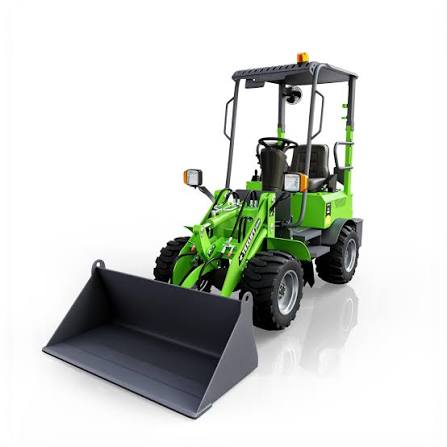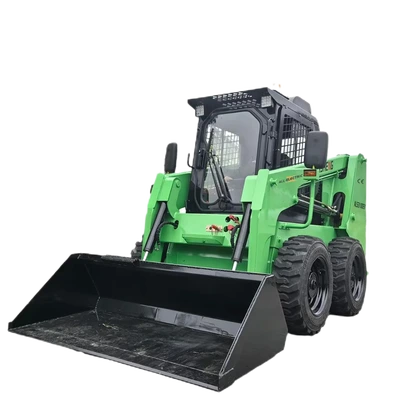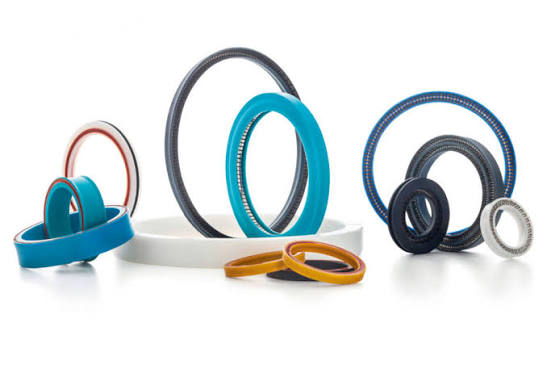
Hydraulic seals are critical components in industrial machinery because they help maintain pressure, prevent fluid leakage, and protect hydraulic systems from external contaminants. They are commonly used in construction equipment, agricultural machinery, manufacturing plants, mining equipment, and heavy-duty industrial applications. Since these components operate under continuous mechanical stress, their quality and durability directly affect equipment performance and maintenance requirements.
A professional Hydraulic Seals Manufacturer must follow carefully controlled production and inspection procedures to ensure that sealing products meet the required specifications. From selecting suitable raw materials to conducting performance tests, every manufacturing stage contributes to the reliability of the finished component. Understanding these quality practices helps industrial buyers make better decisions when sourcing hydraulic sealing products.
1. Selecting High-Quality Raw Materials
Material selection is the foundation of hydraulic seal quality. Different hydraulic systems operate under varying pressure levels, temperatures, and fluid conditions, so manufacturers must choose materials that can withstand their intended environments.
Common materials used in hydraulic seal production include:
- Nitrile Rubber (NBR): Provides good resistance to many petroleum-based hydraulic oils and is widely used in general applications.
- Polyurethane (PU): Offers excellent abrasion resistance and mechanical strength, making it suitable for demanding applications.
- Polytetrafluoroethylene (PTFE): Provides low friction, chemical resistance, and dimensional stability.
- Fluorocarbon (FKM): Commonly selected for applications requiring higher temperature resistance and compatibility with certain chemicals.
- EPDM: Suitable for specific applications involving compatible water-based hydraulic fluids.
Manufacturers evaluate material properties such as hardness, tensile strength, flexibility, compression set, and chemical compatibility before approving materials for production.
Using appropriate materials helps prevent premature deterioration and supports consistent sealing performance.
2. Conducting Raw Material Inspections
Before manufacturing begins, raw materials should undergo inspection to confirm that they meet the required specifications.
Material inconsistencies can affect the physical properties of finished seals, potentially leading to cracking, deformation, excessive wear, or reduced resistance to hydraulic fluids.
Manufacturers may perform several checks, including:
- Hardness measurements.
- Visual inspections for contamination.
- Verification of material specifications.
- Tensile and elongation testing.
- Evaluation of material consistency.
- Review of supplier quality documentation.
These procedures help identify unsuitable materials before they enter the production process.
3. Developing Accurate Seal Designs
A hydraulic seal must be designed according to the dimensions and operating requirements of the equipment in which it will be installed.
Manufacturers consider several engineering factors during product development, including operating pressure, temperature, movement speed, fluid type, and available installation space.
Different sealing components require different designs.
Piston Seals
Piston seals prevent hydraulic fluid from passing between the piston and cylinder bore. Their design must maintain effective sealing contact while allowing controlled movement.
Rod Seals
Rod seals prevent hydraulic fluid from escaping along the moving piston rod. Their profiles must balance sealing effectiveness and friction.
Wiper Seals
Wiper seals remove dust, dirt, and moisture from the piston rod before contaminants enter the hydraulic cylinder.
Static Seals
Static seals prevent fluid leakage between stationary components, such as housings, covers, and fixed connections.
Accurate design calculations and suitable engineering software help manufacturers maintain dimensional consistency and improve product reliability.
4. Using Precision Manufacturing Equipment
Manufacturing technology plays an important role in achieving consistent hydraulic seal quality.
Depending on the material and product design, manufacturers may use compression molding, injection molding, extrusion, and CNC machining.
Each process has specific advantages.
Compression Molding: Uses heat and pressure to shape rubber compounds inside specialized molds.
Injection Molding: Injects prepared material into mold cavities to produce components with repeatable shapes and dimensions.
CNC Machining: Uses computer-controlled cutting equipment to manufacture precise sealing profiles from suitable raw material stock.
Extrusion: Produces continuous material profiles that can be processed into specific sealing products.
Choosing the appropriate manufacturing method helps reduce dimensional variations, improve production efficiency, and maintain product consistency.
5. Maintaining Controlled Production Conditions
Even high-quality materials and modern machinery cannot guarantee reliable products without proper process control.
Manufacturers must monitor production conditions to prevent defects and maintain consistent results.
For molded elastomer seals, important parameters include temperature, pressure, curing time, and material preparation. Incorrect curing conditions may affect hardness, elasticity, and resistance to permanent deformation.
For machined seals, cutting speed, tool condition, machining accuracy, and finishing procedures influence the final dimensions and surface quality.
Documented production procedures help manufacturers identify variations and maintain consistent manufacturing standards across different batches.
6. Applying Strict Dimensional Quality Checks
Dimensional accuracy is essential because hydraulic seals must fit correctly within their designated grooves and housings.
A seal that is too large may create excessive friction, while an undersized component may fail to maintain sufficient contact pressure.
Manufacturers use appropriate measuring instruments to verify product dimensions.
Common inspection points include:
- Inner and outer diameters.
- Cross-sectional dimensions.
- Seal height and width.
- Profile geometry.
- Dimensional tolerances.
- Surface condition.
Depending on the product, manufacturers may use precision measuring instruments, profile measurement systems, optical inspection equipment, and specialized gauges.
Regular dimensional inspections help reduce installation problems and improve compatibility with hydraulic equipment.
7. Testing Material Hardness and Mechanical Properties
Material hardness and mechanical strength influence how hydraulic seals respond to pressure, movement, and repeated compression.
Manufacturers perform material tests to determine whether a product meets the intended physical requirements.
Important evaluations include:
Hardness Testing: Measures resistance to indentation and helps verify material consistency.
Tensile Strength Testing: Evaluates the force a material can withstand before breaking.
Elongation Testing: Measures how much a material can stretch before failure.
Compression Set Testing: Evaluates the material’s ability to recover after prolonged compression.
Abrasion Testing: Assesses resistance to surface wear caused by repeated contact.
These tests provide useful information about material behavior and help identify potential weaknesses before products are approved for use.
8. Conducting Pressure and Leakage Tests
Hydraulic seals must maintain reliable sealing performance under the pressure conditions of their intended applications.
Manufacturers may conduct pressure and leakage tests using specialized equipment designed to simulate operating conditions.
During testing, engineers evaluate whether the seal maintains contact and prevents unacceptable fluid leakage.
Testing may also examine how the seal responds to pressure fluctuations, repeated movement, and changing operating temperatures.
The specific test conditions should reflect the product’s intended use. A seal designed for a low-pressure application may require different evaluation criteria from one intended for heavy-duty hydraulic machinery.
Proper testing helps manufacturers identify design weaknesses and improve product reliability.
9. Evaluating Wear Resistance and Long-Term Durability
Hydraulic seals experience repeated contact with moving components. Over time, friction and mechanical stress can cause surface deterioration and material wear.
To evaluate durability, manufacturers may conduct tests involving repeated reciprocating movement, abrasion, and exposure to operating fluids.
Important durability considerations include:
- Resistance to repeated mechanical movement.
- Ability to maintain sealing contact.
- Resistance to material degradation.
- Stability under temperature variations.
- Performance after prolonged compression.
- Compatibility with lubricants and hydraulic fluids.
These evaluations help manufacturers understand how sealing products may perform throughout their expected service life.
However, actual service life also depends on installation quality, equipment condition, contamination levels, and maintenance practices.
10. Checking Chemical and Temperature Compatibility
Hydraulic seals come into contact with different hydraulic fluids, lubricants, and sometimes cleaning chemicals.
If the selected material is incompatible with the operating fluid, it may swell, shrink, harden, soften, or lose its mechanical properties.
Manufacturers evaluate chemical compatibility to determine whether a material is appropriate for a particular application.
Temperature resistance is equally important. Excessive heat can accelerate material aging, while very low temperatures may reduce flexibility.
Testing under relevant environmental conditions helps identify materials that can maintain their properties during operation.
11. Following Recognized Quality Management Standards
Professional manufacturing facilities often use structured quality management systems to maintain consistent production practices.
ISO 9001 is a widely recognized quality management standard that provides a framework for controlling processes, documenting procedures, monitoring performance, and supporting continual improvement.
Manufacturers may also refer to relevant technical standards for hydraulic sealing products.
For example, ISO 7986 addresses test methods for evaluating the performance characteristics of hydraulic reciprocating seals.
Following relevant standards can help manufacturers establish consistent evaluation procedures. Buyers should still verify the scope of certifications and request product-specific testing information when necessary.
12. Implementing Batch Traceability
Batch traceability helps manufacturers identify when and how a particular group of hydraulic seals was produced.
This is important because it allows quality teams to investigate potential manufacturing problems and identify affected products.
A structured traceability system may record:
- Raw material batch information.
- Production dates.
- Manufacturing equipment and process details.
- Inspection results.
- Testing records.
- Product identification numbers.
These records support quality investigations, improve production accountability, and make it easier to manage customer complaints or replacement requirements.
13. Proper Packaging and Storage
Product quality must be protected even after manufacturing and testing are complete.
Hydraulic seals can deteriorate if they are exposed to unsuitable storage conditions, excessive heat, ultraviolet radiation, ozone, or damaging chemicals.
Manufacturers should use packaging that protects products from contamination, moisture, and physical deformation during transportation and storage.
Proper labeling is also important. Product information may include dimensions, material type, batch identification, and storage recommendations.
Industrial buyers should follow the manufacturer’s storage guidance to maintain product condition before installation.
Common Factors That Affect Hydraulic Seal Durability
Although manufacturers use several quality control procedures, the actual durability of hydraulic seals depends on multiple factors.
| Factor | Potential Effect |
|---|---|
| Incorrect material selection | Swelling, hardening, or chemical deterioration |
| Excessive operating pressure | Extrusion or structural damage |
| High temperatures | Accelerated material aging |
| Poor surface finish | Increased friction and premature wear |
| Contamination | Scratches and sealing surface damage |
| Incorrect installation | Cutting, twisting, or deformation |
| Improper storage | Loss of material properties |
Understanding these factors helps manufacturers improve product development while allowing equipment operators to prevent avoidable sealing failures.
How Industrial Buyers Can Evaluate Manufacturer Quality
Industrial buyers should not rely exclusively on product descriptions or pricing when selecting hydraulic sealing components.
A thorough supplier evaluation should include several practical checks.
- Request technical specifications: Review material grades, dimensions, tolerances, and recommended operating conditions.
- Examine quality documentation: Ask about inspection procedures, testing records, and relevant certifications.
- Evaluate sample products: Check dimensions, surface finish, and material suitability before ordering in large quantities.
- Discuss application requirements: Explain the equipment’s pressure, temperature, fluid, and movement conditions.
- Review manufacturing capabilities: Understand the production methods and customization options available.
- Assess technical support: Determine whether the manufacturer can assist with product selection and performance-related questions.
These steps help buyers distinguish manufacturers with established quality practices from suppliers that provide limited technical information.
Conclusion
Hydraulic seal quality and durability depend on a combination of material selection, engineering accuracy, controlled manufacturing, and comprehensive testing. Professional manufacturers use these processes to produce sealing components that meet specific industrial requirements and maintain reliable performance under demanding operating conditions.
From inspecting raw materials and developing accurate designs to conducting pressure tests and implementing batch traceability, every stage contributes to the final product’s quality.
For industrial businesses, understanding these manufacturing practices makes it easier to evaluate suppliers and select appropriate sealing solutions. Working with manufacturers that prioritize technical expertise, production consistency, and quality management can help reduce premature seal failures, minimize maintenance requirements, and support the long-term reliability of hydraulic equipment.