Introduction
Choosing the right makeup bag can make everyday beauty routines more organized and convenient. With different materials, shapes, and storage designs available, consumers often compare traditional makeup bags with newer alternatives to determine which option best suits their needs. Factors such as durability, flexibility, moisture resistance, portability, and maintenance can all influence the decision.
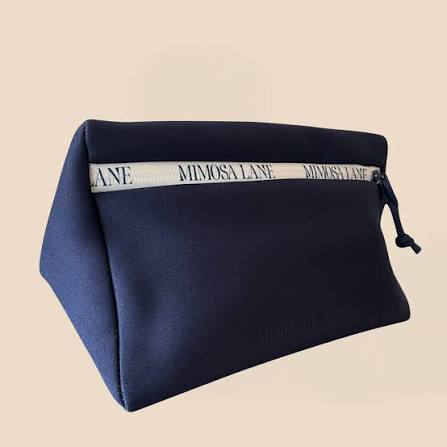
Among the available options, neoprene has gained attention for its soft structure and practical performance. A Neoprene Cosmetic Bag offers a different combination of material properties compared with conventional makeup bags, making it useful to understand how these products differ before selecting one.
What Are Neoprene Cosmetic Bags?
Neoprene cosmetic bags are storage accessories manufactured using synthetic rubber material. Neoprene is known for its flexibility, cushioning, and resistance to moisture, making it suitable for products that require a combination of protection and portability.
These bags are commonly designed to hold makeup products, skincare essentials, brushes, and personal care accessories. Their flexible construction allows them to fit comfortably inside handbags, backpacks, and travel luggage.
Depending on the design, they may include zippered compartments, interior pockets, decorative patterns, and different storage capacities.
What Are Traditional Makeup Bags?
Traditional makeup bags are available in various materials, including polyester, nylon, cotton, leather, and PVC. Their construction and performance depend largely on the material selected and the quality of manufacturing.
Some traditional designs feature structured compartments, while others use simple pouch-style construction. They are available in a wide range of sizes, styles, and price categories.
Because traditional makeup bags include several different materials, their characteristics can vary considerably. A nylon pouch, for example, may offer different benefits from a leather cosmetic case.
Key Differences Between Neoprene and Traditional Makeup Bags
Understanding the differences between these options can help consumers choose a bag that matches their storage habits and lifestyle.
1. Material and Construction
The most noticeable difference is the material used in manufacturing.
Neoprene has a soft, flexible, rubber-like structure that provides cushioning and allows the bag to adapt slightly to its contents.
Traditional makeup bags may use woven fabrics, coated materials, or rigid structures. Polyester and nylon are commonly selected for their lightweight construction, while leather is often chosen for its distinctive appearance and structured feel.
The appropriate material depends on whether flexibility, structure, appearance, or affordability is the main priority.
2. Flexibility and Portability
Neoprene bags are generally flexible, making them convenient for carrying inside larger bags or suitcases. Their soft construction allows them to accommodate products of different shapes without requiring a rigid outer shell.
Traditional fabric makeup bags can also be lightweight and portable. However, leather cases and rigid cosmetic organizers may take up more fixed storage space.
For people who frequently move between home, work, and other locations, flexible construction can be a useful advantage.
3. Cushioning and Product Protection
Cosmetic products often include delicate containers, glass bottles, compact mirrors, and small accessories that may be damaged through repeated impacts.
Neoprene provides a degree of cushioning that can help reduce the effects of minor bumps and everyday handling.
Traditional makeup bags offer different levels of protection depending on their construction. Thin fabric pouches may provide limited cushioning, while padded or hard-shell cases can offer more substantial protection.
Neither material automatically guarantees complete protection against breakage, so fragile products may require additional packaging.
4. Moisture Resistance
Moisture resistance is another important factor when comparing cosmetic storage materials.
Neoprene naturally resists moisture, making it useful in environments where occasional splashes or damp surfaces are common.
Traditional makeup bags vary significantly in this area. Some polyester and nylon designs include water-resistant coatings, while untreated cotton or other absorbent fabrics may retain moisture more easily.
PVC bags can also provide a moisture-resistant outer surface, although their flexibility and overall construction differ from neoprene.
It is important to remember that a water-resistant material does not necessarily make the entire bag waterproof. Zippers and seams may still allow moisture to enter.
5. Durability and Everyday Use
Durability depends on material quality, stitching, zipper construction, and frequency of use.
Neoprene can withstand regular handling while maintaining its flexible structure. Its suitability for everyday use makes it a practical option for people who carry cosmetics frequently.
Traditional makeup bags can also be highly durable. High-quality nylon, reinforced polyester, and properly maintained leather products can provide long-term performance.
When comparing durability, consumers should examine the entire product rather than judging it only by its outer material.
6. Cleaning and Maintenance
Cosmetic bags can accumulate makeup powder, foundation stains, and product residue over time. Easy maintenance is therefore an important consideration.
Neoprene can generally be cleaned using a soft cloth and mild soap, depending on the manufacturer’s instructions.
Traditional materials require different cleaning methods:
- Polyester: Often suitable for gentle spot cleaning.
- Nylon: Generally easy to wipe or clean according to care instructions.
- Cotton: May absorb stains and require more careful washing.
- Leather: Usually requires specialized cleaning and conditioning products.
- PVC: Often easy to wipe clean with a damp cloth.
The best choice depends on how frequently the bag is used and how much maintenance the owner is willing to perform.
7. Design and Appearance
Both neoprene and traditional makeup bags are available in different styles, but their material characteristics influence their appearance.
Neoprene designs often feature soft surfaces, flexible shapes, and modern patterns. They can be produced in different colors and thicknesses to suit various preferences.
Traditional makeup bags offer a broader range of textures and finishes, particularly when comparing fabric, leather, and coated materials.
Consumers who prioritize a structured or formal appearance may prefer certain traditional designs, while those who value a soft and casual style may find neoprene more suitable.
Neoprene vs. Traditional Makeup Bags: Comparison Table
The following table summarizes the general differences between these storage options.
| Comparison Factor | Neoprene Cosmetic Bags | Traditional Makeup Bags |
|---|---|---|
| Material | Synthetic rubber | Polyester, nylon, cotton, leather, PVC, and others |
| Flexibility | Generally flexible | Depends on material and design |
| Cushioning | Naturally provides some cushioning | Varies by construction |
| Moisture resistance | Naturally moisture-resistant | Depends on material and coatings |
| Weight | Generally lightweight | Varies by material |
| Cleaning | Usually suitable for gentle cleaning | Depends on material |
| Design | Soft, flexible, and modern styles | Wide variety of structures and finishes |
| Storage | Suitable for flexible everyday storage | Available in flexible and structured designs |
Which Type of Makeup Bag Is Better for Different Needs?
There is no single option that works best for every consumer. The right choice depends on individual requirements and intended use.
For Everyday Makeup Storage
Neoprene bags are a practical choice for people who want lightweight storage with some cushioning. They can hold frequently used products while fitting conveniently into larger handbags.
Traditional fabric pouches are also suitable for everyday use, particularly when simple and affordable storage is the main priority.
For Frequent Travelers
Travelers may benefit from neoprene’s flexible structure and moisture-resistant properties. These features make it convenient for organizing personal care products inside luggage.
However, those carrying numerous fragile cosmetics may prefer a structured traditional case with reinforced compartments.
For Professional Makeup Artists
Professional makeup artists often need larger storage solutions with organized compartments for brushes, palettes, bottles, and tools.
A traditional structured organizer may be more suitable for extensive collections, although larger neoprene designs can also provide convenient storage depending on their internal layout.
For Low-Maintenance Storage
People who prefer simple cleaning may appreciate neoprene and certain traditional materials, such as coated nylon or PVC.
The specific product’s construction and cleaning instructions should always be considered before purchasing.
Factors to Consider Before Making a Choice
Before selecting either type of makeup bag, consider the following factors:
- Storage capacity: Make sure the bag accommodates your regular makeup and skincare products.
- Material quality: Check the thickness, finish, and overall construction.
- Protection requirements: Consider whether your products need additional cushioning or a structured case.
- Portability: Choose a suitable size and weight for your daily routine.
- Interior organization: Look for compartments that make products easier to access.
- Maintenance: Consider how easily the material can be cleaned.
- Budget: Compare overall quality and expected service life rather than focusing only on the initial price.
These considerations can help narrow down the available choices and prevent purchasing a bag that does not meet your actual requirements.
Conclusion
Neoprene cosmetic bags and traditional makeup bags each offer useful features for organizing beauty essentials. Neoprene stands out for its flexibility, cushioning, lightweight construction, and natural resistance to moisture. Traditional makeup bags provide greater variety in materials, structures, textures, and designs.
The better option ultimately depends on how the bag will be used. Neoprene can be a practical choice for everyday portability and flexible storage, while traditional designs may be more suitable for users who prefer rigid structures, specialized finishes, or specific material characteristics.
By comparing storage capacity, durability, cleaning requirements, and product protection, consumers can select a makeup bag that fits their daily routines and personal preferences.