Pet owners are increasingly interested in convenient food options that offer recognizable ingredients, appealing flavors, and practical storage. Freeze-dried pet food has gained attention because it uses a specialized preservation process to remove moisture while helping retain many of the original ingredients’ characteristics. It is available in several formats, including complete meals, single-protein recipes, treats, and food toppers.
Understanding how this technology works can help pet owners make informed feeding decisions and help businesses evaluate opportunities in the growing specialty pet food market. When exploring Fd Pet Food, it is useful to consider the manufacturing process, nutritional formulation, food safety, and proper feeding practices rather than focusing on processing technology alone.
What Is FD Pet Food?
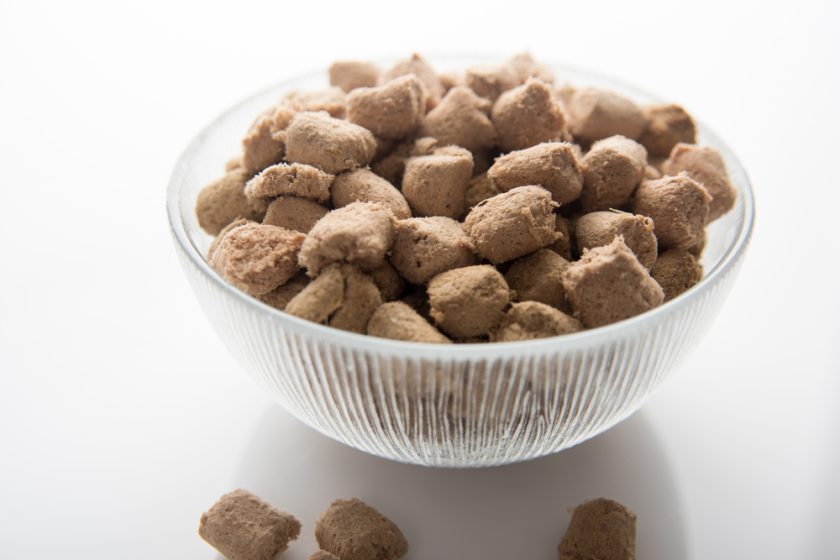
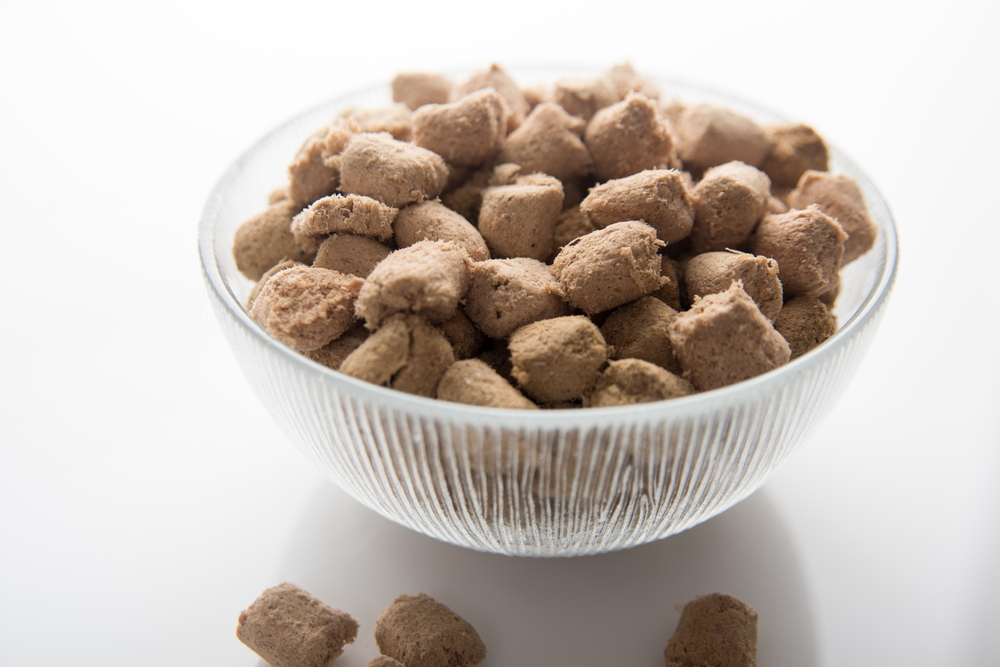
FD pet food refers to freeze-dried pet food. It is produced using a preservation method that removes most of the water from ingredients after they have been frozen.
Unlike conventional hot-air drying, freeze-drying uses low temperatures and reduced pressure. The frozen water changes directly into vapor through a process called sublimation. This creates a lightweight, dry product that can retain much of the original ingredients’ structure, flavor, and nutritional components.
Freeze-dried pet food is available in different forms, such as:
- Complete and balanced dog food
- Complete and balanced cat food
- Single-ingredient meat treats
- Freeze-dried organ meat
- Protein-rich meal toppers
- Mixed meat, fruit, and vegetable recipes
The nutritional purpose of each product depends on its formulation. A treat or topper is not automatically suitable as a complete daily diet.
How Freeze-Drying Technology Works
Freeze-drying involves several controlled stages. Each stage helps produce a stable product with low moisture content.
1. Ingredient Selection and Preparation
The process begins with selecting suitable raw ingredients. Depending on the recipe, these may include muscle meat, organs, vegetables, fruits, and other nutritional components.
Ingredients are inspected, cleaned, and prepared according to product specifications. Meat may be cut into smaller pieces to support consistent freezing and drying.
Ingredient quality is important because preservation technology cannot compensate for poor raw materials or inadequate handling.
2. Freezing
Prepared ingredients are frozen to a sufficiently low temperature. This converts their water content into ice and prepares the product for moisture removal.
Uniform freezing can help improve consistency during the subsequent drying stages.
3. Primary Drying
The frozen ingredients are placed in a vacuum chamber. Under reduced pressure, ice changes directly into water vapor through sublimation.
This stage removes a substantial proportion of the product’s moisture without first melting the ice into liquid water.
4. Secondary Drying
After primary drying, some moisture may remain attached to the ingredients. Secondary drying helps remove additional moisture to achieve the desired finished-product specifications.
The final moisture content and water activity are important factors in product stability and storage.
5. Packaging
Once drying is complete, the product is packaged in materials designed to protect it from moisture and environmental exposure.
Suitable packaging is especially important because freeze-dried ingredients can absorb moisture from the surrounding air. Effective sealing helps maintain product quality during storage and distribution.
Benefits of Freeze-Drying for Pet Food
Freeze-drying offers several practical advantages for pet food manufacturers and consumers.
Helps Preserve Ingredient Characteristics
The low-temperature process can help retain the original appearance, flavor, and many naturally occurring nutrients in food ingredients.
However, nutrient retention is not identical for every ingredient. It depends on the raw material, processing conditions, and storage environment.
Lightweight and Convenient
Removing most of the water significantly reduces product weight. This can make freeze-dried pet food easier to transport, store, portion, and carry during travel.
For pet owners who prefer convenient feeding options, lightweight packaging can be a practical advantage.
Concentrated Flavor and Aroma
Freeze-dried meat and organ ingredients often retain a recognizable aroma and flavor. These characteristics can make them appealing to dogs and cats.
The strong aroma of certain animal proteins may also make freeze-dried pieces useful as training rewards or meal toppers.
Flexible Product Formats
The technology supports different ingredient sizes and formulations. Manufacturers can produce individual meat pieces, powders, mixed recipes, and complete meal products.
This flexibility allows brands to develop products for different feeding preferences and retail markets.
Convenient Storage
Unopened freeze-dried products can generally be stored without refrigeration when processed and packaged appropriately. This makes them useful for households and businesses that need shelf-stable pet food options.
Storage conditions and shelf life still depend on the manufacturer’s specifications.
Nutritional Considerations in FD Pet Food
Freeze-drying is a preservation method, not a nutritional formulation system. The quality of a pet food product depends on the ingredients selected and how they are combined to meet the animal’s dietary requirements.
Protein Sources
Meat, poultry, fish, and organ ingredients can provide animal-based protein and essential amino acids.
Common ingredients include:
- Chicken
- Beef
- Turkey
- Salmon
- White fish
- Beef liver
- Chicken heart
Different protein sources have different nutrient profiles. Manufacturers should evaluate the finished recipe rather than assume that one ingredient alone provides complete nutrition.
Fats and Essential Fatty Acids
Dietary fats provide energy and supply essential fatty acids. Animal fats and selected fish ingredients can contribute to a recipe’s fat content.
The amount and type of fat should be appropriate for the intended species and life stage. Excessive or insufficient fat can affect the nutritional suitability of the finished product.
Vitamins and Minerals
Pet food formulations need appropriate levels of vitamins and minerals to support normal body functions.
Ingredients such as liver, fish, and selected plant materials naturally contribute some micronutrients. However, ingredient contributions vary, and manufacturers may need to use additional nutritional sources to achieve the required balance.
Fiber and Other Ingredients
Some freeze-dried recipes include vegetables, fruits, or other ingredients that contribute fiber and additional nutrients.
Their suitability depends on the formulation, digestibility, and nutritional needs of the animal. Ingredient variety alone does not guarantee dietary completeness.
Complete Meals, Treats, and Meal Toppers: Understanding the Difference
Not all freeze-dried pet food products serve the same purpose. Reading the product label helps owners understand how each item should be used.
Complete and Balanced Freeze-Dried Food
These products are formulated to provide the nutrients required for a particular species and life stage when fed according to their directions.
Before purchasing, check whether the product carries an appropriate nutritional adequacy statement or meets the relevant standards in its target market.
Freeze-Dried Treats
Treats are designed for occasional rewards rather than as the main source of daily nutrition. Single-ingredient meat and organ treats are common examples.
Treats should generally account for no more than 10% of a pet’s daily calorie intake, with the remainder coming from a nutritionally complete diet.
Freeze-Dried Meal Toppers
Toppers are added in small quantities to regular food to provide additional flavor or variety. They are not necessarily nutritionally complete and should not replace the animal’s main diet unless specifically formulated for that purpose.
Food Safety: An Important Consideration
Freeze-dried pet food is often associated with raw-inspired feeding because many products contain animal ingredients that have undergone relatively low-temperature processing.
However, freeze-drying should not be confused with sterilization. Removing moisture can limit the growth of many microorganisms during storage, but it does not necessarily kill harmful bacteria or eliminate pathogens.
Responsible manufacturers should maintain appropriate controls throughout production, including:
- Approved raw material suppliers
- Hygienic handling and sanitation procedures
- Validated food-safety processes
- Suitable microbiological testing
- Batch identification and traceability
- Protective packaging and storage controls
Pet owners should follow preparation and handling instructions carefully. If a product requires rehydration, use the method and water guidance provided by the manufacturer. Wash hands and clean bowls and utensils after handling pet food, particularly products containing animal ingredients.
How to Choose Quality FD Pet Food
The range of freeze-dried products can make purchasing decisions challenging. A few key checks can help pet owners identify products that match their needs.
1. Review the Ingredient List
Look for clearly identified ingredients rather than relying only on front-of-package marketing claims. Check the named protein sources, organ ingredients, and any added components.
For pets with known food sensitivities, review the full ingredient list and consider possible cross-contact during manufacturing.
2. Check Nutritional Adequacy
Determine whether the product is labeled as a complete and balanced food or as a treat or supplemental product.
For everyday feeding, choose a complete food appropriate for the pet’s species and life stage. Consult a veterinarian if the animal has specific dietary needs.
3. Evaluate Manufacturer Transparency
Reliable brands should provide clear product information, feeding directions, storage guidance, and contact details.
For commercial buyers, supplier documentation may also include ingredient specifications, processing information, traceability records, and relevant quality-testing results.
4. Inspect Packaging
Choose products with intact, properly sealed packaging. Moisture-resistant materials help protect freeze-dried food from humidity and support product stability.
Avoid packages that appear damaged, punctured, or improperly sealed.
5. Consider the Pet’s Preferences
Some pets prefer certain protein sources or textures. If introducing a new product, start gradually and monitor the animal’s response.
A gradual transition is especially useful when changing the main diet, as it allows time to observe appetite and digestive tolerance.
Storage and Feeding Guidelines
Proper storage helps preserve the quality of freeze-dried pet food after purchase.
- Keep unopened packages in a cool, dry place.
- Follow the manufacturer’s recommended storage conditions.
- Protect products from direct sunlight and excessive heat.
- Reseal opened packages securely after use.
- Use clean, dry utensils when handling the food.
- Observe the stated shelf life and any instructions for use after opening.
Some products are intended to be served dry, while others are designed to be rehydrated. Follow the package directions rather than assuming all freeze-dried foods should be prepared in the same way.
Once rehydrated, food should be handled like other moist pet food. Serve it promptly and refrigerate or discard leftovers according to the manufacturer’s instructions.
Commercial Applications of Freeze-Dried Pet Food
Freeze-drying has created opportunities for manufacturers, retailers, and private-label businesses seeking specialized pet food products.
Common commercial applications include:
Premium pet food: Complete recipes made with meat, organs, and other selected ingredients.
Single-ingredient treats: Products made from chicken, beef, fish, or organ meat for simple ingredient positioning.
Functional-style toppers: Supplemental products designed to add flavor and ingredient variety without making unsupported health claims.
Training rewards: Small, lightweight pieces that are convenient to portion during training.
Private-label products: Custom recipes and packaging formats developed for retail brands and distributors.
For businesses, important purchasing factors include supplier capacity, raw material traceability, consistent specifications, packaging options, food-safety documentation, and delivery reliability.
Common Misconceptions About FD Pet Food
Understanding the limitations of freeze-drying is just as important as recognizing its advantages.
- Freeze-dried means sterile: Not necessarily. Moisture removal does not guarantee pathogen elimination.
- Every freeze-dried product is complete food: Many products are treats or toppers and are not designed to provide complete daily nutrition.
- All nutrients remain unchanged: Processing and storage can affect some nutrients, and retention varies by ingredient.
- No preparation is ever required: Some products are served dry, while others require rehydration.
- More meat automatically means better nutrition: A suitable diet requires balanced nutrient levels, not simply a high proportion of one ingredient.
Checking labels and understanding product purpose can help prevent these common misunderstandings.
Conclusion
FD pet food combines specialized preservation technology with a wide range of animal-based and other ingredients to create lightweight, convenient products. Freeze-drying can help preserve many ingredient characteristics, support practical storage, and provide flexibility for treats, toppers, and complete meal formulations.
Nevertheless, the technology alone does not determine nutritional quality or food safety. Ingredient selection, balanced formulation, validated safety controls, protective packaging, and responsible feeding practices are all essential. By evaluating these factors carefully, pet owners and businesses can make better-informed decisions when selecting freeze-dried products for dogs and cats.