Dinosaur statues are eye-catching additions to commercial environments, offering businesses an effective way to create memorable displays and themed spaces. From shopping centers and entertainment venues to museums, hotels, restaurants, and amusement parks, these prehistoric figures can attract attention, strengthen a visual theme, and encourage visitors to explore their surroundings. Their impact depends on more than their appearance alone: size, material, design, and placement all influence how well a statue serves its intended purpose.
Choosing the right display requires a balance between visual appeal, practical requirements, and long-term durability. A well-selected Dino Statue can become a recognizable focal point, support a business’s branding, and provide visitors with an engaging photo opportunity. Understanding the available options helps commercial buyers make decisions that suit their space, audience, and budget.
Why Dino Statues Are Popular for Commercial Displays
Dinosaur-themed displays have broad appeal because they combine recognizable prehistoric creatures with a sense of discovery and imagination. Their distinctive shapes and impressive appearance make them suitable for both family-oriented attractions and creative commercial environments.
Businesses use dinosaur statues for several reasons:
- Visual attraction: Large or detailed statues can catch visitors’ attention from a distance.
- Themed decoration: Dinosaur figures help establish prehistoric, adventure, or educational environments.
- Photo opportunities: Distinctive sculptures can encourage visitors to take photographs and share their experiences.
- Brand differentiation: A custom dinosaur display can give a commercial space a recognizable identity.
- Educational value: Museums and family attractions can use dinosaur figures to introduce prehistoric subjects.
- Long-term decoration: Durable statues can remain part of a venue’s visual environment for years with appropriate care.
The most effective choice depends on the business’s goals and the experience it wants to create.
Choosing the Right Size for a Commercial Dino Statue
Size is one of the first decisions to make when planning a dinosaur display. The statue should be large enough to make an impression without obstructing movement, creating safety concerns, or overwhelming the surrounding environment.
Small Dino Statues for Indoor Displays
Smaller statues work well in reception areas, retail spaces, themed restaurants, exhibition counters, and indoor decorative installations.
They can add personality to a space without requiring extensive floor area. Smaller figures are also easier to position and may be more practical when a display needs to be moved or rearranged.
Common uses include:
- Retail window decorations
- Reception and entrance displays
- Restaurant interiors
- Museum display sections
- Themed product areas
- Children’s activity spaces
Medium-Sized Statues for Visitor Areas
Medium-sized dinosaur statues offer a balance between visibility and space efficiency. They can serve as decorative focal points in shopping centers, hotel lobbies, event halls, and entertainment venues.
Their size makes them noticeable without necessarily requiring a large installation area. They are particularly useful when a business wants to create a dedicated themed section or photograph-friendly location.
Large Dino Statues for Outdoor Attractions
Large dinosaur statues are suitable for amusement parks, outdoor exhibitions, attraction entrances, gardens, and spacious commercial properties.
Their scale can make them visible from a considerable distance and help establish a strong visual identity. However, large installations require more planning.
Before choosing an oversized statue, consider:
- Available installation space
- Ground conditions and foundation requirements
- Transport and installation access
- Wind exposure and environmental conditions
- Visitor circulation and safety distances
- Local building and installation requirements
The largest statue is not automatically the best choice. Its dimensions should match the environment and the intended visitor experience.
Comparing Materials for Commercial Dinosaur Statues
Material selection affects a statue’s weight, surface appearance, durability, maintenance needs, and suitability for indoor or outdoor use.
Fiberglass
Fiberglass is a popular option for decorative sculptures because it can be molded into detailed shapes and finished with a wide range of colors and textures.
Its advantages include:
- Relatively lightweight construction compared with many solid alternatives
- Flexibility in sculptural design
- Detailed surface finishing
- Suitability for various decorative applications
- A range of paint and coating options
Fiberglass statues can be used indoors and outdoors when the materials and protective finishes are appropriate for the installation environment.
Metal
Metal statues offer a different appearance and can provide substantial structural strength. They may be suitable for contemporary commercial environments, outdoor installations, and large decorative sculptures.
The specific metal and protective treatment should be selected according to the design and exposure conditions. Outdoor metal displays may require coatings or other measures to help prevent corrosion.
Resin
Resin can be used to produce detailed decorative figures, especially smaller and medium-sized sculptures. It supports intricate shapes and smooth surface finishes, making it suitable for indoor displays and selected outdoor applications.
Buyers should confirm the resin formulation and its resistance to sunlight, temperature changes, and physical wear before selecting it for an exposed location.
Foam-Based Sculptures
Foam-based construction can be useful for lightweight decorative installations, themed events, and temporary displays. It allows designers to create large shapes without necessarily using heavy materials throughout the structure.
However, foam sculptures may require protective coatings or reinforced construction depending on their intended environment and expected handling.
Material Comparison
| Material | Main advantages | Important considerations |
|---|---|---|
| Fiberglass | Detailed shapes, versatile finishes, relatively low weight | Check coating quality and outdoor suitability |
| Metal | Structural strength and distinctive appearance | Consider weight and corrosion protection |
| Resin | Fine details and smooth finishes | Confirm weather and impact resistance |
| Foam-based materials | Lightweight and adaptable for large shapes | May need reinforcement and protective finishes |
The best material depends on the statue’s dimensions, location, design complexity, and expected service life.
Selecting a Dinosaur Design That Matches Your Business
The dinosaur species and overall artistic style should reflect the atmosphere of the commercial space. A carefully chosen design can make the display feel connected to its surroundings rather than appearing like an unrelated decoration.
Popular Dinosaur Species
Different dinosaur types create different visual impressions.
Tyrannosaurus rex: Recognized for its large head, powerful appearance, and distinctive teeth, this dinosaur is often chosen for dramatic entrance displays and adventure-themed environments.
Triceratops: Its three facial horns and large frill make it recognizable and visually distinctive. It can suit family attractions, educational displays, and themed gardens.
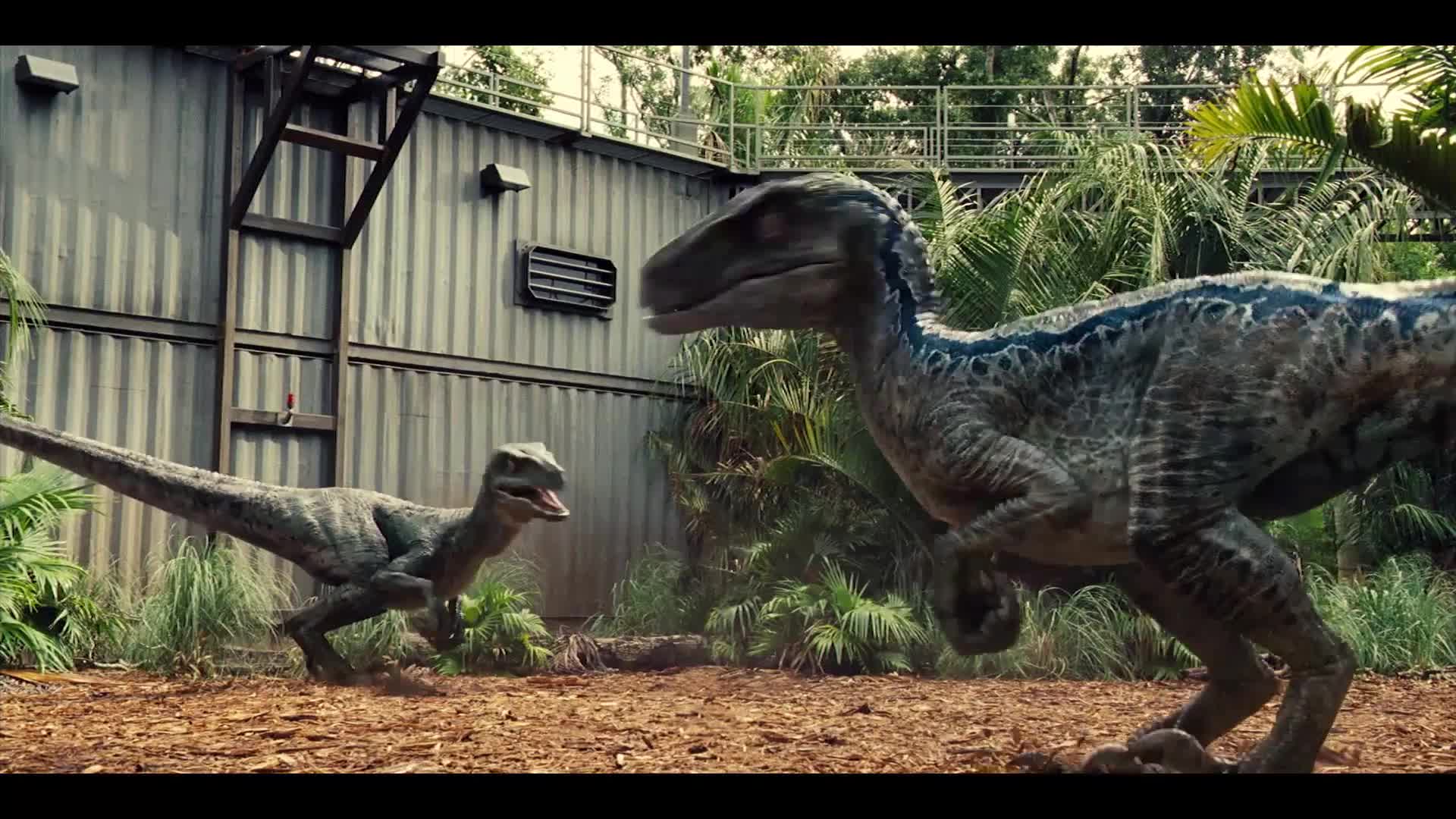
Velociraptor-inspired designs: These figures often feature an alert posture, long tail, and sharp-looking claws. They work well in action-oriented or prehistoric adventure settings.
Brachiosaurus: Its long neck and large body make it suitable for tall installations and spacious outdoor displays.
Stegosaurus: Its back plates and spiked tail create a recognizable silhouette that can add variety to a dinosaur-themed collection.
When choosing a species, consider the available space and whether the statue should appear friendly, dramatic, educational, or adventurous.
Realistic Versus Cartoon-Style Designs
The artistic style also influences how visitors respond to a display.
Realistic dinosaur statues feature detailed anatomy, textured skin, carefully sculpted facial features, and naturalistic coloring. They are often suitable for museums, educational attractions, and immersive themed environments.
Cartoon-style designs use exaggerated proportions, brighter colors, and friendly expressions. They may be more appropriate for children’s entertainment areas, family restaurants, retail spaces, and playful promotional displays.
A business should choose a style that fits its audience and overall visual identity.
Custom Dino Statues for Unique Commercial Spaces
Standard designs can work well for many applications, but custom statues offer more control over the final appearance.
A customized dinosaur can be developed around a particular location, theme, or branding concept. This may involve changes to the species, posture, dimensions, colors, textures, or decorative details.
Custom design considerations include:
- Pose: Standing, walking, roaring, sitting, or interacting with another figure.
- Expression: Friendly, curious, fierce, or neutral.
- Color scheme: Naturalistic tones or colors that complement a commercial brand.
- Surface details: Scales, wrinkles, claws, teeth, and other anatomical features.
- Dimensions: Adjustments to fit a specific entrance, garden, lobby, or exhibition area.
- Display theme: Coordination with signs, landscaping, lighting, and surrounding decorations.
A custom design can help a business create a more distinctive attraction, particularly when the statue is intended to become a permanent landmark or signature photo location.
Where to Install Dino Statues in Commercial Environments
Placement is just as important as the statue itself. Even a beautifully made sculpture may have limited impact if visitors cannot see it clearly or if it interferes with normal movement.
Shopping Centers and Retail Stores
Shopping centers can use dinosaur statues near entrances, central walkways, promotional areas, and family activity zones.
A well-positioned figure can attract attention, support seasonal campaigns, and create a photo opportunity. Retail stores may also use smaller dinosaur sculptures in themed window displays.
Theme Parks and Entertainment Venues
Theme parks can incorporate dinosaur statues into prehistoric landscapes, attraction entrances, themed pathways, and outdoor visitor areas.
Multiple sculptures can be arranged to create a consistent environment, with different species and poses helping build a sense of variety.
Museums and Educational Institutions
Museums may use dinosaur statues as part of educational exhibitions or outdoor displays. The design can help visitors visualize the size and appearance of prehistoric animals.
For educational installations, informative signage can provide context about the species and distinguish scientific evidence from artistic interpretation.
Hotels and Restaurants
Hotels and restaurants can use dinosaur sculptures to create memorable themed interiors or outdoor decorative areas.
A smaller figure may suit a lobby or reception area, while a larger installation could become a feature in a garden, family dining section, or themed outdoor space.
Outdoor Commercial Properties
Large statues can help make business entrances, recreational areas, and visitor attractions more recognizable.
Outdoor placement requires careful consideration of ground stability, weather exposure, drainage, and visitor access.
Important Factors When Planning Installation
A commercial dinosaur statue should be evaluated as a complete installation rather than simply as a decorative object.
Space and Accessibility
Measure the available area before confirming the statue’s dimensions. Consider its full footprint, including any extended tail, horns, or other protruding features.
Ensure that visitors, staff, and maintenance personnel can move around it safely.
Foundation and Stability
Large statues may require a prepared foundation or suitable anchoring system. The installation method should account for the statue’s weight, shape, and environmental exposure.
For outdoor displays, wind loading and ground conditions should be assessed by qualified professionals where appropriate.
Transportation and Assembly
Large sculptures may need to be transported in sections. Before purchasing, confirm the delivery dimensions, access routes, unloading arrangements, and any assembly requirements.
This is especially important for shopping centers, indoor exhibition halls, and properties with restricted entrances.
Lighting and Surrounding Decoration
Lighting can highlight a statue’s textures and shape, particularly in evening displays or indoor themed environments.
Landscaping, decorative rocks, signs, and complementary figures can also help integrate the statue into its surroundings. The surrounding design should enhance the sculpture without making the area feel overcrowded.
Safety and Visitor Flow
Public displays should not obstruct emergency exits, accessible pathways, or normal visitor circulation.
Sharp edges, unstable structures, exposed support components, and accessible hazards should be addressed during planning and installation.
Maintenance Tips for Long-Lasting Commercial Displays
Regular maintenance helps preserve the appearance and structural condition of a dinosaur statue.
Useful practices include:
- Clean the surface: Remove dust, dirt, and debris using cleaning methods suitable for the statue’s material.
- Inspect paint and coatings: Look for fading, peeling, cracks, or signs of weather damage.
- Check structural connections: Examine mounting points, joints, and supports for movement or deterioration.
- Monitor outdoor exposure: Inspect for damage caused by sunlight, rain, moisture, or temperature changes.
- Repair small problems early: Address minor surface damage before it develops into a larger issue.
- Follow material-specific care instructions: Use suitable cleaning products and protective treatments.
- Schedule professional inspections: Larger installations may benefit from periodic assessment by qualified technicians.
A clear maintenance plan is particularly important for statues installed in high-traffic public environments.
How to Choose the Right Dino Statue for Your Budget
Commercial buyers should consider the total project cost rather than focusing only on the initial purchase price.
The overall budget may include:
- Statue manufacturing
- Custom sculpting and finishing
- Material selection
- Packaging and transportation
- Unloading and installation
- Foundation or anchoring work
- Lighting and surrounding decoration
- Ongoing maintenance
A smaller, high-quality statue may offer better value for a compact retail space than a large sculpture that requires expensive installation work. Similarly, a major outdoor attraction may justify investing in a larger and more durable design.
Requesting clear specifications, material information, dimensions, and installation requirements can help buyers compare options more accurately.
Conclusion
Dino statues can transform commercial spaces by adding visual interest, creating themed environments, and giving visitors memorable places to explore and photograph. Choosing the right display involves evaluating its size, construction material, dinosaur species, artistic style, and intended installation location.
Fiberglass, metal, resin, and foam-based materials each offer different advantages, while custom sculpting allows businesses to develop distinctive designs that reflect their identity. By considering structural stability, transportation, visitor safety, and long-term maintenance from the beginning, commercial buyers can select a dinosaur statue that delivers lasting visual value and supports a more engaging visitor experience.