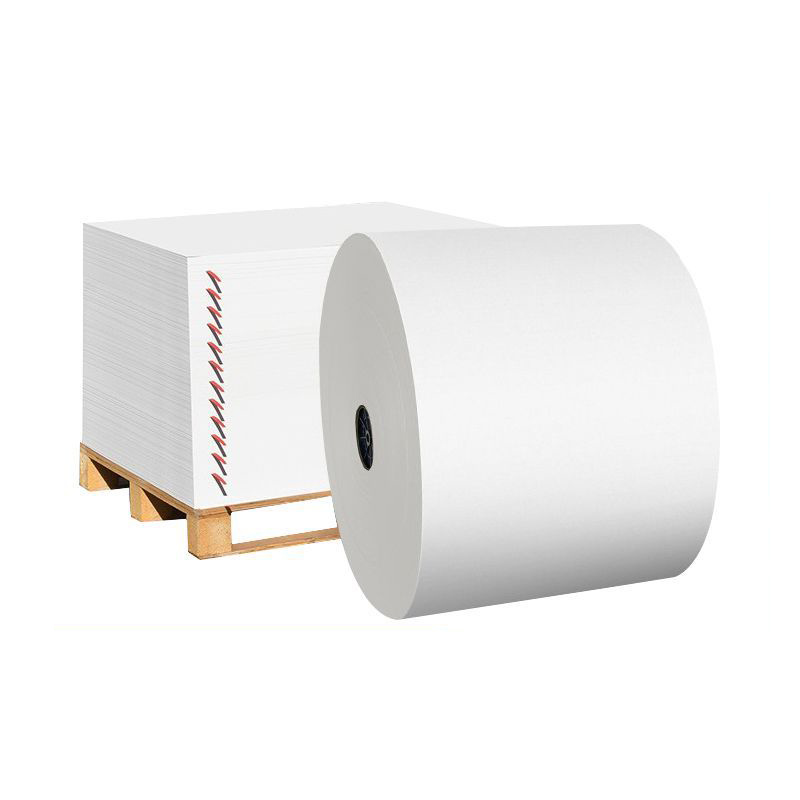
When people evaluate disposable paper cups, they usually focus on the printed exterior, cup size, or material used for the sidewall. However, the bottom component plays an equally important role in the finished product. It helps close the container, supports its contents, and must form a dependable connection with the cup body. Cup bottom paper roll is therefore an essential material for manufacturers producing disposable cups in different sizes.
For businesses sourcing Cup Bottom Paper Roll, selecting the right specification requires attention to more than paper weight. Coating characteristics, roll dimensions, cutting accuracy, and compatibility with cup-forming machinery all influence production performance. A carefully selected roll can help maintain consistent bottom discs and reduce avoidable manufacturing problems.
Understanding the Function of Bottom Paper
The bottom of a paper cup is generally made from a separate paper component. This component is cut into discs or another specified shape before being inserted into the cup body. During forming, the bottom is positioned and sealed to create a container suitable for its intended application.
The component must meet several requirements simultaneously. It needs to maintain its shape during handling, fit the cup’s dimensions, and work with the sealing process. It must also be suitable for the beverage or food application for which the finished cup is intended.
A material that performs well in one cup design may not automatically be suitable for another. Cup diameter, construction, paper grade, and machinery settings all affect material selection.
Important Characteristics of Cup Bottom Paper Roll
A supplier’s specification should identify the principal characteristics of the material.
Paper grammage: Grammage describes the weight of paper per square metre. It contributes to the amount of material used in each bottom disc and is an important purchasing specification.
Thickness: Thickness affects the physical structure of the material. It should be considered separately from grammage because different paper grades can have different thickness values at similar weights.
Stiffness: The bottom disc should be sufficiently stable for feeding, positioning, and sealing. Its required stiffness depends on the cup dimensions and manufacturing process.
Coating: A barrier layer is commonly used in paper cup construction to help limit liquid penetration. Polyethylene is one established coating option. The coating arrangement and weight should match the intended application.
Surface consistency: Uniform material helps support predictable cutting and sealing. Visible irregularities or inconsistent coating can create difficulties during production.
Why Roll Specifications Matter
Bottom paper is often supplied in rolls so that manufacturers can feed it directly into cutting equipment. The physical dimensions of the roll must therefore match the machinery.
Roll width determines whether the material fits the cutting arrangement. Outer diameter affects how much material can be loaded onto the equipment, while core size must match the mounting system. Winding quality is also important because an unevenly wound roll may create feeding or alignment difficulties.
Before placing an order, manufacturers should provide the supplier with the machine requirements and the dimensions of the bottom discs. This helps avoid purchasing material that meets the paper specification but cannot be used efficiently on the production line.
The Relationship Between Coating and Sealing
The coating on bottom paper is particularly important because the disc must connect securely with the cup wall. The selected material needs to be compatible with the sealing method and operating conditions of the cup-forming machine.
Polyethylene-coated paper is commonly used in this context, but not every coating specification behaves identically. Coating weight, surface condition, paper structure, and sealing temperature can influence the result.
Manufacturers should conduct trials using their actual equipment. Observe whether the bottom disc attaches evenly and whether the finished cup maintains its intended shape. Leakage tests under realistic conditions can help identify weaknesses that may not be visible during a basic visual inspection.
Common Problems Caused by Incorrect Material Selection
A poorly matched bottom paper roll can create several production challenges.
- Incorrect roll width may require adjustments or prevent efficient machine loading.
- Inconsistent thickness can affect feeding and disc formation.
- Poor cutting characteristics may result in irregular bottom pieces.
- Unsuitable coating can interfere with sealing performance.
- Material damage or moisture exposure may affect consistency.
These problems can increase scrap rates, slow production, and require additional machine adjustments. Establishing clear specifications before purchasing can help reduce such risks.
How to Evaluate a Supplier
A suitable supplier should provide technical details rather than relying on general product descriptions. Request information about grammage, thickness, coating type, coating weight, roll width, diameter, and core size.
Ask for samples and test them on the production line. Compare the sample with the material currently in use, paying attention to cutting behavior, feeding, sealing, and finished-cup performance.
For food and beverage packaging, request applicable food-contact declarations and supporting documentation. Confirm that the documents cover the actual material construction and intended conditions of use.
It is also sensible to discuss minimum order quantities, lead times, packaging protection, and procedures for managing material that does not meet the agreed specification.
Storage and Inventory Control
Keep rolls in clean, dry storage and protect them from moisture, dust, and physical damage. Avoid unnecessary exposure during handling and follow the supplier’s storage recommendations.
Manufacturers should also maintain batch records and approved reference samples. These records help compare incoming deliveries and identify changes in material performance over time.
Supporting Better Cup Manufacturing
Cup bottom paper roll may be less visible than the printed sidewall, but its contribution to finished-cup performance is substantial. The right choice depends on the paper grade, coating, roll dimensions, and production equipment.
Clear specifications, supplier verification, and practical machine trials help manufacturers select a dependable material. With consistent purchasing and quality checks, businesses can support efficient production and more reliable disposable cups.