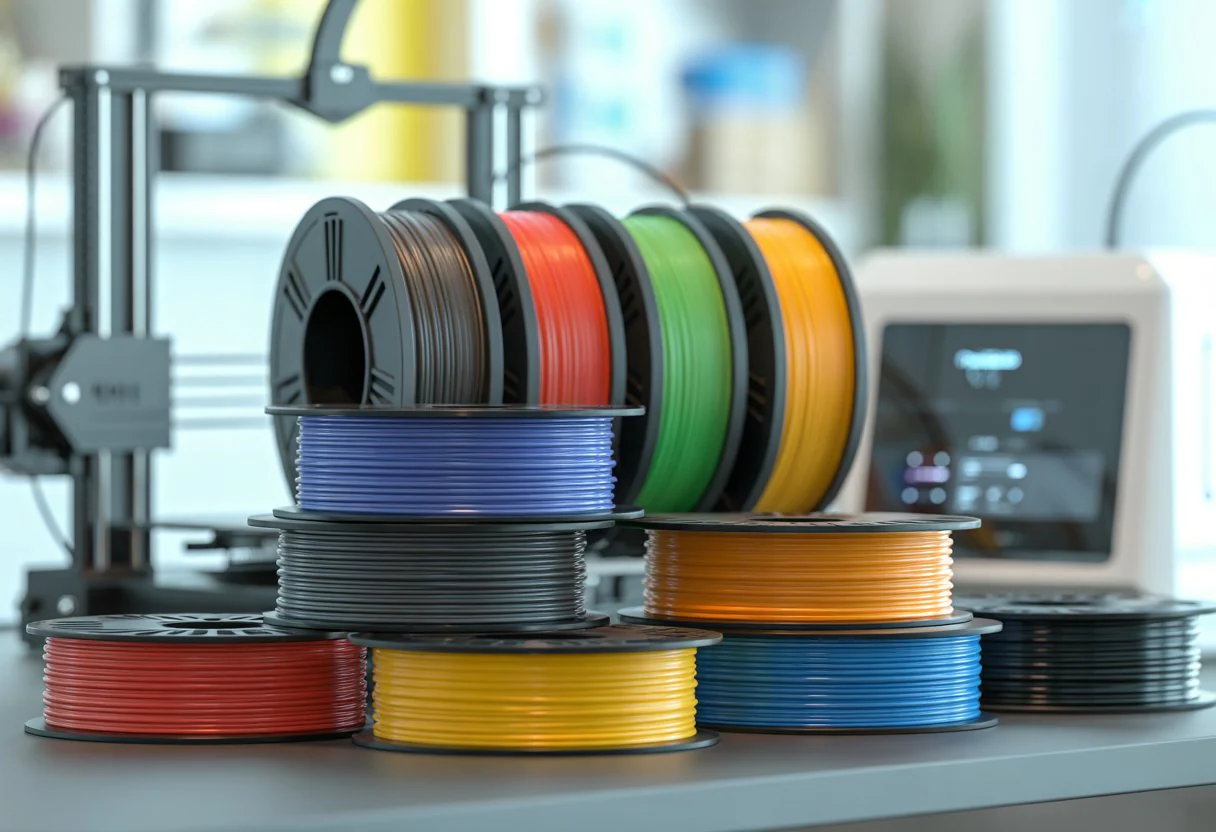
PETG is widely recognized as a durable and versatile thermoplastic used in 3D printing and industrial applications. Its balanced properties make it a strong candidate for projects that demand reliability under varying conditions. From moderate heat exposure to mechanical stress and outdoor environments, PETG offers consistent performance without the complexities of more advanced materials.
One of the reasons PETG is so popular is its ability to maintain structural integrity in real-world scenarios. It combines strength, flexibility, and resistance to environmental factors, making it suitable for both indoor and outdoor use. Understanding how it behaves under different conditions helps in selecting the right material for specific applications.
Performance Under Heat
PETG offers moderate heat resistance, placing it between PLA and ABS in terms of thermal performance. While it is not designed for extreme high-temperature environments, it performs well in everyday functional applications.
Heat Resistance Capabilities
PETG typically softens at temperatures above 70–80°C. This means it can withstand warm environments without deforming but may lose shape if exposed to excessive heat for extended periods.
- Suitable for indoor functional parts
- Performs well in mildly warm conditions
- Better heat resistance than PLA
- Less heat-tolerant than ABS
This makes PETG a good choice for items like enclosures, containers, and mechanical parts that are not exposed to direct high heat.
Thermal Stability in Use
PETG maintains its shape and strength under moderate thermal stress. It does not warp easily during printing or under typical usage conditions, which adds to its reliability in practical applications.
Impact Resistance and Mechanical Strength
One of PETG’s strongest advantages is its excellent impact resistance. Unlike brittle materials, it can absorb force without cracking or breaking.
Durability Under Stress
PETG combines rigidity with slight flexibility, allowing it to handle mechanical stress effectively. This makes it ideal for parts that experience repeated movement or sudden impacts.
- High resistance to cracking
- Strong layer adhesion in 3D printing
- Suitable for load-bearing components
- Maintains integrity under repeated use
This durability is especially useful for functional prototypes, protective covers, and mechanical components.
Flexibility Advantage
PETG’s slight flexibility helps distribute stress across the material rather than concentrating it in one area. This reduces the likelihood of sudden failure and increases the lifespan of printed parts.
Performance in Environmental Conditions
PETG performs well in a variety of environmental conditions, making it suitable for outdoor and industrial applications.
Moisture Resistance
PETG has low moisture absorption, which allows it to maintain its strength and shape even in humid or wet environments.
- Ideal for outdoor use
- Resistant to water exposure
- Maintains performance in humid conditions
This property makes it a reliable choice for containers, outdoor fixtures, and protective enclosures.
UV and Weather Resistance
While PETG is not completely UV-proof, it offers better resistance to sunlight compared to some other common materials like PLA. It can withstand outdoor exposure for extended periods without rapid degradation.
Chemical Resistance
PETG is resistant to a wide range of chemicals, including acids and cleaning agents. This makes it suitable for industrial and laboratory environments.
- Resistant to mild acids and alkalis
- Suitable for chemical containers
- Maintains structure when exposed to cleaning solutions
Its chemical stability adds to its versatility across industries.
Comparison With Other Materials
When evaluating PETG’s performance under these conditions, it is helpful to compare it with other popular materials:
- PLA: Lower heat resistance and more brittle under impact
- ABS: Higher heat resistance but more difficult to print
- PETG: Balanced performance with good durability and ease of use
This balance makes PETG a practical option for users who need reliable performance without complex printing requirements.
Limitations to Consider
Despite its strong performance, PETG does have some limitations:
- Not suitable for high-temperature industrial applications
- Can soften under prolonged heat exposure
- Surface may scratch more easily than ABS
- Slight flexibility may not suit rigid designs
Understanding these limitations ensures better material selection and improved results.
Conclusion
PETG delivers reliable performance under heat, impact, and environmental conditions, making it a versatile material for a wide range of applications. Its ability to resist moisture, absorb impact, and handle moderate temperatures makes it ideal for both functional and outdoor use.
For users seeking a material that offers durability without the challenges of more complex plastics, PETG remains a dependable and efficient choice.