

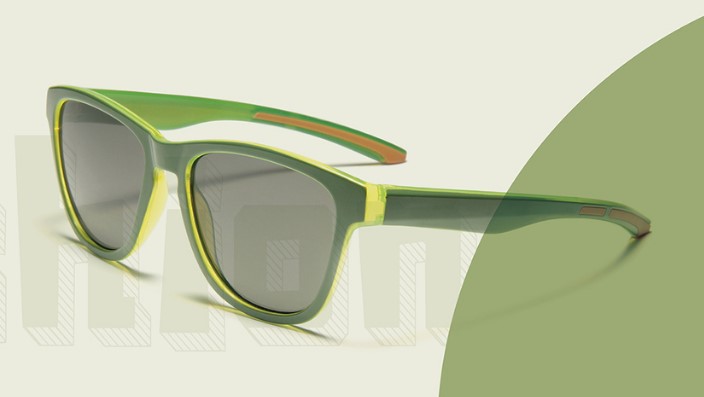
Launching a private-label or custom sunglasses collection requires more than budgeting for the price of each pair. Brands may also need to account for design development, samples, tooling, branding, packaging, production, and shipping.
The total investment depends on the product specifications, order volume, and level of customization. A custom sunglasses manufacturer may offer different pricing depending on materials, frame construction, lens requirements, branding options, and production quantities.
What Determines the Cost of Custom Sunglasses?
There is no single price that applies to every custom sunglasses project. Two brands may request similar products but receive different quotations because their specifications and order quantities differ.
The main cost factors usually include:
- Frame material and construction
- Lens specifications
- Custom mold or tooling requirements
- Order quantity
- Branding and decoration
- Packaging
- Sample development
- Quality requirements
- Shipping and logistics
Understanding these factors makes it easier to evaluate a quotation and plan an appropriate budget.
Custom Sunglasses Production Costs
The largest part of the budget usually comes from manufacturing the sunglasses themselves. The unit cost depends on the design and materials selected for the collection.
Simple designs with standard components may require less investment than highly customized frames with specialized materials, unique shapes, or additional finishing details.
Production volume also matters. Larger orders may offer better per-unit economics because certain setup and production expenses get distributed across more products.
How Order Quantity Affects Pricing
Quantity often has a significant effect on the cost per pair. A manufacturer may need to perform similar setup work for a small order and a much larger order.
For example, tooling, production preparation, and certain setup tasks may create relatively fixed costs. Ordering more units allows those costs to spread across a larger number of products.
However, placing a large order only makes sense when the brand has enough demand and storage capacity to justify the investment.
Sample Development Expenses
Before approving a bulk order, brands typically need samples. Sample development helps confirm whether the design matches the intended specifications.
Depending on the project, sample costs may involve design adjustments, prototype production, specialized components, or other development work.
Ask the manufacturer whether sample charges receive a credit toward a future bulk order. Policies differ between suppliers, so confirming this detail before starting development can help avoid surprises.
Tooling and Mold Costs
A completely new frame design may require custom tooling or molds. This expense can increase the initial cost of a project, particularly for brands developing an original frame shape.
Standard or existing production designs may require less initial investment than completely new concepts.
Ask for a separate breakdown of tooling costs in the quotation. Keeping these expenses separate from the unit price makes it easier to understand your actual startup investment.
Branding and Logo Costs
Adding your brand identity can create additional production costs. The final price depends on factors such as the branding method, number of locations, artwork requirements, and production quantity.
Common customized elements may include logos on the temples, frame fronts, lenses, cases, or packaging.
Brands should provide accurate artwork and placement instructions early in the process. Clear specifications help manufacturers calculate the requirements more accurately.
Packaging Costs
Packaging can represent another part of the overall budget. A basic product package may cost less than a fully customized presentation that includes branded cases, boxes, cleaning cloths, inserts, and labels.
Think about packaging as part of the complete product rather than an afterthought. The right packaging protects the sunglasses while supporting the visual identity of the collection.
Shipping and Logistics
The factory quotation may not represent your final landed cost. Shipping, customs duties, taxes, insurance, and other logistics expenses can add to the total amount you spend.
The final cost depends heavily on the destination, shipping method, order size, and applicable import requirements.
Before placing an order, ask the manufacturer what the quoted price includes. This helps you distinguish the factory cost from the complete cost of getting inventory to your warehouse.
Does Customization Always Make Sunglasses More Expensive?
Customization often adds expenses, but not every customization has the same impact.
Changing a color or adding a simple logo may require less investment than creating a completely new frame mold. Similarly, using standard components can reduce development requirements compared with highly specialized parts.
The key question should not simply be whether customization costs more. Instead, consider which custom features provide meaningful value for your target customers.
How to Compare Manufacturer Quotations
When comparing suppliers, avoid choosing a manufacturer solely because it offers the lowest unit price.
Create a comparison that includes the complete project cost. Review factors such as:
- Unit manufacturing price
- Minimum order quantity
- Sample charges
- Tooling expenses
- Branding costs
- Packaging costs
- Production lead time
- Quality control
- Shipping terms
- Payment requirements
This approach gives you a clearer understanding of the actual value offered by each supplier.
How to Keep Your Initial Investment Under Control
New eyewear brands do not always need to start with the most complicated product possible. A carefully planned first collection can help control expenses while allowing the brand to test customer demand.
Consider starting with a manageable number of designs and selecting customization options that support your brand identity without adding unnecessary production complexity.
You can also discuss order quantities and development options with the manufacturer before finalizing your collection.
Is a Lower Unit Price Always Better?
A low unit price may look attractive, but it does not automatically represent the best deal. Poor quality, inconsistent production, limited communication, or unexpected additional costs can reduce the value of a cheaper quotation.
A better approach involves evaluating the total cost alongside manufacturing capabilities and service reliability.
Eugenia Eyewear can serve as one option for brands researching custom eyewear manufacturing. Comparing its offerings with other potential suppliers can help businesses determine which partnership aligns with their product requirements and budget.
What Should Your Manufacturing Budget Include?
Before placing an order, create a complete project budget rather than focusing only on the factory price.
Your calculation should account for:
- Product development
- Samples
- Tooling
- Sunglasses production
- Branding
- Packaging
- Inspection
- Freight
- Duties and taxes where applicable
- Local delivery or warehousing
This broader view gives you a more realistic picture of the investment required to bring the collection to market.
Questions to Ask About Pricing
A detailed conversation with the manufacturer can prevent misunderstandings later. Ask questions such as:
- What does the quoted unit price include?
- Does the MOQ change the unit cost?
- Are samples charged separately?
- Will tooling require an additional payment?
- What branding costs apply?
- What packaging options are available?
- What shipping terms does the quotation use?
- Are there additional production or inspection charges?
Written answers help you compare different suppliers on consistent terms.
Plan for the Total Cost, Not Just the Factory Price
The cost of working with a custom sunglasses manufacturer depends on far more than the price printed next to each pair. Design complexity, materials, quantity, tooling, branding, packaging, and logistics can all influence the final investment.
Start with a clear product specification and request a detailed quotation. Compare the complete cost structure instead of focusing on one figure.
With careful planning, brands can choose customization options that support their identity, control unnecessary expenses, and create a sunglasses collection that fits both their market and budget.


