Energy consumption and operational cost are critical considerations in modern industrial processing. In sectors such as coatings, pharmaceuticals, chemicals, and advanced materials, manufacturers continuously seek technologies that deliver high performance while minimizing energy use and production expenses.
A modern bead mill machine is widely recognized for its ability to achieve efficient particle size reduction with relatively low energy consumption compared to many traditional grinding systems. Its performance depends on how effectively energy is converted into grinding action and how efficiently the system is operated.
Understanding Energy Efficiency in Bead Milling
Energy efficiency in bead milling refers to how effectively electrical energy is converted into mechanical grinding energy. The goal is to maximize particle size reduction while minimizing wasted energy, such as heat loss or unnecessary mechanical friction.
Because bead mills use high-speed rotation and dense grinding media, they are capable of generating intense localized energy zones. These zones allow for efficient particle breakage in a relatively short processing time.
How Energy is Utilized in the Grinding Process
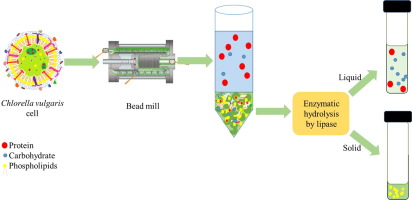
In a bead mill, energy is transferred from the motor to a rotating shaft, which then accelerates the grinding beads inside the chamber. The movement of these beads creates impact, shear, and friction forces that break down particles.
Key energy transfer stages include:
- Motor energy conversion into rotational motion
- Acceleration of grinding media inside the chamber
- Direct impact between beads and particles
- Continuous circulation for repeated grinding
Efficient energy transfer ensures better particle size reduction with less power consumption.
Factors Affecting Energy Efficiency
Grinding Media Selection
The type and size of grinding media significantly influence energy efficiency. Smaller beads can increase surface contact and improve grinding efficiency, while improper selection can lead to energy loss.
Rotor Speed Optimization
Rotor speed plays a major role in determining energy input. Higher speeds increase grinding intensity but also raise energy consumption and heat generation. Finding the optimal speed balance is essential for efficiency.
Material Properties
Material viscosity, hardness, and initial particle size affect how much energy is required for effective grinding. Harder materials require more energy input, while softer materials grind more easily.
Residence Time
The time material spends in the grinding chamber affects energy usage. Longer residence times can improve fineness but may also increase energy consumption if not properly optimized.
Cost Performance Analysis of Bead Milling
Cost performance in bead milling is determined by balancing operational costs with output quality and productivity. While initial equipment investment may be significant, long-term operational efficiency often results in lower overall costs.
Energy Consumption Costs
One of the main operational expenses is electricity usage. Efficient bead mills reduce energy waste by optimizing grinding conditions, which helps lower production costs over time.
Maintenance and Wear Costs
Grinding media and internal components experience wear during operation. Regular replacement and maintenance are necessary but can be minimized through proper operation.
Cost-related considerations include:
- Frequency of bead replacement
- Wear rate of rotor and chamber components
- Lubrication and maintenance requirements
- Downtime costs due to repairs
Production Efficiency Impact
Higher efficiency directly improves production output, reducing cost per unit of material processed. Faster processing times also increase overall plant productivity.
Comparison with Traditional Grinding Systems
Compared to conventional grinding equipment such as ball mills or sand mills, bead mills generally offer better energy efficiency and cost performance in fine grinding applications.
Key advantages include:
- Lower energy consumption per unit output
- Faster processing cycles
- Improved particle size uniformity
- Reduced material waste
These advantages make bead milling more cost-effective in modern industrial environments.
Operational Strategies for Cost Optimization
To maximize cost performance, manufacturers often implement process optimization strategies.
Process Parameter Optimization
Adjusting rotor speed, bead size, and feed rate helps achieve efficient grinding with minimal energy waste.
Preventive Maintenance
Regular maintenance reduces unexpected downtime and extends equipment life, improving long-term cost efficiency.
Cooling System Efficiency
Proper temperature control prevents energy loss due to overheating and maintains stable grinding conditions.
Automation and Monitoring
Modern control systems help optimize energy usage by maintaining consistent operating conditions and reducing manual errors.
Industrial Applications and Economic Benefits
Bead milling is widely used in industries where both precision and cost efficiency are essential.
Typical applications include:
- Paints and coatings for consistent finish quality
- Pharmaceuticals for stable formulations
- Ink production for color uniformity
- Battery materials for energy efficiency improvement
- Chemical processing for fine dispersion
In these applications, improved energy efficiency directly contributes to reduced production costs and higher product quality.
Conclusion
Energy efficiency and cost performance are key advantages of modern bead milling technology. By optimizing grinding conditions, selecting appropriate materials, and maintaining stable operation, manufacturers can significantly reduce energy consumption while improving output quality.
A well-optimized bead milling process not only enhances productivity but also lowers long-term operational costs. As industries continue to demand higher efficiency and sustainability, bead milling remains a valuable solution for cost-effective particle size reduction.