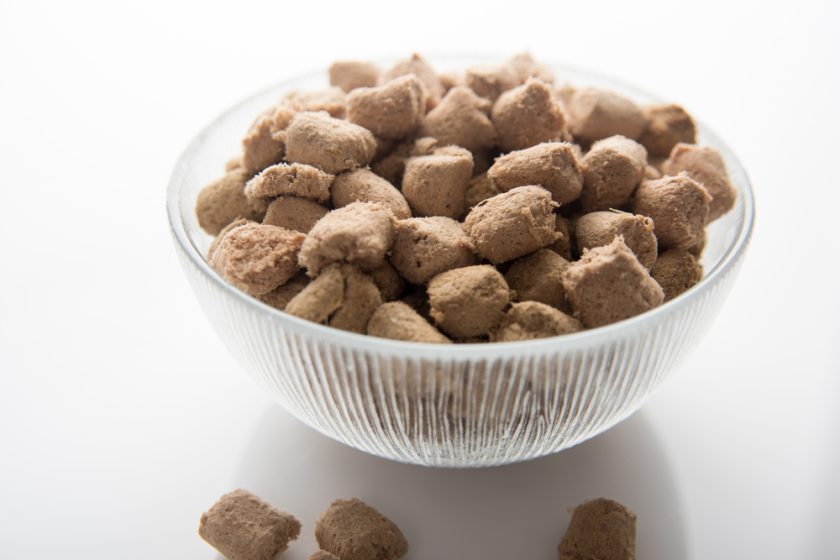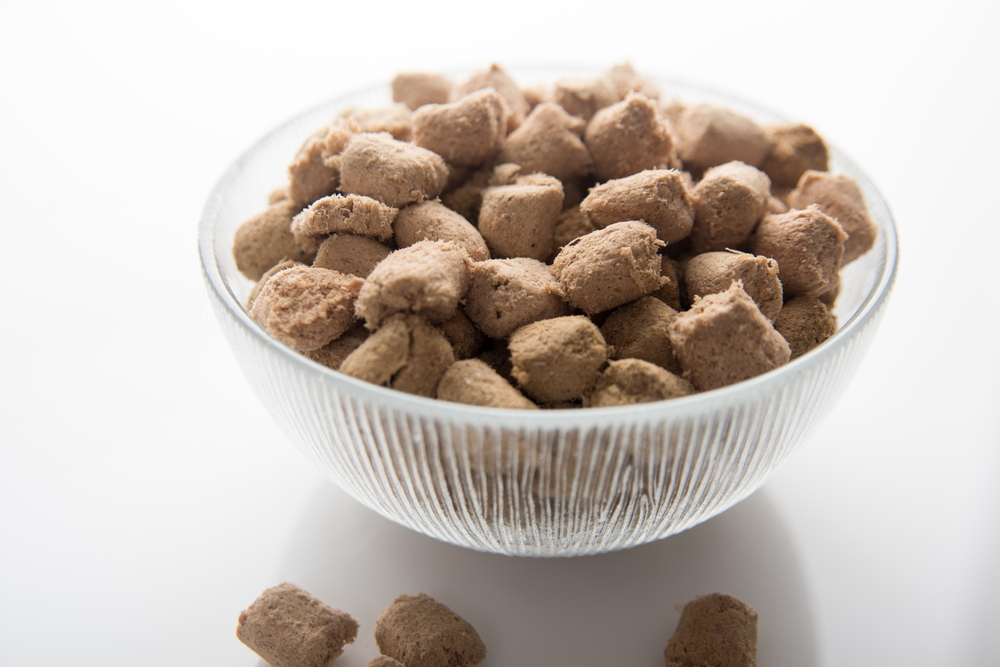
Cat owners are increasingly interested in pet treats made with recognizable ingredients, convenient formats, and clear nutritional information. As premium pet food products continue to diversify, freeze-dried treats have become an appealing option for brands looking to offer different protein sources and flavors. Their lightweight texture, concentrated ingredients, and convenient storage characteristics make them suitable for everyday rewards, training snacks, and occasional additions to a cat’s regular feeding routine.
The growing demand for Freeze Dried Cat Treats reflects broader interest in minimally processed-looking pet products and animal-based ingredients. Freeze-drying removes most of the moisture from frozen food through sublimation under reduced pressure. This process can help preserve many characteristics of the original ingredients, including flavor, texture, and selected nutrients. However, product quality depends on raw material sourcing, food safety controls, processing conditions, nutritional composition, and packaging.
What Are Freeze-Dried Cat Treats?
Freeze-dried cat treats are snacks made by removing moisture from frozen ingredients under vacuum conditions. During primary drying, ice changes directly into water vapor without passing through a liquid stage. A secondary drying stage may then remove additional moisture to achieve the required product specifications.
Common ingredients include meat, poultry, fish, and selected animal organs. Some products contain only one animal ingredient, while others combine several ingredients to create different flavors and textures.
Popular product formats include:
- Small meat or fish cubes.
- Freeze-dried chicken or turkey pieces.
- Salmon and other fish bites.
- Beef or chicken liver treats.
- Mixed-protein snacks.
- Crumbled treats for food toppers.
- Powdered ingredients for customized formulations.
These formats allow manufacturers to serve different consumer preferences and develop products for various retail categories.
Popular Ingredients Used in Freeze-Dried Cat Treats
Ingredient selection plays an important role in the nutritional profile, flavor, texture, and market positioning of cat treats. Because cats are obligate carnivores, animal-derived ingredients are especially relevant to feline nutrition.
1. Chicken
Chicken is widely used in cat treats because it provides animal protein and has a familiar flavor profile. It can be processed into small cubes, strips, or bite-sized pieces.
Chicken treats are suitable for product lines targeting consumers who prefer recognizable poultry ingredients. Manufacturers should maintain consistent raw material specifications and appropriate poultry safety controls.
2. Salmon
Salmon is valued for its protein and naturally occurring omega-3 fatty acids, including EPA and DHA. These fatty acids have important roles in normal physiological functions.
Salmon also provides a distinctive seafood flavor that can help brands diversify their treat ranges. Its fat content requires attention to oxidation control and protective packaging.
3. Beef Liver
Beef liver is a nutrient-dense ingredient containing protein, vitamin A, iron, copper, and several B vitamins.
Its concentrated nutrient composition makes it suitable for small, occasional treats. However, liver should not be fed excessively because high intake can contribute to excessive vitamin A consumption.
4. Chicken Liver
Chicken liver provides animal protein and naturally occurring vitamins and minerals. Its strong flavor can make it an appealing ingredient in specialty cat snacks.
As with other organ meats, portion control is important. Manufacturers should evaluate the finished treat’s nutrient composition and provide appropriate feeding guidance.
5. Turkey
Turkey offers another poultry option for manufacturers developing alternative flavors. It supplies animal protein and can be processed into small pieces for training rewards or everyday treats.
Ingredient sourcing and handling should be managed carefully to maintain consistent product quality.
6. Duck
Duck provides a distinctive flavor and another option for premium treat formulations. It can be used in single-ingredient snacks or combined with other animal ingredients.
Although some owners seek alternative proteins for pets with dietary sensitivities, duck is not automatically hypoallergenic. Cats with suspected food allergies require veterinary guidance and an appropriate dietary assessment.
7. White Fish
Fish such as cod can be used to create light, seafood-flavored treats. Cod is generally a lean white fish, so its fat and omega-3 profile differs from that of oily fish such as salmon.
Fish ingredients should be sourced and handled under suitable seafood safety controls.
Nutritional Characteristics of Freeze-Dried Cat Treats
The nutritional value of a freeze-dried treat depends on its ingredients and formulation. Removing moisture concentrates the remaining components by weight, so the nutrient percentages may appear higher than those of the original fresh ingredients.
Animal Protein
Meat, poultry, and fish provide protein containing essential amino acids. Cats require dietary protein for muscle maintenance, tissue repair, enzyme production, and other biological functions.
Protein-rich treats can supplement a cat’s diet, but they do not automatically provide the complete nutrient balance needed for everyday meals.
Fat and Energy
Animal ingredients contain different amounts of fat. Fat provides concentrated energy and contributes to flavor and texture.
The calorie density of freeze-dried treats can be relatively high because most of the original water has been removed. Feeding portions should therefore be based on calorie content rather than visual size alone.
Naturally Occurring Vitamins and Minerals
Depending on the ingredient, freeze-dried treats may contain nutrients such as B vitamins, iron, zinc, selenium, and vitamin A.
Organ meats can contain particularly concentrated amounts of certain vitamins and minerals. Manufacturers should verify nutrient levels and avoid unsupported claims about the finished product.
Omega-3 Fatty Acids
Fish-based treats, especially those made with oily fish, can supply naturally occurring omega-3 fatty acids.
The amount varies by fish species, tissue composition, and processing. Specific claims about EPA and DHA should be supported by finished-product testing.
Moisture Reduction
Freeze-drying removes most of the water from the original ingredients. This creates a dry, lightweight product that can be convenient to portion and store.
Low moisture does not mean a product is sterile or free from harmful microorganisms. Appropriate food safety measures are still necessary.
How Freeze-Dried Cat Treats Are Manufactured
A reliable manufacturing process requires control over raw materials, freezing, drying, inspection, and packaging.
Step 1: Ingredient Sourcing
Manufacturers select suitable meat, poultry, fish, or organ ingredients from approved suppliers.
Important considerations include:
- Species and ingredient identity.
- Freshness and condition.
- Supplier approval.
- Traceability and batch records.
- Temperature-controlled transportation.
- Relevant food safety documentation.
Consistent sourcing helps reduce raw material variation between production batches.
Step 2: Inspection and Preparation
Incoming ingredients are inspected against product specifications. Depending on the recipe, preparation may involve trimming, deboning, cleaning, and cutting into uniform pieces.
Consistent piece dimensions help improve freezing and drying performance.
Step 3: Freezing
Prepared ingredients are frozen before entering the freeze-drying chamber. Freezing converts much of the ingredient’s water into ice.
The freezing rate and product thickness can influence the structure of the finished treat.
Step 4: Primary Drying
The frozen ingredients are placed in a vacuum chamber. Reduced pressure allows ice to undergo sublimation, changing directly from a solid into water vapor.
This stage removes a substantial amount of moisture while limiting high-temperature exposure during much of the drying process.
Step 5: Secondary Drying
Secondary drying removes additional moisture remaining in the product. Manufacturers monitor the process to achieve the required residual moisture and water activity.
These measurements help establish suitable product stability and storage specifications.
Step 6: Sorting and Inspection
Finished treats are checked for size, appearance, texture, and other quality requirements. Depending on the product, testing may include nutritional composition, moisture, water activity, and microbiological analysis.
Step 7: Packaging
Freeze-dried treats are packed in protective materials that help prevent moisture absorption and reduce exposure to oxygen.
Packaging is particularly important for fish-based and fatty meat products, which may be vulnerable to oxidation during storage.
Important Quality Factors When Choosing Freeze-Dried Cat Treats
Not all freeze-dried treats offer the same quality. Pet owners, retailers, and wholesale buyers should assess several factors before selecting a product.
Ingredient Transparency
The ingredient list should clearly identify the animal ingredients used. Single-ingredient products can make ingredient identification straightforward, while multi-ingredient products should provide clear information about each component.
Manufacturers should avoid vague ingredient descriptions that make it difficult for buyers to understand what the product contains.
Raw Material Quality
The quality of the finished treat begins with the raw material. Freshness, supplier controls, handling conditions, and traceability all influence the suitability of meat, poultry, and fish ingredients.
Commercial buyers should request information about sourcing and ingredient specifications.
Nutritional Consistency
Products should have consistent protein, fat, moisture, and calorie characteristics across batches.
Manufacturers should use appropriate laboratory analysis to verify nutritional information and support any claims made on product labels.
Microbiological Safety
Freeze-drying is a dehydration process, not a guaranteed pathogen-kill step. Harmful microorganisms may survive in low-moisture foods.
Manufacturers should identify relevant hazards and implement validated control measures. For raw animal ingredients, this may include a validated pathogen-reduction step where required, hygienic processing, prevention of recontamination, and appropriate microbiological verification.
Texture and Appearance
A well-made product should have a consistent appearance and texture appropriate to its specifications. Excessive crumbling, unusual discoloration, or signs of moisture exposure may indicate quality problems.
Packaging Quality
Packaging should protect the product against humidity, oxygen, and contamination. Resealable formats can help consumers maintain product quality after opening.
Clear Feeding Instructions
Treat packaging should provide practical serving guidance. This is particularly important because freeze-dried snacks can be calorie-dense relative to their size.
Benefits of Freeze-Dried Treats for Cat Owners
Freeze-dried treats offer several practical features that appeal to pet owners.
Convenient Portioning
Small cubes and pieces can be offered as occasional rewards. Their dry structure makes them easy to handle without the mess associated with some moist treats.
Variety of Animal Proteins
Brands can offer chicken, beef, duck, salmon, and other ingredients to provide different flavors and product options.
Variety can help owners select treats that suit their cat’s preferences, provided the chosen ingredients are appropriate for the animal.
Lightweight Storage and Transport
Removing most of the moisture reduces product weight. This can make freeze-dried treats convenient for storage, travel, and retail distribution.
Flexible Feeding Applications
Some products can be offered as individual snacks, while others can be crumbled over regular food to add texture and flavor.
Meal toppers should be used according to their label instructions and should not replace complete and balanced food unless specifically formulated for that purpose.
Recognizable Ingredients
Many consumers prefer products with clearly named animal ingredients. Transparent labeling can help build trust and make product comparisons easier.
Feeding Freeze-Dried Treats Responsibly
Even high-quality treats should be offered in moderation. A widely used guideline is that treats and other non-complete foods should generally account for no more than 10% of a cat’s daily calorie intake.
Practical feeding considerations include:
- Check the calorie information where available.
- Follow the manufacturer’s serving recommendations.
- Introduce new ingredients gradually.
- Monitor for digestive changes or signs of intolerance.
- Account for treats when planning daily food portions.
- Provide access to fresh drinking water.
- Seek veterinary advice if your cat has a medical condition or suspected food allergy.
Liver-based treats deserve particular attention because excessive intake can contribute to too much vitamin A.
If a freeze-dried product is intended to be rehydrated, follow the manufacturer’s instructions. Once rehydrated, animal-based treats should be treated as perishable and handled accordingly.
Market Trends in Freeze-Dried Cat Treats
The cat treat category continues to evolve as consumers pay more attention to ingredient information, convenience, and product differentiation.
Growing Interest in Simple Ingredient Lists
Many consumers look for products with recognizable ingredients and straightforward labeling. Single-protein and limited-ingredient treats can appeal to buyers who want to understand exactly what they are feeding their cats.
However, limited-ingredient labeling does not automatically make a product suitable for cats with allergies.
Premiumization
Premium pet products often emphasize ingredient quality, processing methods, specialized recipes, and distinctive packaging.
Freeze-dried treats fit into this category because manufacturers can offer different animal proteins and formats within a premium product range.
Demand for Protein Variety
Chicken and beef remain familiar ingredients, but salmon, duck, turkey, and other proteins allow brands to expand their product selections.
Offering multiple flavors can help retailers serve different consumer preferences.
Interest in Functional Positioning
Some brands position treats around specific nutritional characteristics, such as protein content or naturally occurring omega-3 fatty acids.
Such claims should be accurate, relevant, and supported by suitable product analysis. Treats should not be presented as treatments for medical conditions.
E-Commerce and Direct-to-Consumer Sales
Online retail makes it easier for specialist pet brands to introduce niche treat products and reach customers beyond traditional retail locations.
Clear product descriptions, ingredient lists, feeding instructions, and packaging information are especially important when consumers cannot inspect products in person.
Private-Label Product Development
Retailers and emerging pet brands may work with contract manufacturers to introduce freeze-dried cat treats under their own labels.
Private-label development can include customized protein selections, piece sizes, packaging formats, and product specifications.
Commercial Opportunities for Manufacturers and Wholesale Buyers
Freeze-dried cat treats offer several opportunities across the pet food supply chain.
Single-Ingredient Product Lines
Manufacturers can develop products based on one clearly identified animal ingredient, such as chicken, salmon, or beef liver.
These products can offer straightforward ingredient positioning and support focused product ranges.
Mixed-Protein Treats
Combining different animal ingredients can create distinctive flavors and textures. Manufacturers should ensure that the resulting product has clear labeling and consistent nutritional specifications.
Bulk Ingredient Supply
Bulk purchasing can help treat manufacturers secure regular supplies of freeze-dried meat, poultry, and fish ingredients.
Buyers should evaluate minimum order quantities, packaging, production capacity, batch consistency, and documentation before establishing supply agreements.
Retail-Ready Packaging
Small resealable packages are useful for retail distribution, while larger formats may suit professional buyers and manufacturers.
Packaging design should balance product protection, consumer convenience, labeling requirements, and cost.
Export and International Distribution
Freeze-dried treats may offer opportunities in international pet food markets. Exporters should check destination-market requirements for animal-derived ingredients, manufacturing approval, documentation, labeling, and import eligibility.
Challenges in Freeze-Dried Cat Treat Manufacturing
Despite its advantages, freeze-dried treat production presents several operational challenges.
Equipment Investment
Industrial freeze-drying systems require specialized chambers, vacuum pumps, condensers, and process monitoring equipment. Initial investment can be substantial.
Energy Consumption
Freezing and drying require energy, which affects manufacturing costs and overall production efficiency.
Processing Time
Freeze-drying can take longer than some conventional drying methods. Product thickness, ingredient composition, loading density, and equipment capacity influence cycle time.
Raw Material Variability
Meat, poultry, and fish ingredients naturally vary in moisture, fat, and protein content. These differences can affect drying behavior and finished-product consistency.
Food Safety Management
Low-moisture products can still contain surviving pathogens. Manufacturers must implement suitable preventive controls and validate any required pathogen-reduction process.
Shelf-Life Management
Moisture absorption and fat oxidation can affect product quality during storage. Appropriate packaging, stability testing, and storage instructions are necessary to support reliable shelf-life claims.
Frequently Asked Questions
Are freeze-dried cat treats healthy?
They can be suitable as occasional treats when made from appropriate ingredients and fed in moderation. Their nutritional value depends on the recipe, processing, and serving size. They should not replace a complete and balanced cat food.
What ingredients are commonly used in freeze-dried cat treats?
Popular ingredients include chicken, turkey, beef, beef liver, chicken liver, duck, salmon, and other fish. Each ingredient offers a different flavor and nutritional profile.
Are single-ingredient freeze-dried treats better?
Single-ingredient treats can make it easier to identify what a cat is eating. However, they are not automatically safer or nutritionally superior. Raw material quality, processing controls, and suitability for the individual cat remain important.
Do freeze-dried cat treats need refrigeration?
Unopened products generally do not require refrigeration when they have been properly processed, packaged, and labeled for ambient storage. Always follow the manufacturer’s storage instructions.
Does freeze-drying kill bacteria?
No. Freeze-drying removes moisture but does not necessarily destroy harmful microorganisms. Manufacturers need appropriate food safety controls, and consumers should follow the product’s handling instructions.
Can freeze-dried treats be used as meal toppers?
Yes, some products can be crumbled over regular food. However, ordinary treats and toppers are supplemental unless specifically formulated and evaluated as complete and balanced food.
How many freeze-dried treats can a cat eat each day?
The amount depends on the product’s calorie content and the cat’s daily energy needs. Treats and other non-complete foods should generally make up no more than 10% of daily calories.
Conclusion
Freeze-dried cat treats have become an important product category for brands interested in premium ingredients, convenient formats, and protein variety. Chicken, salmon, beef liver, duck, turkey, and other animal ingredients provide manufacturers with opportunities to develop distinctive treats for different consumer preferences.
Product quality depends on much more than the freeze-drying process. Reliable sourcing, validated food safety controls, consistent nutritional specifications, moisture management, oxidation prevention, and protective packaging all contribute to a dependable finished product.
For pet owners, clear ingredient information and moderate feeding help make treats a sensible addition to a cat’s routine. For manufacturers and wholesale buyers, careful supplier evaluation and documented quality standards are essential for building products that meet consumer expectations and applicable food safety requirements.