

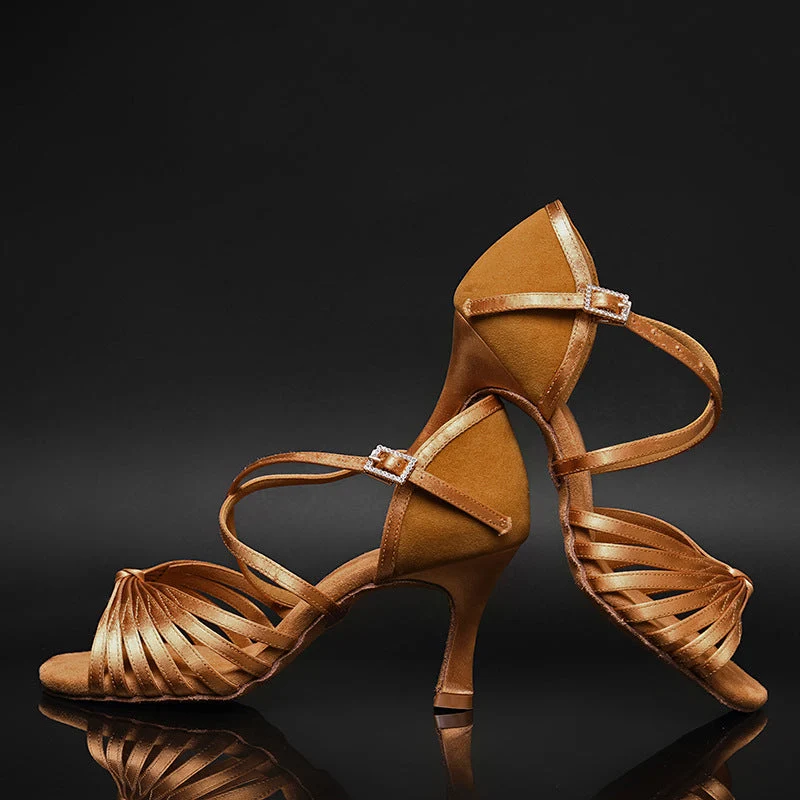
Latin dancing requires a combination of balance, coordination, flexibility, and precise footwork. Whether you practice salsa, cha-cha, rumba, or samba, your feet handle repeated weight transfers, quick turns, and changes in direction. Choosing footwear that provides appropriate support can make these movements more comfortable and help you maintain better control throughout practice and performances.
When exploring Custom Latin Dance Shoes, foot support should be one of the main factors to consider alongside fit, heel height, and sole material. Every dancer has different needs, and a shoe that feels comfortable for one person may not provide the same experience for another. Understanding the role of support can help you choose footwear that complements your dancing style and individual foot shape.
Understanding Foot Support in Latin Dance Shoes
Foot support refers to how well a shoe holds the foot in place while allowing the movements required for dancing. It involves several features, including the shape of the shoe, the stability of the heel, the design of the straps, and the structure of the sole.
Latin dance shoes should provide a secure fit without restricting natural foot movement. Excessively rigid footwear may interfere with flexibility, while a shoe that offers too little structure can allow unwanted movement inside the shoe.
The goal is to find a balance between stability and freedom. This allows dancers to concentrate on timing, technique, and musical expression instead of adjusting uncomfortable footwear.
Why Proper Support Matters During Dancing
Every Latin dance style places different demands on the feet. Rapid steps, pivots, and repeated changes in direction require footwear that remains secure throughout movement.
Maintaining Balance and Stability
Balance is essential when turning, shifting weight, or moving between dance positions. A stable shoe can help create a consistent foundation by keeping the foot properly positioned.
Heel design is particularly important because it influences how weight is distributed. A heel that feels unstable or poorly suited to your technique can make certain movements more challenging.
Choose a heel height that matches your experience and comfort level. Beginners may prefer a moderate height while developing balance, while experienced dancers can select a design that suits their established technique.
Supporting Controlled Footwork
Latin dancing involves detailed foot movements that require coordination between the feet, ankles, and the rest of the body. Shoes should allow the foot to articulate naturally while maintaining a secure connection with the floor.
A suitable combination of flexibility and structure can help dancers perform controlled steps without feeling restricted. This is especially important during routines that involve rapid transitions or repeated pivots.
Improving Comfort During Long Practice Sessions
Extended rehearsals can place considerable demands on the feet. Poorly fitting shoes may cause friction, pressure points, and discomfort that become more noticeable over time.
Appropriate support, combined with accurate sizing, can make footwear more comfortable during regular practice. However, shoes alone cannot prevent all foot discomfort. Proper technique, adequate rest, and appropriate training conditions remain important.
The Role of Arch Support
The arch is an important part of the foot’s structure and contributes to how forces are distributed during standing and movement. Individual arch shapes vary, which means dancers may have different comfort requirements.
Some dancers prefer shoes with a more supportive feel through the middle of the foot, while others are comfortable with the relatively flexible construction typical of many Latin dance shoes.
When selecting footwear, consider whether the shoe follows the natural shape of your foot without creating uncomfortable pressure. Excessive rigidity or an unsuitable arch shape may feel restrictive, particularly during movements that require foot flexibility.
If you experience persistent arch pain or have a diagnosed foot condition, consult a qualified healthcare professional about suitable footwear before choosing a customized design.
Choosing the Right Heel for Better Support
Heel height affects posture, weight distribution, and the amount of pressure placed on different areas of the foot. The most appropriate option depends on your dancing experience, technique, and personal comfort.
When comparing heel designs, consider the following factors:
- Heel height: Choose a height that allows you to maintain balance comfortably.
- Heel stability: Make sure the heel feels secure during basic steps and turns.
- Weight distribution: Avoid designs that create excessive pressure on the toes or forefoot.
- Practice requirements: Consider how the shoes feel during extended rehearsals, not just brief fittings.
A higher heel is not automatically better for Latin dancing. The right choice is one that supports your technique without compromising stability or causing unnecessary discomfort.
Why Straps and Shoe Fit Matter
Straps help hold the foot securely inside the shoe. Their position, adjustability, and construction influence how the shoe feels during quick movements and changes in direction.
Ankle straps, T-straps, and cross-over designs each provide a different fit. The most suitable option depends on your foot shape and personal preferences.
The shoe should fit closely without squeezing the toes or allowing the heel to slip excessively. Straps should remain secure without rubbing against the skin or restricting circulation.
Custom sizing may be useful for dancers with narrow heels, wider forefeet, or other fitting challenges. Accurate measurements can help identify suitable dimensions, but the final fit should always be assessed through comfortable movement.
Selecting the Right Sole for Floor Control
The sole plays an important role in how dance shoes interact with the floor. Many Latin dance shoes feature suede soles because they provide a useful balance between traction and smooth movement on appropriate indoor surfaces.
Too much grip may make pivots difficult, while insufficient traction can reduce confidence during turns. The ideal sole depends on the flooring, its condition, and your technique.
Foot support and floor control work together. Even a shoe that fits securely may feel unsuitable if its sole behaves unpredictably on the surface where you dance.
If you practice in different studios or performance venues, consider how the footwear performs across those environments. Regularly brush suede soles with a suitable brush and avoid wearing indoor dance shoes outdoors.
How Customization Can Address Individual Support Needs
Standard dance shoes are designed to accommodate a range of foot shapes, but they may not suit every dancer equally well. Custom-made options can provide more flexibility when selecting certain dimensions and design features.
Depending on the available options, customization may involve:
- Adjustments to shoe length or width.
- Different heel heights or shapes.
- Alternative strap arrangements.
- A choice of upper materials and lining.
- Design details that accommodate individual fit preferences.
These features can be useful for dancers who struggle to find standard footwear that feels secure and comfortable. However, customization does not guarantee improved support in every case. Material quality, construction, and the suitability of the finished design remain essential.
Before ordering, review the sizing instructions and confirm which features can actually be adjusted. If you have specific support concerns, seek advice from a knowledgeable dance shoe fitter or healthcare professional when appropriate.
Support Needs for Different Latin Dance Styles
Your preferred dance style can influence which footwear characteristics matter most.
Salsa and Cha-Cha
Salsa and cha-cha often involve quick steps, pivots, and frequent directional changes. A secure fit and suitable sole traction can help dancers maintain control while practicing intricate footwork.
Flexible construction may also be useful when learning to coordinate rapid movements with rhythm.
Rumba
Rumba emphasizes controlled movements and deliberate weight transfers. Comfortable footwear that allows natural foot articulation can help dancers focus on precision and expression.
A shoe that feels excessively stiff or creates pressure around the forefoot may become distracting during slower sequences.
Samba
Samba involves energetic movement and repeated changes in rhythm. A secure upper and stable heel can help dancers feel confident while developing the technique required for the style.
Regardless of the dance, support should complement natural movement rather than restrict it.
Common Foot Support Mistakes to Avoid
Choosing dance shoes based on appearance alone can lead to problems with comfort and stability. A few practical checks can help you make a more informed decision.
Choosing an unsuitable heel height: A heel that feels difficult to control may interfere with balance and movement.
Ignoring foot width: A shoe that is too narrow can create pressure, while excessive width may allow unwanted slipping.
Assuming more rigidity means more support: Dance shoes need an appropriate balance of structure and flexibility.
Overlooking strap placement: Poorly positioned straps can cause friction or fail to secure the foot properly.
Ignoring discomfort: Persistent pain or instability should not be treated as something you must simply get used to.
Try new shoes with basic dance movements before wearing them for extended sessions. If discomfort continues, reassess the fit and design rather than forcing your feet to adapt.
Maintaining Support Throughout the Life of Your Shoes
Even well-made dance shoes can lose their effectiveness as materials wear. Repeated use may stretch straps, weaken stitching, damage soles, or affect heel stability.
Inspect your footwear regularly, especially if you dance several times a week. Check that the heel remains firmly attached and that the straps continue to hold the foot securely.
Store shoes in a dry, ventilated place and follow the manufacturer’s care instructions. Allow damp footwear to dry naturally, and clean suede soles with an appropriate brush to maintain their texture.
Replace or repair shoes when wear begins to affect their stability or safety. Continuing to dance in footwear with a damaged heel or separating sole may increase the risk of slipping or losing control.
Final Thoughts
Foot support is an important consideration when choosing Latin dance shoes because it influences fit, stability, comfort, and freedom of movement. The right combination of heel design, strap placement, sole characteristics, and shoe construction can help dancers concentrate on technique and enjoy their practice sessions.
Custom-made footwear may be particularly useful when standard designs do not accommodate your foot shape or personal preferences. However, the best choice is not necessarily the most customized option; it is the pair that fits securely, supports your movements, and feels comfortable on your intended dance floor.
Take time to assess your measurements, consider your preferred Latin dance style, and test new footwear before demanding rehearsals or performances. With careful selection and regular maintenance, you can find dance shoes that support your development while helping you move with greater confidence.


