Modern video surveillance systems rely on stable signal transmission to deliver clear and uninterrupted footage. Among the many components involved in a CCTV setup, cables play a critical role in ensuring reliable communication between cameras, monitors, and recording devices. One of the most commonly used cable types in analog surveillance systems is the BNC cable.
BNC cables are specifically designed to transmit video signals efficiently while minimizing interference. In many surveillance installations, cctv bnc cables are preferred because they provide secure connections and maintain consistent video quality over long distances. Their durability and compatibility with traditional CCTV systems make them a dependable option for residential, commercial, and industrial security applications.
What Are CCTV BNC Cables?
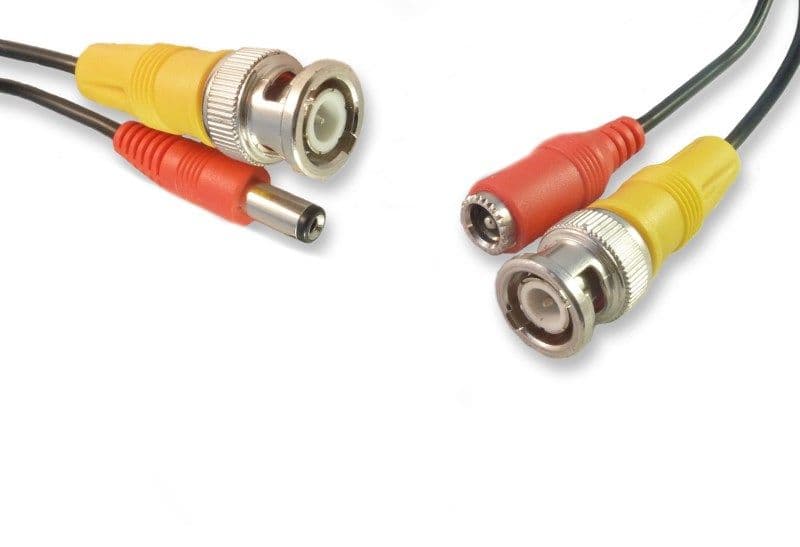
CCTV BNC cables are coaxial cables equipped with Bayonet Neill-Concelman (BNC) connectors at each end. These connectors are widely used in video transmission systems because they create a stable and secure connection that resists accidental disconnection.
The cable itself typically contains a central conductor, insulation layer, shielding, and an outer protective jacket. This structure helps reduce electromagnetic interference, which is important for maintaining clear surveillance footage.
BNC cables are most commonly used in analog CCTV systems, including HD-over-coax technologies such as AHD, HD-TVI, and HD-CVI.
Why BNC Cables Are Important in Surveillance Systems
Video surveillance systems depend heavily on uninterrupted signal transfer. Poor-quality cables can result in image distortion, signal loss, or unstable footage. BNC cables are designed to handle these challenges effectively.
Some key benefits include:
- Stable video signal transmission
- Reduced interference and signal degradation
- Strong physical connection between devices
- Long-distance transmission capability
- Compatibility with many CCTV camera systems
Because of these advantages, BNC cables remain widely used even as surveillance technologies continue to evolve.
Types of CCTV BNC Cables
Different surveillance setups require different cable specifications. Choosing the right type of BNC cable can improve system performance and reliability.
RG59 Cables
RG59 is one of the most commonly used coaxial cables in CCTV systems. It is suitable for shorter transmission distances and is often used in home and small business installations.
RG6 Cables
RG6 cables provide better shielding and lower signal loss compared to RG59. They are ideal for longer cable runs and environments with higher electrical interference.
Siamese CCTV Cables
Siamese cables combine video and power transmission into a single cable. This simplifies installation by reducing the number of separate wires needed for the surveillance system.
Common Applications of BNC Cables
BNC cables are used in a variety of surveillance environments. Their versatility makes them suitable for many security applications.
Residential Security
Homeowners often use BNC-based CCTV systems to monitor entrances, garages, driveways, and backyards. The cables help deliver consistent video quality for everyday security monitoring.
Commercial Buildings
Retail stores, offices, warehouses, and shopping centers frequently rely on BNC cable systems for continuous surveillance coverage.
Industrial Facilities
Factories and industrial sites may require long-distance cable installations where durable and shielded coaxial cables are essential for reliable operation.
Installation Considerations
Proper installation plays a major role in overall CCTV system performance. Even high-quality cables can underperform if they are not installed correctly.
Here are a few important considerations:
- Avoid sharp cable bends that may damage internal shielding.
- Keep cables away from high-voltage electrical wiring.
- Use weather-resistant cables for outdoor installations.
- Ensure connectors are securely attached to avoid signal interruptions.
- Select the appropriate cable length to minimize unnecessary signal loss.
Professional cable management can also make future maintenance easier and improve system longevity.
Analog vs. IP Surveillance Systems
Although IP camera systems are becoming more common, analog CCTV systems using BNC cables still offer several practical advantages. Many businesses continue using coaxial infrastructure because it is cost-effective and easy to maintain.
HD-over-coax technologies have also improved the performance of analog systems significantly. These systems can now support high-definition video while using existing BNC cable infrastructure.
For many users, upgrading cameras while retaining existing coaxial wiring provides an affordable transition path without requiring a complete system replacement.
How to Choose the Right BNC Cable
Selecting the right cable depends on several factors, including installation environment, transmission distance, and camera resolution.
When evaluating BNC cables, consider:
- Cable shielding quality
- Connector durability
- Indoor or outdoor usage
- Signal transmission distance
- Compatibility with surveillance equipment
Using well-matched components throughout the surveillance system helps maintain stable video quality and reduces maintenance issues over time.
Conclusion
CCTV BNC cables continue to play an essential role in video surveillance systems around the world. Their ability to provide reliable signal transmission, resist interference, and support long cable runs makes them a trusted solution for analog security installations.
Whether used in homes, businesses, or industrial facilities, BNC cables contribute significantly to stable and effective surveillance performance. Understanding their features, applications, and installation requirements can help users build more dependable and efficient security systems.