A well-positioned foot wash sink enhances usability, promotes hygiene, and ensures safety for all users. Whether installed in a residential space, outdoor area, or communal facility, careful planning of its placement can significantly improve convenience and user experience. Understanding key considerations for positioning will help homeowners, designers, and facility managers make the most of this essential feature.
A high-quality foot wash sink should be located in a spot that balances accessibility, functionality, and aesthetic integration. Positioning the sink strategically ensures that users can easily reach it without obstructing pathways or creating congestion in high-traffic areas. Proper placement also minimizes water spillage, reduces the risk of accidents, and supports efficient cleaning routines.
Near Entry Points
One of the most practical locations for a foot wash sink is near entry points, particularly in areas where dirt, sand, or water is commonly tracked indoors. For homes, placing the sink close to patios, gardens, or pool entrances allows users to rinse their feet before entering the main living spaces. In public or communal settings, sinks near doors or entryways help prevent dirt and debris from spreading across floors, maintaining cleanliness throughout the facility.
Accessible Heights and Ergonomics
Positioning the foot wash sink at the right height is crucial for convenience. For most adult users, the basin should be installed low enough to allow easy foot placement without excessive bending, typically between 20 to 24 inches from the floor. In areas frequented by children, elderly individuals, or people with mobility challenges, consider providing adjustable heights, steps, or seating to improve accessibility. Thoughtful ergonomic positioning ensures comfort and safety while using the sink.
Consider Plumbing and Drainage
Effective placement requires coordination with plumbing and drainage systems. The sink should be installed in a location where water supply lines and drainage connections are accessible and efficient. Proper slope and drainage prevent standing water, reducing slips and maintaining hygiene. Planning for easy access to plumbing also facilitates maintenance and repairs, ensuring long-term functionality without disruption.
Avoiding Congestion
In communal areas such as community centers, religious facilities, or recreational spaces, careful positioning helps prevent congestion. Installing multiple foot wash sinks along walls or in a linear arrangement allows several users to wash simultaneously. Ensure adequate spacing between units and surrounding structures to allow freedom of movement and accommodate individuals of all sizes and mobility levels.
Safety Considerations
Water splashing is a common occurrence at foot wash sinks, so positioning should account for slip hazards. Place the sink on slip-resistant flooring or add mats to reduce the risk of accidents. Avoid locations near electrical outlets or obstacles that could be hazardous when wet. Strategic placement ensures users can wash their feet safely without compromising surrounding areas.
Outdoor and Recreational Placement
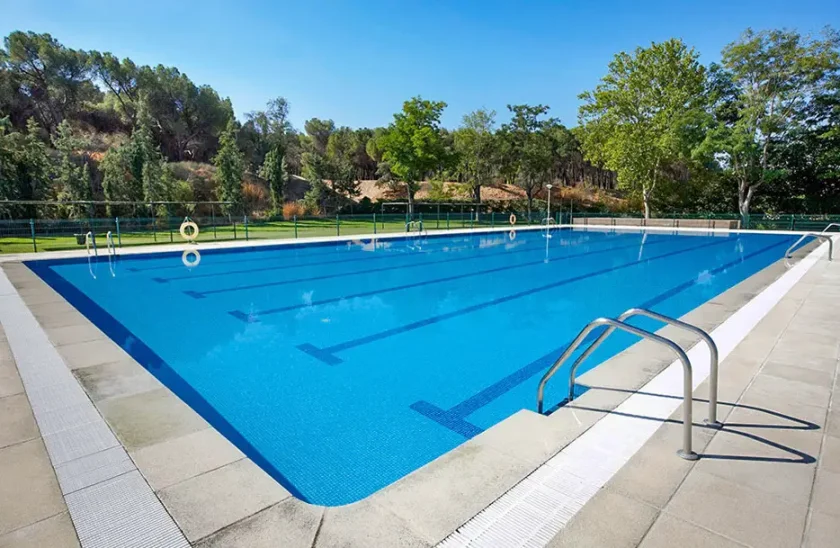
For outdoor settings such as pool areas, sports fields, or playgrounds, positioning the foot wash sink near high-traffic zones enhances convenience. Users can rinse their feet immediately after activities, preventing dirt or sand from entering indoor facilities. Sheltered or shaded placements can improve comfort during use, protecting users from direct sunlight or rain.
Enhancing User Flow
Consider the natural flow of traffic when positioning a foot wash sink. In homes, place it along common paths from outdoor areas to interior spaces. In public facilities, situate it where users are most likely to need it, such as near locker rooms, gym entrances, or prayer areas. Proper placement improves usability, reduces congestion, and encourages consistent use, supporting hygiene and convenience.
Aesthetic Integration
While functionality is paramount, visual integration is also important. Position the foot wash sink so that it complements surrounding architecture and landscaping. Concealed plumbing, coordinated materials, and thoughtful design help the sink blend seamlessly into the environment, creating a practical yet aesthetically pleasing feature.
Conclusion
Proper positioning of a foot wash sink is essential for maximizing convenience, safety, and hygiene. By placing the sink near entry points, considering ergonomic heights, coordinating plumbing, and maintaining clear user flow, homeowners and facility managers can create a functional and accessible washing area. Thoughtful placement also enhances aesthetic appeal and ensures long-term usability, making the foot wash sink a valuable addition to any residential, outdoor, or communal space.