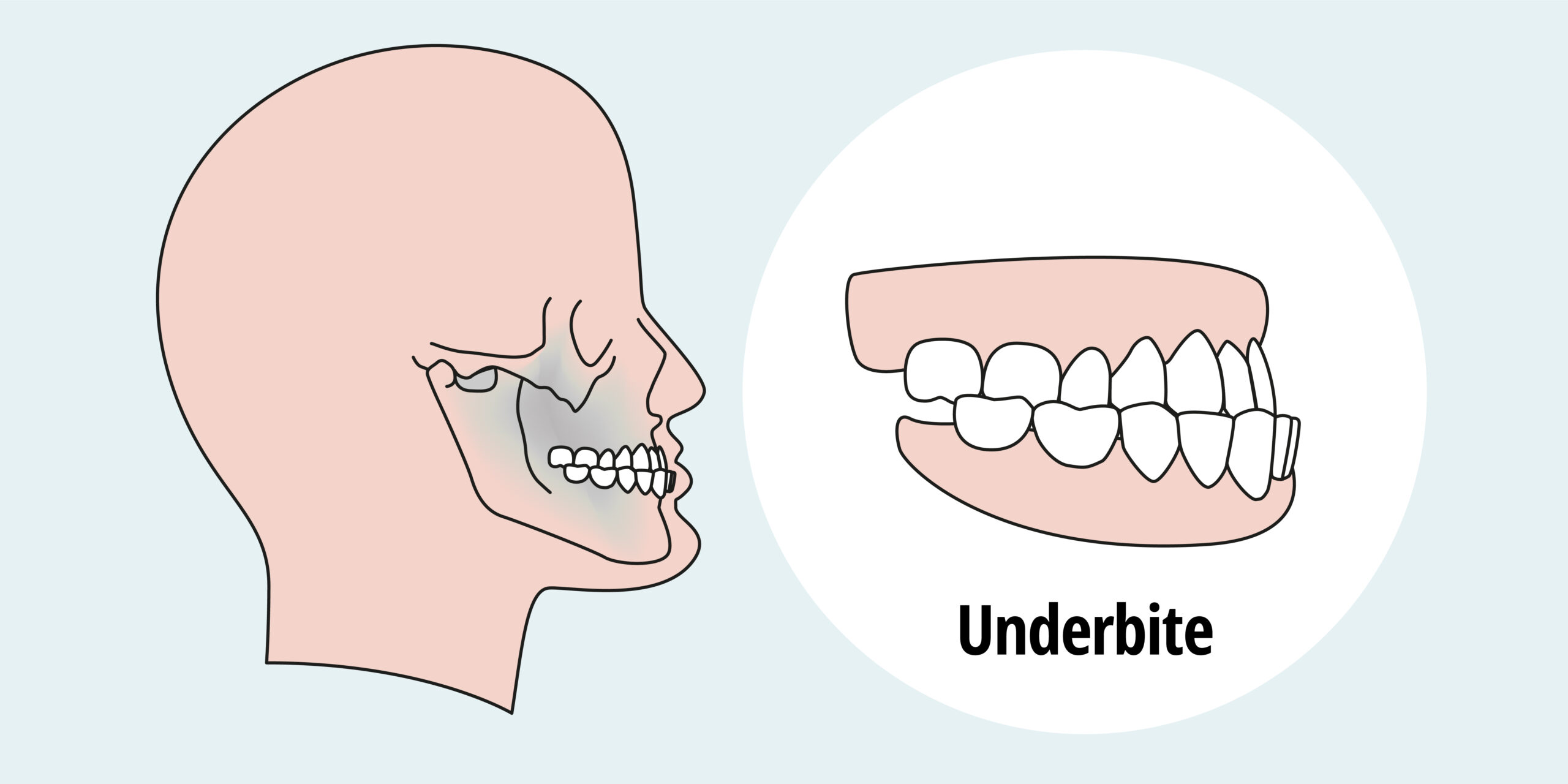
An underbite is a dental condition where the lower teeth extend beyond the upper teeth when the mouth is closed. This misalignment can affect not only the appearance of a smile but also chewing ability, speech, and overall oral health. In more severe cases, an underbite may also lead to uneven tooth wear and jaw discomfort if left untreated. Understanding available treatment options is important for patients who want to correct this condition effectively and improve both function and aesthetics.
Modern orthodontics offers several solutions depending on the severity and cause of the condition. Learning more about teeth underbite helps patients understand why early assessment is important and how treatment can prevent long-term complications. With proper diagnosis and a tailored treatment plan, orthodontists can guide jaw and teeth alignment to achieve a balanced bite and improved facial harmony.
1. Traditional Braces
Traditional metal braces are one of the most common treatments for underbite correction. They apply continuous pressure to gradually move teeth into proper alignment. This method is highly effective for mild to moderate underbites and is often used in growing children and teenagers.
2. Ceramic Braces
Ceramic braces function similarly to metal braces but use tooth-colored brackets that blend with natural teeth. They are less noticeable and are preferred by patients who want a more aesthetic treatment option while still effectively correcting underbite issues.
3. Clear Aligners
Clear aligners are removable trays that gradually shift teeth into the correct position. They are discreet, comfortable, and convenient for patients with mild to moderate underbites. Consistent wear is essential for achieving optimal results.
4. Palatal Expansion
In younger patients, palatal expanders may be used to widen the upper jaw. This creates better alignment between the upper and lower teeth and can reduce or eliminate underbite issues caused by jaw size discrepancies.
5. Jaw Surgery (Orthognathic Surgery)
In severe cases where the jaw structure is the main cause of the underbite, corrective jaw surgery may be required. This procedure repositions the jaw to achieve proper alignment and is usually combined with orthodontic treatment.
6. Tooth Extraction
In some cases, removing specific teeth may be necessary to create space for proper alignment. This allows remaining teeth to shift into better positions and improves overall bite function.
7. Functional Appliances
Functional appliances are often used in growing children to guide jaw development. These devices help correct jaw positioning over time and reduce the severity of underbites without invasive procedures.
8. Rubber Bands with Braces
Orthodontic elastics or rubber bands are commonly used with braces to correct bite alignment. They apply targeted pressure to move the upper and lower jaws into better harmony, improving bite balance over time.
9. Retainers After Treatment
After active treatment is completed, retainers are essential to maintain results. They help prevent teeth from shifting back to their original positions and ensure long-term stability of the corrected bite.
Conclusion
Underbite treatment requires a personalised approach based on the severity of the condition and the patient’s age. With modern orthodontic solutions such as braces, aligners, and surgical options, patients can achieve significant improvements in both function and appearance. Early diagnosis and proper treatment planning play a key role in ensuring long-term success and a healthier, more confident smile.