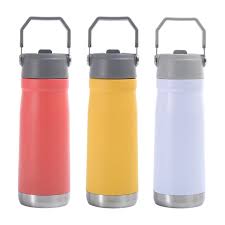
Custom-branded drinkware has become a popular choice for businesses looking to strengthen brand recognition, promote products, and create practical corporate gifts. From personalized water bottles and insulated tumblers to branded coffee mugs and reusable cups, these products offer opportunities to connect with customers through everyday use. However, the success of a custom drinkware project depends heavily on selecting the right manufacturing and sourcing partner.
Choosing a reliable Drinkware Supplier requires more than comparing product prices. Businesses must consider customization capabilities, material quality, printing techniques, production capacity, and delivery reliability. A suitable supplier should understand branding requirements and have the technical resources to turn design ideas into consistent, functional products.
1. Define Your Custom Drinkware Requirements
Before contacting potential suppliers, establish clear requirements for the products you want to develop. Having a defined project scope makes it easier to compare quotations and determine whether a supplier can meet your expectations.
Start by identifying the purpose of the branded drinkware. Promotional giveaways may require different features from premium corporate gifts or retail products.
Consider the following details:
- Product type: Decide whether you need tumblers, water bottles, coffee mugs, travel cups, or reusable drinking glasses.
- Target audience: Consider the preferences and everyday needs of the intended users.
- Quantity: Estimate the number of products required for your campaign or business.
- Budget: Establish a realistic spending range, including customization and packaging.
- Design requirements: Determine the preferred colors, logo placement, and finishing options.
- Delivery schedule: Identify when the finished products must be available.
Clear requirements help suppliers recommend appropriate materials, designs, and production methods.
2. Evaluate the Supplier’s Customization Capabilities
Customization is one of the most important factors when sourcing branded drinkware. Different businesses have different visual identities, so suppliers should offer enough flexibility to accommodate specific branding requirements.
Some suppliers specialize in standard products with basic logo printing, while others provide more extensive customization services.
Look for capabilities such as:
- Custom product colors and finishes.
- Logo printing and laser engraving.
- Personalized product shapes and sizes.
- Custom lids, handles, and accessories.
- Branded packaging and product labels.
- OEM and private-label manufacturing.
It is also important to understand the supplier’s limitations. Certain designs may require special molds, additional production steps, or higher minimum order quantities.
Discussing these requirements early helps prevent unexpected costs and production complications.
3. Compare Different Logo Printing and Branding Techniques
The branding method influences the appearance, durability, and overall cost of custom drinkware. Different printing and decoration techniques are suitable for different materials and design requirements.
Screen Printing
Screen printing is commonly used for applying logos and simple designs to drinkware surfaces. It can be suitable for larger production quantities and designs with relatively limited colors.
Laser Engraving
Laser engraving creates permanent markings by removing or altering a small portion of the product’s surface. It is frequently used on stainless steel drinkware for a clean and professional appearance.
UV Printing
UV printing uses ultraviolet light to cure specially formulated inks. It can support detailed graphics and multiple colors on compatible surfaces.
Heat Transfer Printing
Heat transfer techniques apply designs using heat and pressure. They can be useful for certain drinkware materials and products requiring more detailed decorative patterns.
When choosing a supplier, ask which techniques are available for your selected product. Request samples to examine print clarity, color accuracy, and resistance to everyday handling and cleaning.
4. Check Material Quality and Product Durability
A custom logo may attract attention, but the drinkware itself must provide reliable performance. Poor-quality products can negatively affect brand perception, especially when they are distributed as corporate gifts or sold directly to customers.
Common drinkware materials include stainless steel, glass, plastic, ceramic, and silicone.
Each material offers different advantages:
- Stainless steel: Suitable for durable bottles and insulated tumblers.
- Glass: Provides a clean appearance and is commonly used for drinking glasses and beverage containers.
- Plastic: Offers lightweight construction and design flexibility when appropriate food-contact materials are used.
- Ceramic: Popular for coffee mugs and branded office drinkware.
- Silicone: Useful for flexible, collapsible, and portable products.
Ask suppliers about material specifications, construction quality, surface coatings, and product testing. For drinkware intended for beverage contact, relevant food-contact safety requirements should also be verified.
5. Request Samples Before Confirming Bulk Orders
Samples are essential when evaluating custom-branded products. Digital mockups can demonstrate the general design, but they cannot fully communicate the actual material quality, weight, surface finish, or printing performance.
A physical sample allows businesses to check whether the finished product matches their expectations.
During sample evaluation, examine:
- Logo positioning and dimensions.
- Color accuracy and print quality.
- Material strength and surface finishing.
- Lid fitting and leakage resistance.
- Product functionality and ease of use.
- Packaging and presentation.
For large customized orders, approve a final sample before mass production begins. This provides a reference that both the buyer and supplier can use during quality inspections.
6. Examine Manufacturing Experience and Production Capacity
A supplier’s manufacturing experience can influence the quality and consistency of custom-branded products. Companies with established production systems may be better equipped to handle different materials, decoration methods, and order volumes.
Ask potential suppliers about their production facilities, equipment, workforce, and experience with similar customization projects.
Important questions include:
- How many units can be produced within the required timeframe?
- Which customization processes are available internally?
- Can the supplier manage multiple product designs in one order?
- How are customized products inspected?
- Can production capacity increase when demand grows?
A supplier should be able to explain its capabilities clearly and provide realistic production estimates.
7. Understand Minimum Order Quantities and Pricing
Custom-branded drinkware often involves additional production steps compared with standard products. Printing setup, artwork preparation, special colors, and customized packaging can influence minimum order quantities and overall costs.
Before selecting a supplier, request a detailed quotation that separates product costs from customization expenses.
The quotation should ideally include:
- Base product price.
- Logo printing or engraving charges.
- Artwork preparation fees, if applicable.
- Custom packaging expenses.
- Minimum order quantity.
- Sample and tooling costs.
- Shipping and other applicable charges.
Compare prices from multiple suppliers using identical specifications. This makes it easier to identify competitive offers without sacrificing important quality requirements.
Businesses should also consider the cost per usable product rather than focusing only on the initial purchase price.
8. Verify Quality Control and Product Safety Standards
Quality control is particularly important for custom drinkware because products must meet both functional and visual requirements.
A supplier should have procedures for checking materials, production quality, branding accuracy, and finished products.
For customized drinkware, inspection should cover:
- Product dimensions and material consistency.
- Logo alignment and color accuracy.
- Printing or engraving quality.
- Lid and accessory functionality.
- Surface defects and finishing issues.
- Packaging condition.
Product safety should receive equal attention. Depending on the material and destination market, relevant food-contact regulations and testing requirements may apply.
Ask for appropriate compliance documentation and testing reports rather than relying only on general claims about product safety.
9. Evaluate Packaging and Presentation Options
Packaging plays an important role in how custom-branded drinkware is received by customers and business partners. Attractive packaging can improve the presentation of corporate gifts, promotional merchandise, and retail products.
A capable supplier may offer several packaging options, including:
- Individual product boxes.
- Custom printed cartons.
- Branded sleeves and labels.
- Protective inserts.
- Gift packaging.
- Bulk export packaging.
Businesses should discuss packaging requirements during the design stage rather than waiting until manufacturing is complete.
For international orders, packaging must also provide sufficient protection against movement, moisture, and transportation damage.
10. Consider the Supplier’s Communication and Design Support
Custom product development often requires multiple discussions about artwork, product dimensions, printing methods, and sample revisions. Clear communication helps ensure that every detail is understood before production starts.
A professional supplier should respond to questions promptly and provide practical guidance when a proposed design creates manufacturing challenges.
Evaluate how the supplier handles:
- Artwork submission and approval.
- Design revisions.
- Sample development.
- Production updates.
- Changes to order specifications.
- Quality complaints and after-sales support.
Design support is especially useful for businesses that do not have extensive experience developing customized drinkware.
11. Review Delivery Capabilities and Lead Times
Delivery reliability is important when custom-branded drinkware is being prepared for a scheduled event, marketing campaign, product launch, or seasonal promotion.
Customized orders may require additional time for artwork approval, sample production, printing setup, and manufacturing.
Ask the supplier to provide a realistic timeline covering each stage of the order.
For international shipments, discuss transportation methods, shipping responsibilities, customs documentation, and tracking arrangements.
Sea freight may be suitable for larger orders with flexible delivery schedules, while air freight or express services may be more appropriate for urgent shipments.
A dependable supplier should communicate potential delays early and provide updates throughout the order process.
12. Assess the Supplier’s Reputation and Previous Projects
A supplier’s previous work can provide useful information about its experience with custom-branded drinkware. Reviewing completed projects helps businesses understand the company’s design capabilities and production standards.
Look for examples involving products similar to your requirements. For instance, a company with experience in customized stainless steel tumblers may be more suitable for a project involving insulated promotional bottles than one focused primarily on standard glassware.
You can also request customer references, review available feedback, and examine business information.
Rather than relying exclusively on promotional photographs, request physical samples and supporting documentation whenever possible.
13. Think About Long-Term Business Partnership
Choosing a supplier should be viewed as a long-term business decision, particularly for companies that regularly purchase promotional products or branded drinkware.
A stable partnership can simplify repeat orders because the supplier becomes familiar with brand guidelines, product specifications, packaging preferences, and quality expectations.
Before establishing an ongoing relationship, consider whether the supplier can:
- Maintain consistent product specifications.
- Support repeat and larger orders.
- Introduce new product designs.
- Offer reasonable pricing arrangements.
- Respond effectively to changing requirements.
- Resolve quality and delivery issues professionally.
A supplier that understands your business objectives can make future sourcing and product development more efficient.
Common Mistakes to Avoid When Selecting a Custom Drinkware Supplier
Businesses can experience unnecessary expenses and delays when important sourcing details are overlooked.
Some common mistakes include:
- Choosing a supplier based only on the lowest price.
- Approving digital designs without checking physical samples.
- Failing to confirm printing techniques and logo durability.
- Ignoring material safety and relevant certifications.
- Providing incomplete artwork or product specifications.
- Overlooking customization costs and minimum order quantities.
- Failing to establish a clear production schedule.
- Not checking the supplier’s quality inspection procedures.
Avoiding these mistakes helps businesses reduce purchasing risks and achieve more consistent results.
Conclusion
Choosing the best supplier for custom-branded drinkware requires careful evaluation of manufacturing capabilities, customization options, material quality, pricing, and delivery performance. Businesses should also pay attention to design support, product safety, quality control, and the supplier’s ability to maintain consistent standards across repeat orders.
Requesting physical samples, comparing detailed quotations, and confirming production specifications before placing bulk orders are practical ways to make better sourcing decisions. A reliable business partner should understand branding requirements while providing products that meet functional and quality expectations.
By considering both immediate project needs and future business goals, companies can establish dependable supplier relationships and develop custom-branded drinkware that supports brand recognition and customer satisfaction.