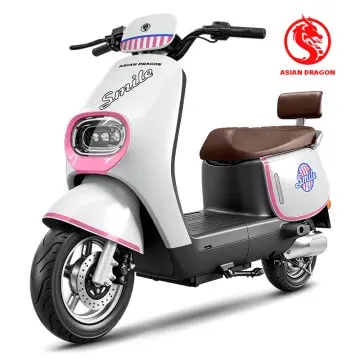
Cycling is a practical way to travel, stay active, and reduce dependence on fuel-powered transportation. However, hills, long distances, strong winds, and daily physical demands can make traditional cycling challenging for some people. Electric pedal assist technology addresses these difficulties by providing additional power while the rider continues pedaling. This creates a more flexible riding experience that combines human effort with motor assistance.
For commuters, recreational cyclists, and people returning to regular exercise, an Electric Pedal Assist Bike can make everyday journeys more manageable without removing the familiar experience of cycling. By understanding how pedal assistance works, its main advantages, and the features worth comparing, riders can choose a model that fits their transportation needs and personal preferences.
What Is an Electric Pedal Assist Bike?
An electric pedal assist bike is equipped with an electric motor that provides additional power when the rider pedals. Unlike a conventional motorcycle or throttle-only electric vehicle, a pedal assist system generally requires the cyclist to keep turning the pedals for the motor to deliver assistance.
The system uses sensors and electronic controls to determine when and how much support is needed. Depending on the model, riders can select different assistance levels to adjust the amount of motor power supplied during a journey.
Most pedal assist bikes include several essential components:
- Electric motor: Provides additional power to support pedaling.
- Rechargeable battery: Stores the electricity needed to operate the motor.
- Pedal sensors: Detect pedaling activity and communicate with the control system.
- Controller: Regulates motor assistance based on sensor input and selected settings.
- Display: Shows useful information such as battery level, speed, and assistance mode.
These components work together to provide a riding experience that can be adjusted according to the route and rider’s preferences.
How Pedal Assist Technology Works
Pedal assist technology relies on sensors that detect the cyclist’s movements. When the rider begins pedaling, the system activates the motor according to its programmed settings.
There are two common sensor types used in electric bikes.
Cadence Sensors
Cadence sensors detect whether the pedals are rotating. When pedaling begins, the system activates the selected level of motor assistance.
These sensors are relatively simple and can provide consistent support for everyday riding. However, the assistance may feel less closely connected to the rider’s effort.
Torque Sensors
Torque sensors measure how much force the rider applies to the pedals. The motor then adjusts its output based on the detected effort.
This can create a more natural riding experience because stronger pedaling generally produces more assistance. Torque sensing is particularly useful for cyclists who want responsive support on hills or during changing riding conditions.
Making Everyday Commuting Easier
One of the main advantages of pedal assist technology is its ability to make regular journeys less physically demanding.
Handling Hills and Inclines
Climbing hills requires considerable effort on a traditional bicycle. Pedal assistance helps reduce the amount of physical force needed, making uphill routes more manageable.
This can be especially useful for commuters who encounter steep roads on their way to work or school. Riders can select a higher assistance level when needed and reduce it on flatter sections.
Traveling Longer Distances
Motor assistance can help cyclists maintain a comfortable pace over longer journeys. Instead of using all their energy early in a trip, riders can distribute their effort more effectively.
This makes electric pedal assist bikes useful for people who want to cycle regularly without feeling excessively tired when they reach their destination.
Reducing Physical Strain
Although pedal assist bikes still require pedaling, the motor helps reduce the effort needed to accelerate and maintain movement. This can make cycling more approachable for beginners and people who prefer moderate physical activity.
The level of support can also be adjusted to suit individual fitness levels and changing conditions.
Improving Energy Efficiency and Travel Flexibility
Electric pedal assist bikes combine human power with battery energy. This arrangement allows riders to travel using less physical effort while avoiding the direct exhaust emissions associated with conventional fuel-powered vehicles.
Their efficiency depends on several factors, including battery capacity, motor design, terrain, rider weight, tire pressure, and selected assistance level.
Using lower assistance settings when conditions permit can help conserve battery energy. Riders may also extend their range by maintaining steady speeds, keeping tires properly inflated, and avoiding unnecessary acceleration.
For short urban journeys, these bikes can provide an alternative to driving or using other motorized transportation. They may also reduce the need to search for parking in busy areas.
Understanding Battery Capacity and Riding Range
The battery determines how much electrical energy is available to power the motor. Its capacity is commonly measured in watt-hours (Wh), with larger capacities generally providing more stored energy.
However, battery size alone does not guarantee a specific riding distance. Actual range can change depending on:
- The selected pedal assist level.
- The weight of the rider and carried items.
- The amount of climbing along the route.
- Weather conditions and wind resistance.
- Tire pressure and overall bicycle condition.
- Motor efficiency and battery age.
Before purchasing, riders should compare the manufacturer’s range estimates with their typical travel requirements. Choosing a battery that comfortably supports regular journeys can reduce the need for frequent charging.
Different Pedal Assist Levels and Their Uses
Many electric bikes provide several assistance modes so riders can adapt motor output to different situations.
| Assistance level | Typical application |
|---|---|
| Low | Flat roads, light support, and battery conservation |
| Medium | Everyday commuting and moderate inclines |
| High | Steeper hills and situations requiring additional assistance |
| Walk assist | Helps move the bicycle at a slow walking pace, where available |
The exact names and behavior of these modes vary by manufacturer. Riders should become familiar with their bicycle’s controls before using it in busy traffic or unfamiliar environments.
Comfort, Handling, and Safety Features
A comfortable riding experience depends on more than motor assistance. Frame geometry, saddle design, handlebar position, tires, suspension, and braking components all influence how the bicycle performs.
Frame and Riding Position
A suitable frame size helps riders maintain a comfortable posture and control the handlebars effectively. An upright position may be preferable for casual commuting, while a more forward position can suit riders who prioritize efficiency.
Suspension and Tires
Front suspension can help absorb impacts from potholes and uneven pavement. Wider tires may provide additional cushioning and grip, depending on their tread pattern and pressure.
The right combination depends on whether the bike will mainly be used on paved roads, gravel paths, or rougher surfaces.
Braking Performance
Electric bikes can be heavier than conventional bicycles because of their motors and batteries. Reliable brakes are therefore important for controlled stopping, particularly when traveling downhill or carrying additional weight.
Disc brakes are common on many electric models, with hydraulic and mechanical systems offering different maintenance and performance characteristics.
What to Consider Before Buying
Choosing an electric pedal assist bike requires matching its specifications to the rider’s everyday needs.
Important purchasing considerations include:
- Motor output: Check whether the motor provides suitable assistance for the terrain and expected load.
- Battery capacity: Compare the available energy with the distance of typical journeys.
- Sensor technology: Decide whether cadence-based or torque-based assistance better suits your riding preferences.
- Frame size: Ensure the bicycle provides a comfortable and controllable riding position.
- Braking system: Look for dependable brakes that suit the bike’s weight and intended use.
- Weight: Consider whether the bicycle will need to be carried up stairs or stored in a limited space.
- Service support: Check the availability of replacement batteries, compatible parts, and qualified technicians.
- Local regulations: Confirm applicable rules for motor power, assisted speed, equipment, licensing, and road use.
A test ride can also help reveal differences in motor response, handling, and comfort that specifications alone may not communicate.
Maintaining an Electric Pedal Assist Bike
Routine maintenance helps preserve performance and supports a longer service life.
Battery care: Use the recommended charger and follow the manufacturer’s instructions for charging and storage. Avoid exposing the battery to extreme temperatures.
Motor and electrical checks: Inspect visible wiring and connections for damage. Unusual noises or inconsistent assistance should be checked by a qualified technician.
Tire maintenance: Keep tires inflated to the recommended pressure and inspect them for cuts, worn tread, or embedded objects.
Drivetrain cleaning: Clean and lubricate the chain regularly. Check the gears and shifting system for signs of wear.
Brake inspections: Examine brake pads, rotors, and cables or hydraulic components to ensure reliable stopping performance.
Following the manufacturer’s service schedule is especially important because electric systems may require specialized inspection.
Conclusion
Electric pedal assist bikes make cycling more accessible by combining traditional pedaling with adjustable motor support. They can reduce the effort required for hills, help riders manage longer journeys, and provide a practical transportation option for everyday travel.
Choosing the right model involves considering motor performance, battery capacity, sensor technology, comfort, braking, and maintenance requirements. With suitable specifications and regular care, a pedal assist bike can support convenient, efficient, and enjoyable cycling across a wide range of daily activities.