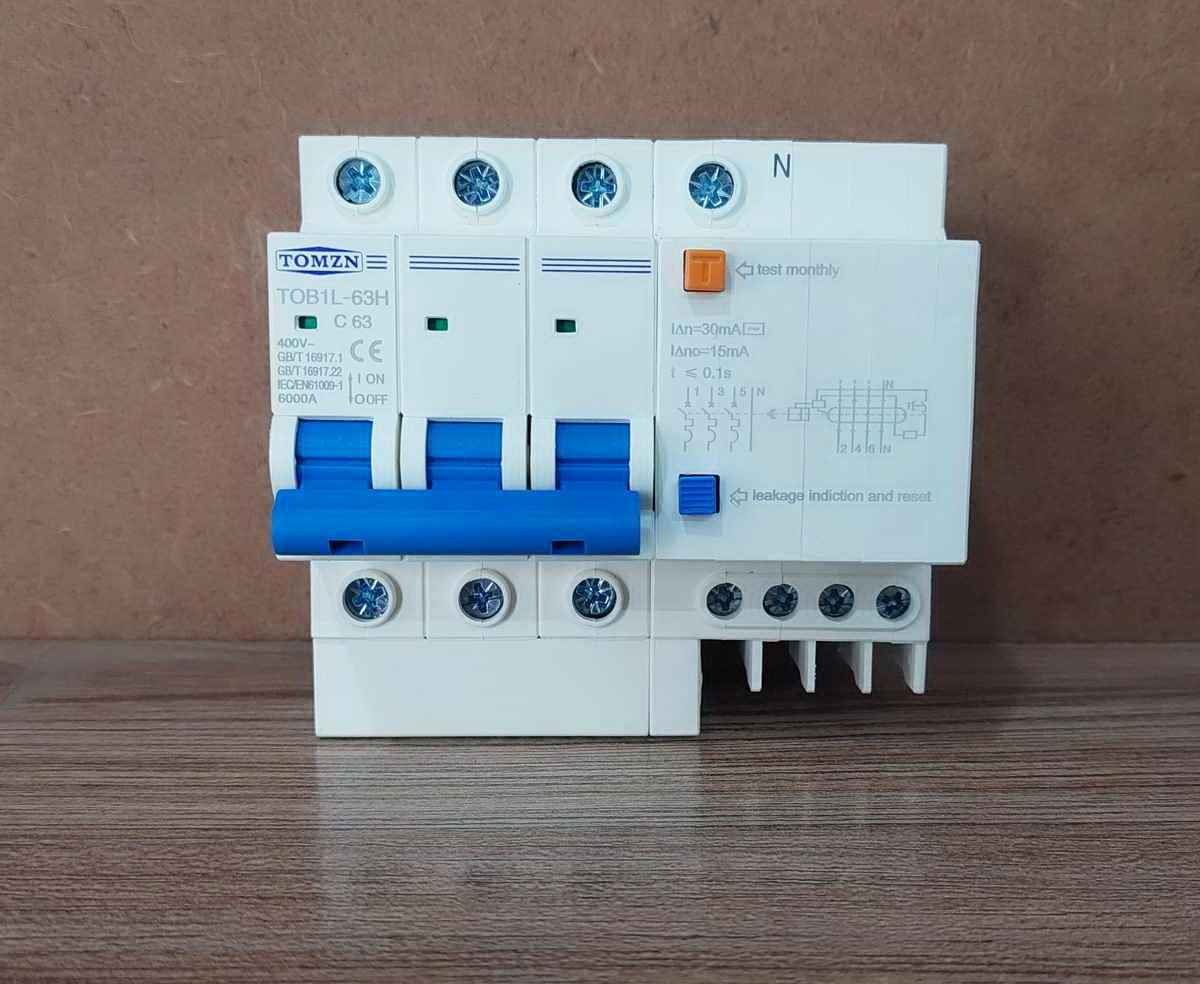
Modern electrical systems rely on organized power distribution to supply electricity safely and efficiently to different areas, appliances, and equipment. Whether in a residential property, commercial building, or industrial facility, electrical installations need a central location where incoming power can be distributed and protected. Without a properly designed distribution arrangement, electrical faults can become difficult to isolate, increasing the risk of equipment damage and safety hazards.
A circuit breaker panel serves as a central point for managing and protecting electrical circuits throughout a building or facility. It contains protective devices, busbars, wiring connections, and other essential components that help distribute electricity and disconnect circuits when abnormal conditions occur. Understanding how a Circuit Breaker Panel works and what its main components do can help property owners, electricians, and facility managers make informed decisions about electrical safety and system maintenance.
What Is a Circuit Breaker Panel?
A circuit breaker panel, also known as an electrical distribution panel or breaker box, is an enclosure that receives electrical power from an incoming supply and distributes it to individual branch circuits.
Each branch circuit supplies a specific group of electrical loads, such as lighting, socket outlets, kitchen appliances, machinery, or HVAC equipment. Circuit breakers inside the panel protect these circuits by interrupting the electrical supply when excessive current or certain fault conditions occur.
The panel also provides a centralized location for switching, organizing, and maintaining electrical distribution equipment.
Depending on the installation, a building may contain a main distribution panel, subpanels, or several distribution boards serving different floors, departments, or equipment areas.
Main Components of a Circuit Breaker Panel
A circuit breaker panel contains several components that work together to distribute power and protect electrical circuits.
1. Main Circuit Breaker
The main circuit breaker controls the incoming electrical supply to the panel. It allows the entire panel to be disconnected when necessary and provides overcurrent protection when the device is designed and rated for that purpose.
Its current rating and interrupting capacity must be appropriate for the electrical service and installation requirements.
2. Branch Circuit Breakers
Branch circuit breakers protect individual circuits connected to the panel.
They are designed to disconnect a circuit when an overload or short circuit occurs. Different breaker ratings and characteristics are selected according to the connected load, conductor size, and circuit design.
Common examples include:
- Lighting circuit breakers.
- Socket outlet circuit breakers.
- Appliance circuit breakers.
- HVAC circuit breakers.
- Equipment and machinery circuit breakers.
3. Busbars
Busbars are conductive metal components that distribute electrical power from the incoming supply to individual circuit breakers.
They provide organized electrical connections within the panel and are designed to carry current within specified limits.
Proper busbar sizing, insulation, and connection quality are essential for safe and reliable operation.
4. Neutral Bar
The neutral bar provides connection points for neutral conductors from the outgoing circuits.
Its arrangement depends on the electrical system and the panel’s design. In installations with residual-current protection, neutral connections must be correctly arranged to ensure that protective devices operate as intended.
5. Grounding or Earth Bar
The grounding bar provides connection points for protective earth conductors.
These conductors connect exposed conductive parts of electrical equipment to the installation’s protective earthing system. A properly designed earthing arrangement helps provide a path for fault current and supports the operation of protective devices.
Neutral and earth connections must follow the applicable electrical system design and regulations. They should not be connected together indiscriminately inside distribution panels.
6. Panel Enclosure
The enclosure houses and protects the panel’s internal components.
It helps prevent accidental contact with energized parts and provides protection against environmental influences according to its specified enclosure rating.
Enclosures are available in different materials, sizes, and protection levels to suit indoor, outdoor, and industrial applications.
7. Internal Wiring and Terminals
Internal conductors and terminals connect the incoming supply, busbars, breakers, and outgoing circuits.
Correct conductor sizing, insulation, terminal compatibility, and tightening torque are important for preventing overheating and maintaining reliable electrical connections.
How Does a Circuit Breaker Panel Work?
A circuit breaker panel receives electricity from the main supply and distributes it to the circuits throughout a building.
Its operation can be understood through several stages.
1. Receiving Incoming Power
Electricity enters the panel through incoming service conductors or a feeder from an upstream distribution system.
The supply configuration may be single-phase or three-phase, depending on the building’s electrical requirements.
2. Distributing Electricity Through Busbars
The incoming supply connects to the panel’s distribution arrangement.
Busbars distribute power to the branch circuit breakers, which control the electricity supplied to individual circuits.
3. Supplying Connected Loads
When a circuit breaker is switched on, electricity flows through the protected circuit to its connected appliances or equipment.
Each branch circuit is designed to operate within specified electrical limits.
4. Detecting Abnormal Current Conditions
If a circuit experiences an overload or short circuit, the protective mechanism inside the corresponding breaker responds to the abnormal current.
Some panels may also contain residual-current devices that detect leakage current and provide additional protection against certain electric shock hazards.
5. Disconnecting the Faulty Circuit
When a protective device reaches its operating threshold, it opens its contacts and interrupts the affected circuit.
In a properly coordinated installation, the protective device closest to the fault should operate where possible, helping prevent unnecessary interruption to other circuits.
Main Functions of a Circuit Breaker Panel
A well-designed electrical panel performs several important functions.
Power Distribution
The panel distributes incoming electricity to multiple circuits throughout a property.
This arrangement allows different electrical loads to receive power through dedicated circuits with suitable protective devices.
Overload Protection
An overload occurs when a circuit carries more current than it is designed to handle for an extended period.
Circuit breakers with appropriate overload protection disconnect the circuit before excessive current causes dangerous overheating.
Short-Circuit Protection
A short circuit occurs when conductors with different electrical potentials make an unintended low-impedance connection.
This can produce extremely high current. A correctly rated circuit breaker interrupts the fault to help limit damage to cables, equipment, and electrical components.
Electrical Isolation
The panel provides switching devices that allow individual circuits or the entire distribution system to be disconnected when necessary.
This is useful during maintenance, repairs, and certain emergency situations. Safe isolation must still follow approved procedures, including verification that the circuit is de-energized.
Circuit Organization
By separating electrical loads into individual circuits, a panel makes the installation easier to manage and maintain.
For example, lighting, kitchen appliances, air conditioning, and other major loads can be supplied through appropriately designed circuits.
Support for Additional Protection
A distribution panel can accommodate devices such as RCCBs, RCBOs, and surge protective devices where required by the installation design.
These devices provide protective functions beyond basic overload and short-circuit protection.
Types of Circuit Breakers Used in Electrical Panels
Different circuit breakers are used depending on the electrical load, fault level, and protection requirements.
Miniature Circuit Breaker (MCB)
An MCB is commonly used to protect residential and smaller commercial branch circuits against overloads and short circuits.
It is compact and available in different current ratings and trip characteristics.
Molded Case Circuit Breaker (MCCB)
An MCCB is generally used for higher-current applications and larger distribution circuits.
Depending on the model, it may offer higher breaking capacity and adjustable thermal-magnetic or electronic protection settings.
Residual Current Circuit Breaker (RCCB)
An RCCB detects residual current by monitoring the difference between outgoing and returning current.
It disconnects the circuit when the detected imbalance reaches its specified operating threshold. An RCCB does not provide overload or short-circuit protection, so it must be coordinated with suitable overcurrent protection.
Residual Current Breaker with Overcurrent Protection (RCBO)
An RCBO combines residual-current protection with overload and short-circuit protection.
It can provide multiple protective functions for an individual circuit in one device.
Surge Protective Device (SPD)
An SPD helps protect electrical equipment against transient overvoltages caused by events such as lightning-related surges or switching operations.
It is installed and coordinated according to the electrical system design and applicable standards.
Circuit Breaker Panel vs. Fuse Box
Although both devices distribute and protect electrical circuits, their protective components operate differently.
| Feature | Circuit Breaker Panel | Traditional Fuse Box |
|---|---|---|
| Protective device | Resettable circuit breakers | Replaceable fuses |
| Response to overcurrent | Opens the breaker contacts | Melts the fuse element |
| Restoration after operation | Breaker can be reset after fault correction | Fuse must be replaced |
| Circuit management | Supports modern modular protective devices | Depends on fuse arrangement |
| Additional protection | Can accommodate RCCBs, RCBOs, and SPDs | Depends on the system design |
| Maintenance | Requires inspection and testing | Requires fuse inspection and replacement |
Circuit breakers offer convenient resetting, but a tripped breaker should never be reset repeatedly without identifying the cause of the fault.
Residential Applications of Circuit Breaker Panels
Residential panels distribute electricity to the different areas and equipment within a home.
Common applications include:
- Lighting circuits.
- General-purpose socket outlets.
- Kitchen appliances.
- Water heaters.
- Washing machines and dryers.
- Air-conditioning systems.
- Outdoor lighting and electrical outlets.
Larger appliances may require dedicated circuits based on their current demand and manufacturer requirements.
Suitable residual-current protection is also important for circuits and locations where it is required by applicable electrical regulations.
Commercial and Industrial Applications
Commercial and industrial facilities often have more complex electrical distribution requirements than residential properties.
Office Buildings
Office panels distribute power to computers, lighting, printers, communication equipment, and HVAC systems.
Separating these loads into suitable circuits helps organize electrical distribution and simplifies maintenance.
Shopping Centers and Hotels
Large commercial properties may use multiple distribution panels to serve different floors, tenant areas, kitchens, lighting systems, and mechanical equipment.
Proper circuit organization helps facility managers isolate faults and maintain essential services.
Manufacturing Facilities
Factories use electrical panels to distribute power to production machinery, motors, pumps, conveyors, and control systems.
The selection of protective devices must account for equipment starting characteristics, operating currents, and prospective fault levels.
Warehouses and Industrial Workshops
Warehouses and workshops often require power for lighting, material-handling equipment, ventilation, and machinery.
Suitable panels help manage these loads while providing organized circuit protection.
Important Factors When Choosing a Circuit Breaker Panel
Selecting the correct panel is essential for safe electrical distribution and future system flexibility.
1. Electrical Load Requirements
Calculate the expected demand of the connected circuits before selecting a panel.
Consider the number of appliances, equipment ratings, operating schedules, and possible future loads.
2. Number of Circuits
The panel should have enough spaces for the required circuit breakers and suitable spare capacity for future expansion.
A panel that is too small may create difficulties when additional circuits are needed.
3. Supply Configuration
Determine whether the installation uses a single-phase or three-phase supply.
The panel, busbars, and protective devices must be compatible with the electrical system.
4. Rated Current and Voltage
The panel and its components must be suitable for the installation’s operating current and voltage.
The ratings of the main protective device, busbars, conductors, and branch breakers should be coordinated.
5. Short-Circuit Rating
The panel assembly must be suitable for the prospective short-circuit current at its installation point.
The breaking capacities of individual circuit breakers and the panel’s applicable short-circuit ratings must be evaluated as part of the overall design.
6. Enclosure Protection
Consider the installation environment, including temperature, dust, humidity, and possible exposure to water.
The enclosure should provide an appropriate degree of protection for its intended location.
7. Future Expansion
Residential and commercial electrical demands may increase over time.
Allowing suitable spare capacity can make it easier to add new circuits or equipment without replacing the entire panel.
8. Standards and Certifications
Choose panels and protective devices that meet the relevant electrical standards and certification requirements.
Product documentation should clearly identify ratings, installation conditions, and compatibility requirements.
Circuit Breaker Panel Installation Best Practices
Correct installation is essential for the safe and reliable operation of an electrical distribution panel.
- Use qualified electricians: Panel installation and wiring should be performed by competent electrical professionals.
- Follow manufacturer instructions: Observe mounting requirements, terminal specifications, and conductor limitations.
- Label every circuit: Clear identification helps users and maintenance personnel locate the correct breaker.
- Maintain suitable working space: Keep the area around the panel accessible and free from obstructions.
- Use correctly rated conductors: Cable sizes must match circuit current requirements and installation conditions.
- Verify protective device coordination: Ensure that breakers and other protective devices work together appropriately.
- Check earthing and bonding: Confirm that protective conductors and bonding arrangements meet applicable regulations.
- Inspect connections: Loose terminals and damaged wiring can cause overheating and unreliable operation.
Electrical panels should not be opened or modified by unqualified individuals. Work on energized equipment presents serious risks and must be controlled through appropriate safety procedures.
Maintenance Tips for Long-Term Panel Performance
Routine inspection helps identify developing problems before they cause equipment failure or safety hazards.
Look for Signs of Overheating
Discoloration, burning smells, unusual noise, or visible damage may indicate overheating or a faulty connection.
Any suspected issue should be investigated by a qualified electrician.
Keep the Panel Clean and Dry
Dust, moisture, and contamination can affect electrical components.
The enclosure and surrounding area should be maintained according to the manufacturer’s requirements.
Check Circuit Labels
Circuit descriptions should remain accurate as electrical systems change.
Update labels whenever circuits are modified or new equipment is installed.
Test Protective Devices
RCCBs and RCBOs should be tested according to manufacturer instructions and applicable electrical regulations.
The built-in test button checks the basic tripping function but does not replace professional instrument-based testing.
Arrange Professional Inspections
Periodic inspection can help identify deteriorating components, loose connections, incorrect wiring, and other potential problems.
The inspection frequency should reflect the installation type, operating conditions, and applicable requirements.
Common Signs That a Circuit Breaker Panel Needs Attention
Certain warning signs indicate that a panel may require professional inspection or replacement.
These include:
- Circuit breakers that trip frequently without an obvious explanation.
- Burning smells or unusual sounds coming from the panel.
- Visible corrosion, moisture, or physical damage.
- Breakers that feel unusually hot or show signs of discoloration.
- Insufficient circuit capacity for additional electrical equipment.
- Outdated components that no longer meet current installation requirements.
- Loose or damaged enclosure covers and internal components.
Frequent tripping should not be treated as a minor inconvenience. It may indicate overloads, short circuits, leakage faults, or other electrical problems.
Conclusion
A circuit breaker panel is an essential part of modern electrical infrastructure. It distributes incoming power, organizes individual circuits, and provides a central location for protective devices that respond to overloads, short circuits, and other specified electrical faults.
Its performance depends on the quality of its components, correct device selection, appropriate circuit organization, and professional installation. Regular inspections and maintenance also help identify developing problems and maintain reliable operation.
Whether used in a home, office, commercial property, or industrial facility, a properly designed and maintained electrical panel supports safer power distribution, easier fault isolation, and the flexibility needed to accommodate changing electrical demands.