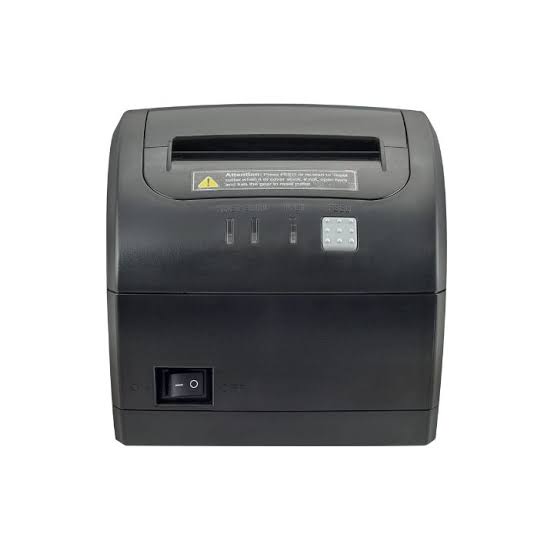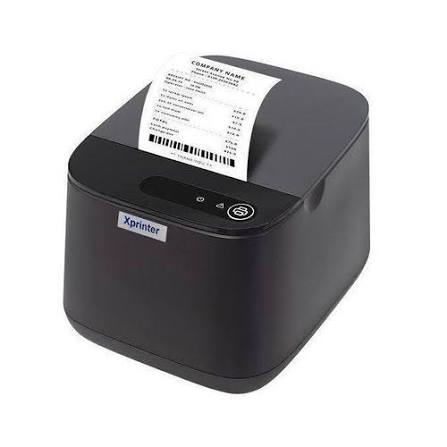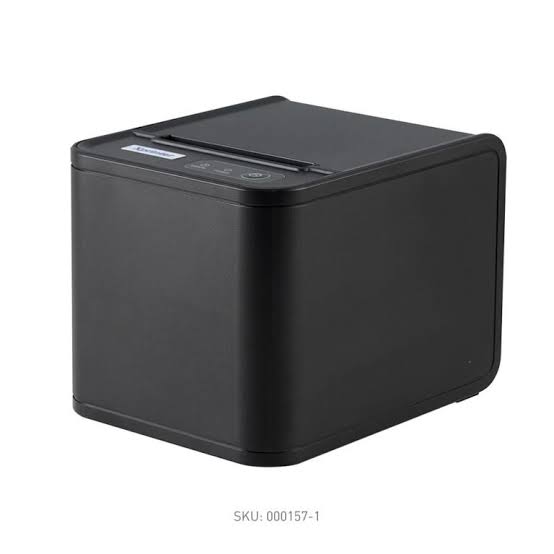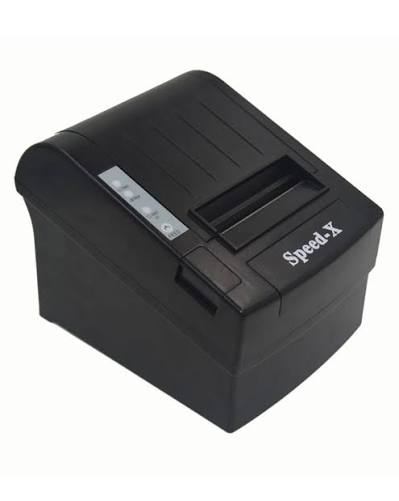
Printing technology plays an important role in modern business operations. Organizations across different industries rely on printed receipts, product labels, shipping documents, identification tags, and transaction records to manage their daily activities. As businesses look for faster and more reliable ways to handle these tasks, thermal printing has become a widely adopted solution.
A Thermal Printer uses heat to produce text, graphics, barcodes, and other information on compatible paper or label materials. Its ability to support different printing requirements makes it useful in environments where speed, accuracy, and operational convenience are important. From retail stores and restaurants to healthcare facilities and manufacturing plants, thermal printers help organizations improve documentation and streamline workflows.
1. Retail Industry
Retail businesses are among the most common users of thermal printing technology. Supermarkets, clothing stores, convenience shops, and shopping centers process numerous customer transactions every day, making efficient receipt printing essential.
Thermal receipt printers connect with point-of-sale (POS) systems to generate transaction records after payments are completed. These receipts may include product descriptions, prices, taxes, payment methods, and return information.
Retailers also use thermal printers to produce:
- Product price labels
- Barcode stickers
- Shelf identification labels
- Promotional tags
- Inventory tracking labels
Fast and consistent printing helps retail employees manage checkout activities and product identification more efficiently.
2. Food and Restaurant Industry
Restaurants, cafes, bakeries, and fast-food outlets depend on accurate communication between customer service staff and kitchen employees. Thermal printers support this process by producing order tickets and transaction receipts.
In restaurants, kitchen printers can receive order information directly from POS terminals. Printed tickets help kitchen staff identify requested dishes, quantities, special instructions, and table numbers.
Common restaurant applications include:
- Kitchen order tickets
- Customer payment receipts
- Takeaway order labels
- Food packaging identification
- Delivery order documentation
Some businesses also use specialized label printers to identify prepared food with production dates, expiration information, or storage instructions. The selected printing materials must be suitable for the relevant food-service environment.
3. Healthcare and Medical Facilities
Healthcare organizations require accurate documentation to support patient identification, sample management, medication handling, and administrative activities.
Thermal printers are commonly used in hospitals, laboratories, pharmacies, and clinics to produce identification labels and other records.
Typical applications include:
Patient identification: Printing wristband information and labels used in patient management systems.
Laboratory labeling: Producing labels for blood collection tubes, specimen containers, and sample tracking.
Pharmacy operations: Printing medication labels containing dosage instructions and other relevant information.
Medical documentation: Producing appointment tickets, receipts, and administrative records.
Healthcare printing systems must meet appropriate requirements for readability, durability, privacy, and compatibility with medical software. Labels should remain legible throughout their intended use.
4. Logistics and Transportation
Logistics companies handle large volumes of packages, shipments, and delivery records. Accurate labeling is essential because every package must be identified and directed to the correct destination.
Thermal printers help logistics providers produce shipping labels containing delivery addresses, tracking numbers, barcodes, and handling instructions.
These labels allow employees to scan packages at different stages of transportation and update shipment information in compatible tracking systems.
Common applications include:
- Shipping and courier labels
- Parcel tracking barcodes
- Warehouse identification tags
- Delivery documentation
- Package handling labels
- Freight identification records
By automating label production, logistics businesses can reduce manual writing and support more organized shipment processing.
5. Manufacturing Industry
Manufacturing facilities manage raw materials, production processes, finished products, and quality control activities. Identifying individual components and products is important for maintaining accurate records throughout the production cycle.
Thermal printing supports manufacturing operations by producing labels that display product codes, batch numbers, serial numbers, production dates, and other identification details.
Manufacturers may use these labels for:
- Raw material identification
- Work-in-progress tracking
- Finished product labeling
- Equipment identification
- Quality control records
- Component traceability
Thermal transfer printers are particularly useful when labels must withstand challenging conditions. With suitable ribbons and materials, they can produce durable labels for applications involving abrasion, moisture, chemicals, or temperature variations.
6. Warehousing and Inventory Management
Warehouses store products from different suppliers and distribute them to retail locations, businesses, or individual customers. Effective inventory management requires accurate identification of products, storage locations, and shipments.
Thermal printers help warehouse employees create barcode labels for shelves, cartons, pallets, and individual products.
When integrated with warehouse management systems, printed labels support barcode scanning and inventory updates. Employees can identify products quickly and record stock movements without repeatedly entering long product codes manually.
Important warehouse applications include:
- Shelf and storage location labels
- Product identification stickers
- Pallet labels
- Picking and packing labels
- Stock management barcodes
- Return processing labels
These applications help businesses organize storage areas and improve inventory visibility.
7. Banking and Financial Services
Banks and financial institutions process transactions that require accurate documentation. Thermal printers are used in various banking applications, particularly where compact, fast printing is needed.
Common examples include:
- ATM transaction receipts
- Queue management tickets
- Payment confirmation slips
- Deposit and withdrawal records
- Customer service receipts
ATM printers produce transaction information after customers complete activities such as cash withdrawals or balance inquiries. Queue ticket printers also help financial institutions organize customer visits and manage service counters.
Reliable printing is important because transaction records must remain readable and contain accurate information.
8. E-Commerce and Online Retail
The growth of online shopping has increased the demand for efficient order fulfillment and shipping operations. E-commerce businesses must process orders, prepare packages, and generate delivery labels within short timeframes.
Thermal printers support these activities by producing shipping labels directly from order management and courier platforms.
When connected to compatible software, they can automatically print customer addresses, tracking numbers, order references, and barcodes.
E-commerce businesses commonly use thermal printers for:
- Shipping labels
- Return address labels
- Product identification
- Order packing stickers
- Warehouse inventory labels
- Promotional packaging information
This automation helps online retailers process orders more consistently, especially during seasonal sales and high-demand periods.
9. Hospitality and Hotel Management
Hotels, resorts, and other hospitality businesses handle guest registrations, payments, reservations, and service requests. Printing equipment supports several administrative and customer-facing activities.
Thermal printers are used to produce receipts, reservation documents, queue tickets, and service records.
For example, hotel reception desks may use receipt printers to generate payment confirmations. Restaurants within hotels can use kitchen printers to communicate food orders, while parking facilities may print entry or payment tickets.
Their compact designs also make many thermal printer models suitable for reception counters and other areas where workspace is limited.
10. Education and Academic Institutions
Schools, colleges, universities, and training centers use printing technology to manage administrative activities and student services.
Thermal printers can produce identification labels, library labels, payment receipts, examination tickets, and queue management slips.
Libraries may use barcode labels to identify books and track borrowing activities. Administrative offices can print receipts for fees and other payments, while campus facilities can generate visitor or service tickets.
These applications help educational institutions organize records and manage routine administrative processes.
11. Travel and Tourism Industry
Airports, railway stations, bus terminals, and travel agencies handle large numbers of passengers. Printing equipment is essential for producing tickets and travel-related documents.
Thermal printers are widely used in passenger service environments because they can produce compact printed records quickly.
Common applications include:
- Boarding passes
- Airline and railway tickets
- Baggage identification tags
- Reservation confirmations
- Parking tickets
- Passenger queue receipts
Some travel systems use specialized thermal ticket printers designed to work with particular ticket materials and transportation software.
12. Automotive Industry
Automotive manufacturers, repair centers, dealerships, and spare parts distributors manage large inventories of components and service records.
Thermal printers help these organizations identify parts, track stock, and organize maintenance documentation.
For example, automotive warehouses can print barcode labels for replacement parts, while repair centers can produce service identification tags and work-order labels.
Additional applications include:
- Vehicle component identification
- Spare parts inventory labels
- Maintenance tracking labels
- Service receipts
- Warranty documentation
- Shipment identification
Durable thermal transfer labels can be useful when identification information must remain readable under demanding storage or operating conditions.
13. Agriculture and Food Production
Agricultural businesses and food processing facilities manage products that move through harvesting, processing, storage, packaging, and distribution.
Thermal printers support product identification and traceability by producing labels containing batch numbers, packaging dates, product codes, and other relevant information.
Food producers may use thermal labels for cartons, storage containers, and shipping packages. Agricultural suppliers can also print labels for equipment parts, seeds, fertilizers, and inventory items.
Material selection is particularly important in these environments. Labels may need to withstand moisture, temperature changes, handling, and storage conditions.
14. Entertainment and Event Management
Concert venues, cinemas, stadiums, exhibition centers, and amusement parks need organized systems for ticket distribution and visitor management.
Thermal printers can produce admission tickets, queue numbers, parking receipts, and identification labels.
Printed tickets may include event details, seat information, entry codes, or barcodes that can be scanned at access points.
Event organizers benefit from efficient ticket production because it helps manage visitor flow and reduces reliance on handwritten records.
15. Government and Public Service Organizations
Government departments and public service offices handle applications, payments, registrations, and other administrative activities that require accurate records.
Thermal printers can support these operations by producing queue tickets, payment receipts, application slips, and identification labels.
Public service counters may use ticket printers to organize visitors, while parking and transportation departments can generate transaction records.
The ability to integrate with administrative software makes thermal printing useful for improving consistency in routine documentation.
16. Direct Thermal and Thermal Transfer Applications
Different industries require different levels of print durability and media compatibility. Understanding the two main thermal printing technologies helps businesses select appropriate equipment.
Direct Thermal Printing
Direct thermal technology uses heat-sensitive paper or labels that darken when exposed to the printhead’s heat.
It is commonly used for:
- Retail receipts
- Temporary shipping labels
- Queue tickets
- Short-term product labels
- Certain transportation tickets
Because it does not require a ribbon, direct thermal printing can simplify consumable management. However, printed images may be affected by heat, sunlight, and other environmental conditions.
Thermal Transfer Printing
Thermal transfer technology uses heat to transfer ink from a ribbon onto a compatible material.
It is suitable for applications requiring longer-lasting printed information, including:
- Industrial product labels
- Asset identification tags
- Chemical identification labels
- Equipment tracking
- Durable warehouse labels
The final durability depends on the combination of ribbon, label material, and environmental exposure.
17. Factors to Consider When Selecting an Industrial Thermal Printer
Businesses should evaluate their operational requirements before purchasing thermal printing equipment. A printer designed for low-volume receipt printing may not be suitable for continuous industrial label production.
Important selection factors include:
- Printing volume: Choose equipment capable of handling expected daily workloads.
- Resolution: Consider whether standard or higher-resolution output is necessary.
- Printing speed: Match output speed with transaction or labeling requirements.
- Media compatibility: Confirm support for the required paper, label, and ribbon types.
- Connectivity: Check USB, Ethernet, Bluetooth, or Wi-Fi options.
- Software integration: Ensure compatibility with existing POS, warehouse, or enterprise systems.
- Operating environment: Consider dust, moisture, temperature, and other workplace conditions.
- Maintenance: Review cleaning procedures, replacement parts, and technical support.
Testing a printer with actual business documents and materials can help confirm that it meets operational expectations.
Conclusion
Thermal printers have become important tools across industries because they support fast, consistent, and convenient printing for a wide range of business applications. Retailers use them for receipts and product labels, healthcare facilities rely on them for identification and specimen labeling, and logistics companies use them to manage shipping and package tracking.
Their usefulness extends to manufacturing, banking, education, hospitality, agriculture, transportation, and public services. By selecting the right printing technology, resolution, connectivity, and media, businesses can improve documentation processes and support more organized daily operations.