Modern retail and hospitality businesses depend on efficient technology to manage transactions, coordinate employees, and deliver reliable customer service. From supermarket checkout counters to restaurant kitchens and hotel reception desks, printing equipment remains an important part of daily operations. Receipts, order tickets, product labels, and transaction records help businesses maintain accurate information and organize their workflows.
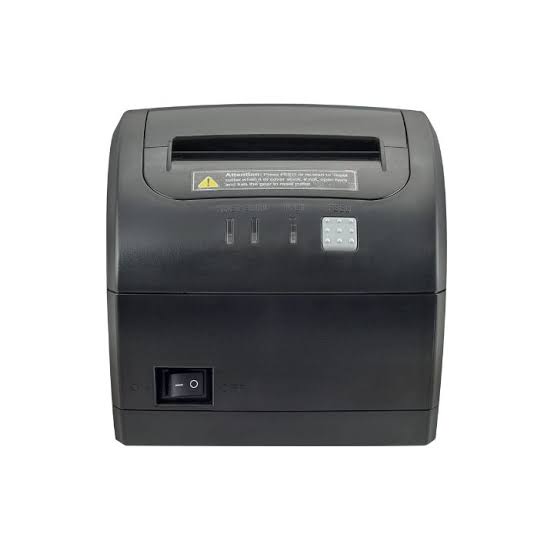
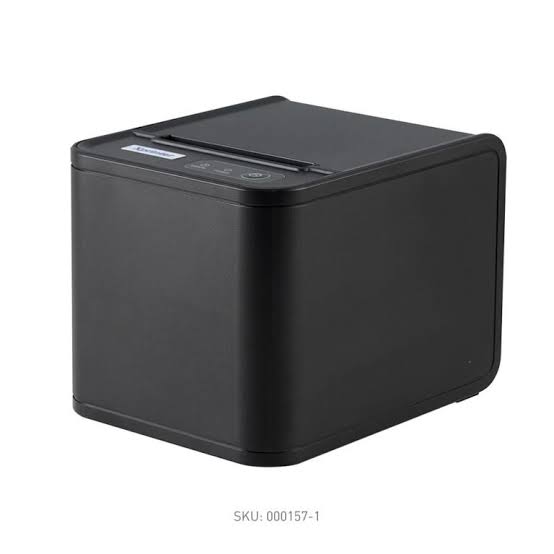
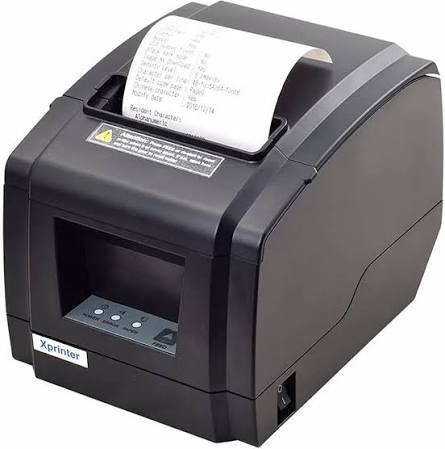
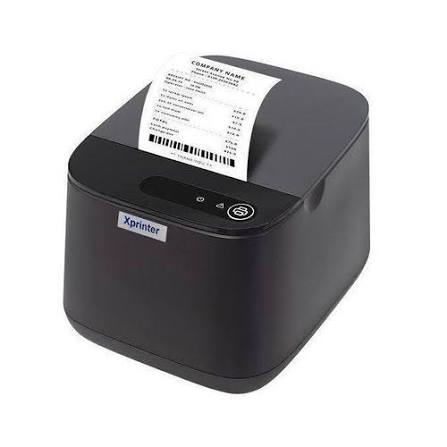
Thermal printing technology has become a practical solution for these requirements because it supports fast printing and convenient operation. An Xprinter Thermal Printer can serve different commercial environments by supporting receipt, label, and other specialized printing applications. Understanding its role in retail and hospitality operations provides useful insight into how businesses can improve everyday efficiency.
1. Supporting Faster Retail Checkout Operations
Checkout efficiency is a major priority for retail businesses. During busy shopping periods, employees must process purchases quickly while ensuring that customers receive accurate transaction information.
Thermal receipt printers help simplify this process by producing receipts directly from connected point-of-sale (POS) systems. Once a payment is completed, the system sends transaction details to the printer, which generates the required document.
Fast receipt production can help retailers:
- Reduce unnecessary checkout delays.
- Maintain smoother transaction workflows.
- Provide customers with purchase records.
- Support consistent service during peak hours.
- Improve coordination between checkout equipment.
These capabilities are particularly useful in supermarkets, convenience stores, department stores, and smaller retail outlets.
2. Improving Restaurant Order Management
Restaurants handle several activities simultaneously, including accepting orders, preparing meals, processing payments, and coordinating service staff.
Thermal printers can support these operations by producing kitchen tickets and customer receipts. When connected to a restaurant POS system, they can automatically print order information after employees enter customer selections.
Kitchen printing can include details such as:
- Food and beverage items.
- Quantity and portion information.
- Special preparation instructions.
- Table or order identification.
- Order time and reference numbers.
Separate printing stations can help distribute orders between different kitchen sections. This may reduce communication difficulties and support more organized food preparation.
3. Generating Accurate Customer Receipts
Receipts provide important information about purchases and completed transactions. They allow customers to review what they bought, confirm payment details, and retain documentation for future reference.
Retail and hospitality businesses commonly use thermal printers to produce receipts containing:
- Business names and contact information.
- Product or service descriptions.
- Individual prices.
- Taxes and applicable discounts.
- Payment methods.
- Transaction dates and reference numbers.
Clear receipt printing helps businesses maintain professional transaction records while supporting customer service activities such as returns, refunds, and billing inquiries.
4. Supporting Hotel Front Desk Operations
Hotels and other accommodation providers manage numerous administrative activities throughout the day. Reception employees handle reservations, payments, additional service charges, and customer inquiries.
Printing equipment can help generate transaction receipts, service records, and other operational documents.
Thermal receipt printers are useful for hotel restaurants, cafés, parking facilities, and other departments that process frequent payments.
In larger hospitality establishments, connected printing systems can also help distribute transaction information between authorized workstations.
5. Simplifying Inventory Identification in Retail Stores
Inventory management is essential for retailers that handle large product collections. Employees need reliable methods to identify merchandise, organize storage areas, and monitor stock movement.
Thermal label printers can generate product labels containing barcodes, product codes, prices, and other identification details.
When integrated with inventory management software, these labels help employees retrieve product information through scanning instead of entering details manually.
Common applications include:
- Product identification labels.
- Shelf and storage labels.
- Stock-keeping unit (SKU) codes.
- Price tags.
- Warehouse location labels.
Consistent labeling can improve inventory organization and make stock management more efficient.
6. Reducing Dependence on Ink and Toner
One advantage of direct thermal printing is that it does not require traditional ink cartridges or toner.
Instead, the printer uses heat-sensitive paper that develops visible marks when exposed to controlled temperatures. This reduces the number of consumables businesses need to manage.
For retail stores and restaurants that print receipts throughout the day, fewer consumable replacement tasks can simplify routine operations.
However, thermal paper still needs regular replacement, and thermal transfer printers require compatible ribbons. Businesses should consider these differences when estimating operating expenses.
7. Supporting Online Orders and Delivery Services
Many retail and hospitality businesses now manage both physical and online transactions. Restaurants receive takeaway orders through digital platforms, while retailers process purchases through e-commerce websites and delivery services.
Thermal printing can support these workflows by producing order tickets, package labels, and transaction documentation.
For example, a restaurant may print incoming delivery orders directly in its kitchen. A retail warehouse may generate shipping labels containing package identification and delivery information.
When printing equipment is compatible with the relevant software, it can help reduce manual documentation and support more organized order fulfillment.
8. Improving Communication Between Employees
Retail and hospitality operations involve multiple employees performing different responsibilities. Cashiers, kitchen staff, warehouse workers, receptionists, and service teams often need access to accurate information.
Printed documents can provide a convenient way to communicate essential instructions and transaction details.
For instance, a restaurant order ticket can communicate customer selections to kitchen employees, while a retail label can help warehouse staff identify the correct product.
Network-connected printing equipment may also allow authorized employees to send printing requests from different workstations.
This can reduce unnecessary communication delays and support more coordinated operations.
9. Compact Designs for Busy Commercial Environments
Space management is important in retail stores and hospitality facilities. Checkout counters, reception desks, restaurant service stations, and kitchen workspaces often contain several devices.
Compact thermal printers can fit into these environments without occupying excessive space.
Depending on the model, businesses may also find portable printing options useful for mobile transactions, delivery services, and temporary service stations.
Selecting equipment with suitable dimensions helps maintain organized workspaces and improves accessibility for employees.
10. Flexible Connectivity with Business Systems
Modern businesses rely on interconnected software and hardware to manage transactions and operational information.
Thermal printers may offer several connectivity options, depending on their specifications.
Common interfaces include:
USB: Provides a direct connection to compatible computers and POS terminals.
Ethernet: Supports network-based printing across authorized workstations.
Bluetooth: Allows communication with compatible mobile devices and tablets.
Wi-Fi: Provides wireless network connectivity for supported equipment.
Serial: Supports integration with certain older commercial systems.
Before installation, businesses should verify operating system support, printer drivers, and compatibility with their POS or hospitality management software.
11. Helping Businesses Manage Operating Costs
Operational expenses influence equipment purchasing decisions, particularly for businesses that print frequently.
Thermal printing can reduce certain costs because direct thermal printers do not require ink or toner. Their printing mechanisms can also simplify some routine maintenance activities.
However, the total cost of ownership depends on several factors:
- Initial equipment investment.
- Thermal paper and label consumption.
- Ribbon requirements for thermal transfer models.
- Printhead and roller replacement.
- Maintenance and servicing.
- Electricity consumption.
Retail and hospitality businesses should compare these expenses with their expected printing volume to determine whether a particular printer is economically suitable.
12. Supporting Different Hospitality Applications
Thermal printing has applications beyond restaurants and hotel reception desks. Various hospitality businesses use printing equipment to manage customer transactions and operational documentation.
Cafés and Coffee Shops
Cafés use thermal receipt printers to generate customer bills and kitchen tickets. Fast printing helps employees coordinate orders during busy service periods.
Food Delivery Businesses
Delivery-focused restaurants use thermal printing to organize incoming orders, prepare packages, and generate transaction records.
Hotels and Resorts
Hotels may use receipt printers for restaurant billing, parking payments, and other service transactions.
Event and Entertainment Venues
Event facilities can use suitable thermal printing equipment to produce tickets, entry documents, and transaction records.
These applications demonstrate the flexibility of thermal printing across different service environments.
13. Maintaining Printing Equipment for Consistent Performance
Frequent use makes regular maintenance important for retail and hospitality printing equipment.
Dust, paper residue, and adhesive buildup can affect print quality and interfere with internal components.
Businesses can maintain consistent performance by following several basic practices:
- Clean the thermal printhead according to manufacturer recommendations.
- Inspect the platen roller and paper-feeding mechanism.
- Use compatible thermal paper and label materials.
- Remove dust and debris from the paper compartment.
- Check cables and wireless connections.
- Replace worn components when necessary.
- Keep equipment away from excessive heat and moisture.
Employees should also receive basic training on paper replacement, error notifications, and routine troubleshooting.
14. Factors to Consider When Selecting Thermal Printers
Not every thermal printer is suitable for every business application. Retailers and hospitality providers should compare available models based on their operational requirements.
Important factors include:
- Printing purpose: Determine whether the device will produce receipts, kitchen tickets, barcodes, or labels.
- Printing speed: Consider the number of transactions or orders processed daily.
- Print resolution: Check whether the output needs to support detailed text or small barcodes.
- Paper compatibility: Verify supported paper widths, roll sizes, and media specifications.
- Connectivity: Ensure compatibility with existing computers, mobile devices, and POS systems.
- Physical design: Select equipment that fits the available workspace.
- Maintenance support: Review cleaning requirements, replacement parts, and technical documentation.
A careful evaluation helps businesses choose printing equipment that supports their daily operations without unnecessary complexity.
Conclusion
Thermal printers play an important role in modern retail and hospitality businesses by supporting checkout transactions, restaurant order management, inventory identification, and customer documentation. Their fast printing capabilities, compact designs, and reduced dependence on traditional ink-based consumables make them practical for many commercial environments.
However, successful integration depends on selecting equipment that matches the business’s printing volume, software requirements, media specifications, and working conditions. With appropriate selection and regular maintenance, thermal printing technology can help retailers and hospitality providers organize daily activities, support employees, and deliver more consistent customer service.