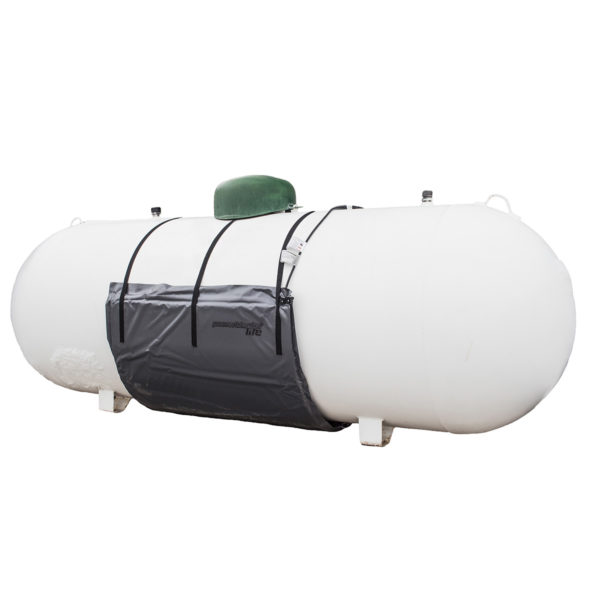
Many industrial materials require controlled temperatures to remain suitable for storage, processing, and transportation. Liquids such as bitumen, heavy oils, chemicals, and certain manufacturing compounds can become too viscous, lose important properties, or become difficult to transfer when exposed to unsuitable temperatures. In colder environments, maintaining consistent heat becomes particularly important for preventing operational delays and protecting product quality.
Industrial Tank Warmers provide controlled heating to help keep stored liquids and materials within their required temperature ranges. Depending on the application, these systems may use electric heating elements, thermal oil circulation, steam, or other heating methods. Understanding their operating principles, applications, and selection requirements helps businesses choose suitable solutions for reliable industrial temperature management.
What Are Industrial Tank Warmers?
Tank warmers are heating systems designed to maintain or increase the temperature of materials stored inside industrial tanks. They can be integrated into new storage installations or added to existing equipment when additional temperature control is required.
Their primary purpose is to prevent stored materials from becoming excessively cold or reaching temperatures that interfere with normal operations.
Common applications include:
- Heating bitumen and asphalt-related materials.
- Maintaining the flow characteristics of heavy oils.
- Supporting chemical storage processes.
- Keeping industrial lubricants within suitable temperature ranges.
- Heating water and process liquids.
- Maintaining temperatures in food and manufacturing applications.
The appropriate heating arrangement depends on the material being stored, tank dimensions, operating temperature, and required heating rate.
How Industrial Tank Warmers Work
Industrial tank heating systems transfer energy into the stored material through direct or indirect heating methods. The heat source, circulation arrangement, and control system determine how effectively the required temperature can be maintained.
1. Generating Thermal Energy
The heating process begins with an energy source. Depending on the system, this may involve electricity, steam, a thermal oil heater, or a fuel-fired heating unit.
The energy source must provide sufficient heating capacity for the tank size, material characteristics, and surrounding environmental conditions.
2. Transferring Heat to the Tank
Heat is transferred through heating elements, coils, jackets, or circulation systems. The selected method influences temperature distribution, heating speed, and maintenance requirements.
Indirect heating is often preferred when controlled heat transfer is necessary to reduce the risk of localized overheating.
3. Distributing Heat Through the Material
Stored liquids may not heat evenly without appropriate circulation or internal heat transfer arrangements. Heating coils, strategically positioned elements, and circulation pumps can help reduce temperature differences within the tank.
The design should account for the material’s viscosity and natural movement during heating.
4. Monitoring and Controlling Temperature
Temperature sensors measure conditions inside the tank or at important points in the heating circuit. Controllers use these measurements to regulate heating output.
Thermostats and automated control systems can switch heating equipment on or off as needed, helping maintain the desired temperature range.
Common Types of Industrial Tank Heating Systems
Different heating technologies offer different operating characteristics. Selecting the right option requires consideration of energy availability, temperature requirements, and material compatibility.
Electric Tank Heating Systems
<AsyncImage query=”industrial electric immersion heater tank heating elements stainless steel” aspectRatio=”16:9″ width=”100%”/>
Electric heating systems use resistance elements to generate thermal energy. These elements may be installed inside the tank or integrated into external heating arrangements.
Advantages can include straightforward temperature control, relatively simple installation, and compatibility with automated monitoring systems.
However, electrical capacity, element placement, insulation, and protection against overheating must be evaluated before installation.
Thermal Oil Heating Systems
<AsyncImage query=”industrial thermal oil heater circulation piping tank heating system” aspectRatio=”16:9″ width=”100%”/>
Thermal oil systems circulate heated fluid through coils or jackets surrounding the stored material. They are commonly considered for industrial applications requiring controlled heat transfer at elevated temperatures.
Their performance depends on the thermal oil’s properties, circulation rate, heating equipment capacity, and system design.
Regular fluid monitoring and inspection of pumps, pipes, and heat exchangers are important for reliable operation.
Steam Heating Systems
Steam heating uses steam circulated through coils or jackets to transfer thermal energy into the tank contents.
This method can provide effective heating in facilities with an existing steam supply. Condensate removal, pressure control, insulation, and temperature regulation must be properly managed.
Fuel-Fired Heating Systems
Fuel-fired systems generate heat through combustion and may supply energy to a thermal oil circuit or another suitable heat-transfer arrangement.
These systems can be useful in industrial locations where electrical capacity is limited. They require appropriate combustion controls, ventilation, fire protection, and regular servicing.
Industrial Applications of Tank Warmers
Tank heating technology supports a variety of operations where material temperature affects storage conditions and processing efficiency.
Bitumen and Asphalt Storage
<AsyncImage query=”large industrial bitumen storage tank heating system asphalt plant” aspectRatio=”16:9″ width=”100%”/>
Bitumen becomes more viscous as it cools, making pumping and transfer increasingly difficult. Industrial heating systems help maintain suitable temperatures for storage, mixing, and distribution.
Proper temperature control is important because overheating can also affect material properties. Heating arrangements should therefore follow the bitumen supplier’s specifications and equipment manufacturer’s recommendations.
Heavy Oil Storage
Heavy oils and certain petroleum products may require heating to maintain suitable flow characteristics. Tank heating can support efficient pumping and transfer through pipelines.
The required temperature depends on product viscosity, storage conditions, and the capabilities of connected equipment.
Chemical Processing
Some industrial chemicals must remain within specific temperature ranges to maintain stability or support subsequent processing operations.
Heating systems used in these applications must be compatible with the stored substance and any associated safety requirements. Material compatibility should be verified before selecting heating elements, seals, and internal components.
Food and Beverage Manufacturing
Certain food products, ingredients, and processing liquids require controlled heating to maintain consistency and support manufacturing procedures.
Heating systems in these environments must meet applicable hygiene requirements and use materials suitable for the stored product.
Industrial Lubricants and Process Fluids
Lubricants and specialized process fluids may become more viscous at lower temperatures. Controlled tank heating can make handling easier and support consistent supply to production equipment.
Benefits of Maintaining Consistent Tank Temperatures
Properly designed tank heating systems offer several operational advantages.
Improved Material Flow
Maintaining suitable temperatures can reduce excessive viscosity in materials such as bitumen and heavy oils. This helps pumps and pipelines operate more effectively.
Reduced Operational Delays
When stored materials remain within their required temperature ranges, facilities may avoid waiting for extensive reheating before transfer or production.
More Consistent Processing Conditions
Temperature stability supports predictable material behavior. This is particularly important in manufacturing processes where heating conditions influence product quality.
Better Energy Management
Insulated tanks combined with suitable heating controls can reduce unnecessary heat loss and limit excessive heating cycles.
Protection of Storage Operations
Appropriate heating helps prevent problems associated with unsuitable storage temperatures, including material solidification or reduced transfer efficiency.
Factors to Consider When Selecting Industrial Tank Warmers
Choosing a suitable heating system requires a detailed understanding of the tank and its contents.
1. Type of Stored Material
Identify the liquid or material being heated, including its viscosity, chemical characteristics, temperature sensitivity, and compatibility with heating components.
2. Required Temperature Range
Determine the minimum temperature needed for storage and transfer, as well as the maximum permitted operating temperature. The heating system should maintain this range without creating localized overheating.
3. Tank Capacity and Dimensions
Larger tanks generally require greater heating capacity. Tank shape, wall thickness, internal components, and surface area also influence heat transfer.
4. Heating Method
Compare electric, thermal oil, steam, and fuel-fired systems according to available energy sources, operating requirements, installation complexity, and maintenance needs.
5. Insulation Quality
Effective insulation reduces heat loss and helps maintain consistent temperatures. Evaluate insulation material, thickness, moisture resistance, and suitability for the operating environment.
6. Temperature Control Accuracy
Reliable sensors, thermostats, and controllers help prevent excessive temperature fluctuations. Automated systems may be beneficial when operating conditions change frequently.
7. Safety Requirements
The heating arrangement should include appropriate overtemperature protection, electrical safeguards, pressure protection where applicable, and emergency isolation controls.
8. Maintenance Accessibility
Heating elements, circulation pumps, valves, sensors, and other components should be accessible for inspection and servicing.
Temperature Control Technologies and Automation
Modern industrial heating systems increasingly use automated controls to improve temperature accuracy and reduce manual intervention.
Digital temperature sensors: These provide readings that help operators monitor tank and heating circuit conditions.
Automatic thermostats: Thermostats regulate heating output according to predefined temperature settings.
Programmable controllers: These can coordinate pumps, valves, and heating units according to operating schedules.
High-temperature alarms: Warning systems notify operators when temperatures exceed established limits.
Remote monitoring: Depending on system design, connected monitoring solutions can allow operators to review operating conditions from a centralized control area.
Automation can improve consistency, but instruments must be properly installed, calibrated, and maintained.
Installation and Maintenance Best Practices
Correct installation is essential for effective heat transfer and safe operation. Before installing a heating system, engineers should evaluate tank construction, material compatibility, electrical or fuel supply, circulation requirements, and available maintenance space.
The heating arrangement should distribute energy appropriately without creating excessive temperatures near sensitive tank surfaces or stored materials.
Regular maintenance should include:
- Inspecting heating elements, coils, and jackets for damage.
- Checking electrical connections and protective devices.
- Examining thermal oil or steam circulation components where applicable.
- Testing thermostats, sensors, and temperature controllers.
- Inspecting tank insulation for deterioration or moisture.
- Checking pumps, valves, and pipe connections for leaks.
- Removing deposits from heating surfaces when required.
- Recording inspection results and servicing activities.
Maintenance must follow manufacturer instructions and relevant safety procedures. Heating equipment should be isolated and allowed to reach safe conditions before inspection or repair.
Common Problems in Industrial Tank Heating Systems
Understanding potential problems helps facilities maintain reliable operation and avoid unnecessary downtime.
- Uneven heating: Poor element placement or insufficient circulation can create temperature differences within the tank.
- Excessive heat loss: Damaged insulation increases energy requirements and reduces temperature stability.
- Sensor inaccuracies: Faulty or poorly positioned sensors can cause incorrect heating adjustments.
- Overheating: Inadequate controls may expose stored materials to temperatures beyond their recommended limits.
- Heating element failure: Deposits, electrical problems, or unsuitable operating conditions can reduce heating performance.
- Circulation problems: Pump failures or restricted pipelines can interfere with heat distribution.
Routine monitoring and preventive maintenance help identify these issues before they significantly affect production.
Conclusion
Industrial tank warmers play an important role in maintaining suitable temperatures for stored liquids and materials. By using appropriate heating methods, insulation, circulation systems, and temperature controls, businesses can improve material handling and support reliable industrial operations.
Selecting the right system requires evaluating the stored material, tank capacity, temperature range, energy source, safety features, and maintenance requirements. With proper installation and regular servicing, industrial tank heating solutions can help maintain consistent conditions, reduce operational interruptions, and improve long-term process efficiency.