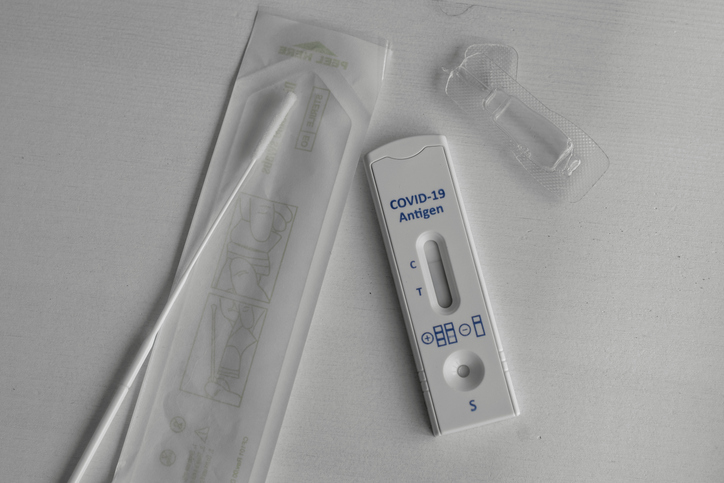
The development of at-home COVID-19 testing has made respiratory infection screening more accessible to people outside traditional healthcare settings. Instead of visiting a laboratory or medical facility for every test, individuals can use certain diagnostic products to collect their own samples and obtain preliminary results. These solutions are designed to simplify the testing process while helping users make informed decisions about their health.
For people without medical training, ease of use, clear instructions, and reliable performance are essential when selecting a home diagnostic product. A COVID-19 Laymen Test is intended to help nonprofessional users perform specific testing procedures by following the manufacturer’s guidance. Understanding the available test types, correct sample collection methods, and result interpretation can reduce common mistakes and improve the overall testing experience.
What Is COVID-19 Testing for Lay Users?
COVID-19 testing for lay users refers to diagnostic products designed for individuals who do not have professional medical training. These tests are commonly intended for home use or other non-clinical environments where users collect specimens, perform the required steps, and interpret results independently.
Most at-home COVID-19 screening products use antigen detection technology. These tests identify specific proteins associated with SARS-CoV-2 in an appropriate specimen, commonly collected from the nose.
Unlike laboratory-based molecular testing, many rapid antigen tests are designed to provide results within a relatively short period. However, their performance depends on the product, specimen quality, timing, and correct use.
Common Types of At-Home COVID-19 Tests
Several diagnostic technologies have been developed for detecting SARS-CoV-2. Not all are intended for independent home use, so users should check the product’s approved purpose and instructions.
Rapid Antigen Tests
Rapid antigen tests detect proteins associated with the virus. They typically use nasal specimens and provide results through a visible indicator on a test cassette or another designated device.
Their main advantages include:
- Relatively quick result availability.
- Straightforward sample collection procedures.
- No requirement for complex laboratory equipment.
- Availability of products specifically designed for self-testing.
Antigen tests may be less sensitive than molecular methods, particularly when viral levels are low. A negative result therefore does not always rule out infection.
Molecular Tests
Molecular tests detect the genetic material of SARS-CoV-2. PCR is a widely recognized example of this technology.
Some molecular testing solutions offer home collection, but the specimen may still need to be sent to a laboratory for analysis. Other systems are designed for point-of-care use and require specific equipment.
Molecular testing can provide sensitive detection, although availability, processing requirements, and turnaround times vary.
Antibody Tests
Antibody tests investigate the immune response to previous exposure or vaccination. They are not generally intended to diagnose an active COVID-19 infection.
Users should understand this distinction when choosing a diagnostic product. A test that detects antibodies does not provide the same information as an antigen or molecular test.
How to Perform an At-Home COVID-19 Antigen Test
Although procedures differ between manufacturers, many home-use antigen tests follow a similar sequence. The product instructions should always take priority over general guidance.
Step 1: Prepare the Testing Area
Choose a clean, dry, and well-lit surface. Wash and dry your hands before opening the test package.
Check the expiration date and make sure all required components are included. Do not use a damaged or incomplete kit.
Step 2: Read the Instructions
Review the manufacturer’s instructions before collecting a sample. Pay attention to the recommended specimen type, swab insertion depth, extraction procedure, and result-reading time.
Different products may have different requirements, even when they use similar technology.
Step 3: Collect the Nasal Sample
If the product requires an anterior nasal specimen, gently insert the supplied swab into the front part of the nostril. Rotate it against the inner nasal wall as instructed.
Some tests require sampling both nostrils using the same swab. Avoid inserting the swab farther than specified or touching its collection tip.
Step 4: Prepare the Specimen
Place the swab into the extraction tube or other supplied container if required. Follow the instructions for mixing, squeezing, or rotating the swab in the solution.
The purpose of this step is to transfer the collected material into the testing solution.
Step 5: Apply the Sample
Add the specified number of drops to the designated sample well or testing area. Using too much or too little solution may affect the test’s operation.
Step 6: Wait and Read the Result
Wait for the exact period specified by the manufacturer. Read the result within the recommended time window.
Do not interpret the test too early or after the permitted reading period, as this may lead to incorrect conclusions.
Understanding At-Home Test Results
Correct result interpretation is essential for making appropriate decisions after testing.
Positive Result
A positive antigen result generally indicates that the test has detected the target viral antigen. Individuals should follow current public health guidance and seek medical advice when appropriate, especially if they have risk factors or significant symptoms.
Negative Result
A negative result means the test did not detect the target antigen in the specimen at the time of testing. It does not always mean that the person is free from infection.
If symptoms or recent exposure suggest COVID-19, repeat testing or a more sensitive diagnostic method may be recommended.
Invalid Result
An invalid result means the test did not produce a reliable reading. This may happen because of insufficient sample volume, incorrect procedure, or a problem with the test device.
Users should repeat the procedure with a new kit according to the manufacturer’s instructions.
Benefits of At-Home COVID-19 Diagnostic Solutions
Home testing provides several practical advantages for individuals and families.
Convenience and Accessibility
People can perform approved self-tests at home without arranging a laboratory appointment. This can make screening more accessible when symptoms develop or testing is recommended.
Faster Preliminary Results
Many rapid antigen tests provide results within minutes. This allows users to obtain preliminary information without waiting for a laboratory report.
Greater Personal Flexibility
Home testing gives individuals more control over when they perform screening, provided they follow the product’s instructions and applicable public health recommendations.
Reduced Need for Clinical Visits
For straightforward screening situations, an approved self-test may reduce the need to visit a healthcare facility solely for specimen collection. However, medical assessment remains important when symptoms are severe or additional care is needed.
Support for Family and Community Awareness
Accessible testing can help people make more informed decisions about contact with others, workplace attendance, and other daily activities.
Factors That Affect At-Home Test Accuracy
A diagnostic product’s performance is influenced by several factors beyond the technology used.
Specimen collection: An insufficient or improperly collected sample may reduce the amount of viral material available for detection.
Timing of testing: Antigen levels can vary during infection. Testing too early or at a stage when viral levels are low may produce a negative result.
Following instructions: Incorrect extraction, sample application, or result-reading time can affect test validity.
Storage conditions: Tests should be stored within the temperature and environmental limits specified by the manufacturer.
Product quality: Users should select products with appropriate performance evidence and regulatory status for their intended market.
Careful attention to these factors can help reduce avoidable testing errors.
Common Mistakes to Avoid During Home Testing
Even simple diagnostic procedures can produce unreliable results when instructions are not followed carefully.
Common mistakes include:
- Using an expired or damaged test kit.
- Collecting a sample with an unsuitable swab.
- Touching the swab tip before specimen collection.
- Failing to sample the required area of the nose.
- Adding an incorrect number of drops to the test device.
- Reading results outside the specified time window.
- Assuming that one negative antigen result completely excludes infection.
Avoiding these errors helps users obtain results that are more consistent with the product’s intended performance.
Choosing a Suitable COVID-19 Home Test
Not every diagnostic product is designed for independent use. Before purchasing or using a home test, consider the following characteristics.
Clear Instructions for Nonprofessional Users
A suitable self-test should explain every step in accessible language. Diagrams and clearly marked components can make the process easier to understand.
Validated Performance
Review available information about sensitivity, specificity, and clinical evaluation. Performance claims should relate to the product’s intended use and specimen type.
Appropriate Regulatory Status
Check whether the test meets the applicable regulatory requirements in the country where it will be used. Authorization and labeling requirements can differ between markets.
Complete Testing Components
The package should contain all necessary components, including the collection device, extraction materials, and testing cassette when applicable.
Clear Result Interpretation
The instructions should explain positive, negative, and invalid results, including what users should do when the result is unclear.
When Should Users Seek Medical Advice?
Home diagnostic tests are useful screening tools, but they do not replace professional medical assessment.
Individuals should consider contacting a healthcare professional when:
- Symptoms are persistent or becoming worse.
- A negative antigen result conflicts with symptoms or known exposure.
- They have medical conditions that increase the risk of severe illness.
- They need guidance about repeat or confirmatory testing.
- They are unsure how to interpret a test result.
Anyone experiencing severe breathing difficulty, persistent chest pain, confusion, or other emergency warning signs should seek urgent medical care rather than relying on a home test.
Conclusion
At-home COVID-19 diagnostic solutions have made infection screening more convenient for people without medical training. Rapid antigen tests, in particular, provide a straightforward approach to collecting nasal specimens and obtaining preliminary results outside clinical environments.
Reliable testing depends on selecting an appropriate product, following the collection and testing instructions, and interpreting results within the correct time frame. By understanding the capabilities and limitations of home-use diagnostics, individuals can use these tools more responsibly and make better-informed decisions about their health.