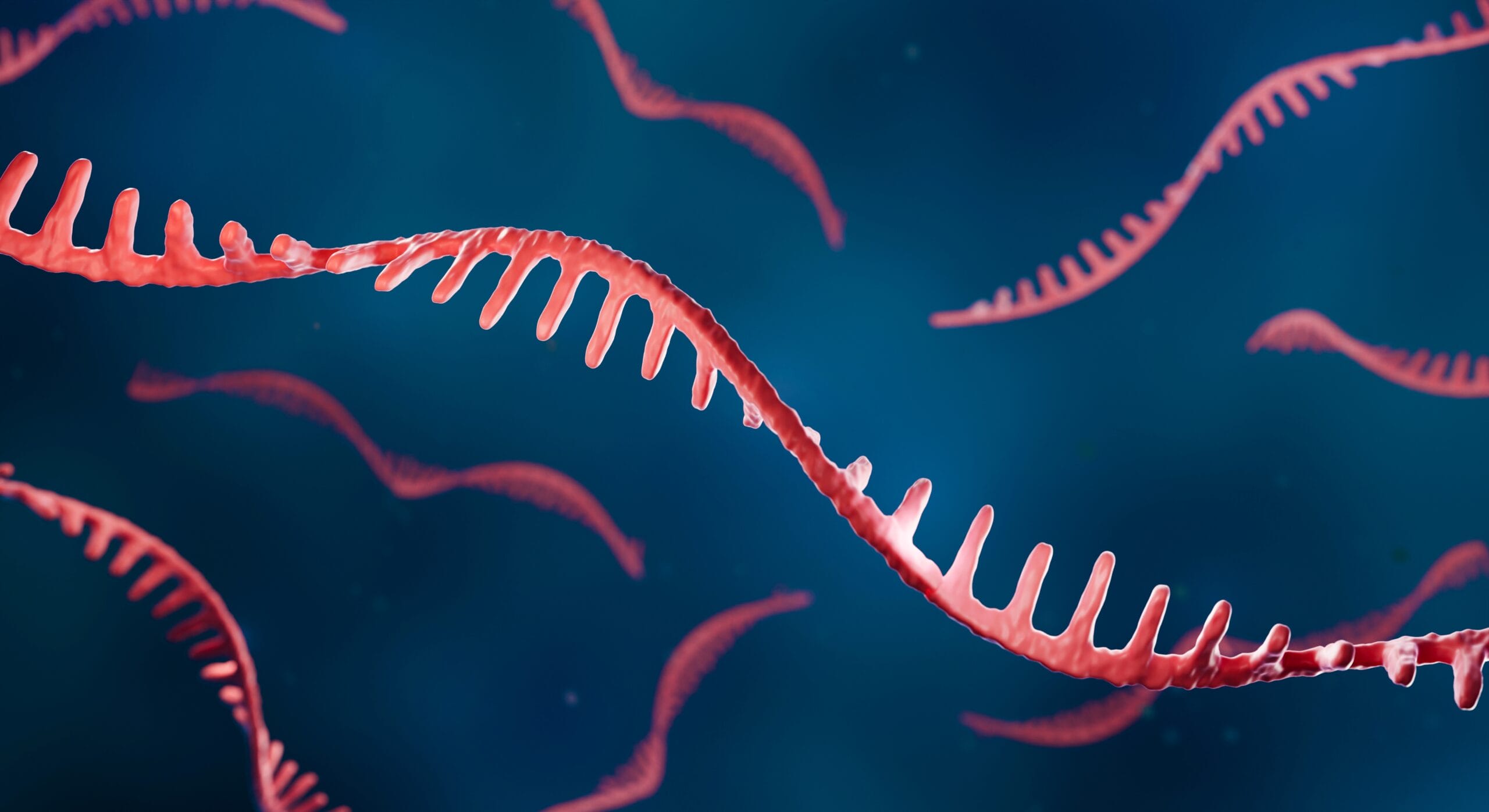
High-quality RNA is essential for reliable molecular biology research. Applications such as reverse transcription PCR (RT-PCR), quantitative PCR (RT-qPCR), RNA sequencing, and gene expression analysis depend on RNA samples with appropriate purity and integrity. However, genomic DNA contamination can remain in purified RNA and interfere with downstream experiments, particularly when the objective is to measure RNA-derived gene expression.
During cell or tissue disruption, both RNA and genomic DNA are released into the sample. Although RNA extraction procedures are designed to enrich RNA, some DNA may remain if the purification method does not remove it effectively. Researchers therefore need suitable strategies to eliminate residual DNA while preserving RNA recovery and integrity.
Understanding the available approaches to Genomic Dna Removal From Rna helps laboratories choose appropriate purification procedures, minimize experimental interference, and prepare RNA for reliable downstream analysis.
Why Is Genomic DNA Removal Important?
Genomic DNA and RNA are both nucleic acids, but they serve different roles in molecular biology experiments. RNA is commonly analyzed to investigate gene expression, transcript abundance, and cellular activity. Genomic DNA contamination can complicate these measurements by introducing an additional source of genetic material.
The extent of interference depends on the experimental design, target sequence, and amount of residual DNA.
Preventing False-Positive PCR Signals
In RT-PCR and RT-qPCR, RNA is first converted into complementary DNA using reverse transcriptase. The resulting cDNA is then amplified.
If genomic DNA remains in the original RNA sample, it may also serve as a PCR template. This can produce amplification signals that are incorrectly attributed to RNA-derived transcripts.
Improving Gene Expression Accuracy
Gene expression analysis compares transcript levels between samples or experimental conditions. DNA contamination may increase the apparent abundance of a target sequence and distort the interpretation of expression differences.
Removing residual genomic DNA helps ensure that measured signals more accurately reflect the RNA-derived material.
Supporting RNA Sequencing Quality
RNA sequencing workflows require suitable RNA input for library preparation. Depending on the library chemistry, residual DNA may contribute unwanted background or interfere with the intended analysis.
Effective sample preparation helps reduce this risk and supports more reliable sequencing data.
Reducing Experimental Variability
Different samples may contain different amounts of genomic DNA. If contamination is not controlled, variation in DNA carryover can introduce additional technical differences between experimental groups.
Consistent DNA removal procedures help improve comparability across samples.
Common Sources of Genomic DNA Contamination
Before selecting a removal method, researchers should understand how genomic DNA can remain in an RNA preparation.
Incomplete Nucleic Acid Separation
RNA purification systems use chemical conditions or selective binding materials to separate RNA from other cellular components. However, separation efficiency can vary depending on sample composition and extraction conditions.
Excessive Sample Input
Using more starting material than the purification system supports may overload silica membranes or magnetic bead binding capacity. This can reduce the efficiency of contaminant removal.
Inadequate Washing
Washing steps help remove substances that are not retained during RNA binding. Incorrect reagent volumes, incomplete liquid removal, or skipped steps may compromise purification.
Difficult Biological Samples
Some tissues release substantial amounts of genomic DNA during homogenization. Highly viscous lysates can also complicate sample processing and increase the likelihood of inconsistent purification.
Inappropriate Protocol Modifications
Changing reagent volumes, incubation times, or centrifugation conditions without validation can affect nucleic acid separation. Following the manufacturer’s recommended procedure is important for maintaining consistent results.
Effective Methods for Genomic DNA Removal From RNA
Several techniques can be used to reduce or eliminate genomic DNA contamination. The most appropriate approach depends on the extraction method, sample type, and downstream application.
1. DNase Treatment
DNase treatment is one of the most widely used approaches for removing residual genomic DNA from RNA preparations.
DNase enzymes break down DNA into smaller fragments while allowing RNA to remain available for subsequent analysis when the reaction conditions are appropriate.
<AsyncImage query=”DNase enzyme RNA purification molecular biology laboratory reagent microcentrifuge tubes” aspectRatio=”16:9″ width=”100%”/>
DNase treatment can be performed during RNA purification or after RNA has been extracted.
On-Column DNase Treatment
Some silica column-based extraction kits allow DNase to be applied directly to the membrane after RNA binding.
The general workflow includes:
- Binding RNA to the silica membrane.
- Applying the recommended DNase solution.
- Incubating under the specified conditions.
- Completing the required washing steps.
- Eluting purified RNA.
This approach can remove DNA before the final RNA elution and may reduce the need for a separate post-extraction cleanup.
However, on-column treatment is suitable only when supported by the manufacturer’s protocol.
In-Solution DNase Treatment
In-solution DNase treatment is performed on an RNA preparation after extraction.
The RNA is combined with DNase and the required reaction buffer under conditions specified by the enzyme manufacturer. After digestion, the enzyme and reaction components must be removed or inactivated using a compatible cleanup procedure.
This approach is useful when genomic DNA contamination is detected in an existing RNA preparation or when the extraction kit does not include a DNA removal step.
Important DNase Selection Considerations
Before choosing a DNase enzyme, researchers should evaluate:
- Enzyme activity and purity.
- Compatibility with the RNA sample.
- Recommended reaction conditions.
- Incubation requirements.
- Enzyme inactivation or removal procedure.
- Potential effects on RNA recovery.
Using an unsuitable enzyme or incomplete cleanup procedure may introduce additional contaminants or reduce RNA yield.
2. Use an RNA Extraction Kit With Integrated DNA Removal
Some commercial RNA extraction kits include procedures specifically designed to reduce genomic DNA contamination.
These systems may use selective binding chemistry, membrane-based separation, or integrated DNase treatment.
<AsyncImage query=”RNA extraction kit silica spin column purification laboratory reagent tubes” aspectRatio=”16:9″ width=”100%”/>
An integrated removal step can simplify routine workflows because DNA reduction is incorporated into the recommended purification procedure.
When comparing products, review the following information:
- Whether a dedicated DNA removal step is included.
- Supported biological sample types.
- Recommended sample input quantities.
- RNA recovery and purity data.
- Compatibility with downstream assays.
- Whether additional DNase treatment is recommended.
An integrated step does not guarantee complete DNA removal under every condition. Researchers should assess its effectiveness using appropriate controls for their experimental requirements.
3. Phenol-Based Phase Separation
Traditional phenol-based extraction methods can separate RNA from DNA and proteins through organic phase separation.
In commonly used acid guanidinium thiocyanate-phenol-chloroform workflows, RNA is preferentially recovered in the aqueous phase under suitable conditions, while much of the DNA and protein material partitions into other phases or the interphase.
Careful phase separation is essential to avoid transferring DNA-containing material into the RNA fraction.
Although this method can be effective, it involves hazardous organic chemicals and requires appropriate ventilation, protective equipment, and waste disposal procedures.
Phenol-based extraction may remain useful for certain established workflows, but laboratories should consider whether a solid-phase purification method offers a more convenient alternative.
4. Silica Membrane-Based Purification
Silica membrane technology is widely used in modern RNA extraction kits.
Under specific salt and alcohol conditions, RNA binds to the membrane while many contaminants are removed through washing. Depending on the kit design, additional steps may help reduce genomic DNA carryover.
The general process involves:
- Disrupting the sample and releasing nucleic acids.
- Preparing the lysate under suitable binding conditions.
- Applying the sample to the silica membrane.
- Washing away contaminants.
- Performing any validated DNA removal step.
- Eluting purified RNA.
Silica column systems are suitable for many routine laboratory applications. Their performance depends on membrane capacity, sample input, reagent conditions, and protocol execution.
5. Magnetic Bead-Based RNA Purification
Magnetic bead systems use functionalized particles to capture RNA from prepared lysates.
After binding, a magnetic field collects the beads, allowing the surrounding liquid to be removed. Washing steps remove contaminants before the RNA is released during elution.
<AsyncImage query=”magnetic bead RNA extraction purification laboratory magnetic rack sample tubes” aspectRatio=”16:9″ width=”100%”/>
Some magnetic bead workflows can be integrated with automated platforms, making them useful for laboratories processing larger numbers of samples.
DNA removal depends on the bead chemistry and the complete purification protocol. Researchers should confirm whether the selected system includes a validated method for reducing genomic DNA.
How to Choose the Right DNA Removal Method
Not every RNA preparation requires the same treatment. The appropriate strategy depends on the sample, purification method, and analytical objective.
| Method | Main advantage | Important consideration |
|---|---|---|
| On-column DNase treatment | Removes DNA during purification | Must be compatible with the column protocol |
| In-solution DNase treatment | Can treat existing RNA preparations | Requires suitable enzyme cleanup |
| Integrated DNA removal kit | Combines purification and DNA reduction | Performance depends on kit chemistry and sample type |
| Phenol-based extraction | Can separate RNA from DNA and proteins | Requires hazardous chemical handling |
| Magnetic bead purification | Supports parallel and automated workflows | DNA removal depends on the validated system |
For routine RT-qPCR, a kit with an appropriate DNA removal step or a compatible DNase treatment may be sufficient. More demanding workflows should use additional validation to confirm that residual DNA is below the level that could affect the intended analysis.
How to Confirm Successful Genomic DNA Removal
After treatment, researchers should verify that the RNA preparation is suitable for downstream use. RNA concentration and absorbance ratios alone cannot establish that genomic DNA has been removed.
1. Perform a Minus-RT Control
A minus-reverse-transcriptase control is a useful method for detecting DNA contamination in PCR-based gene expression experiments.
The RNA sample is processed through the assay without adding reverse transcriptase. Because no cDNA should be generated, an amplification signal may indicate that genomic DNA is present.
The result should be interpreted in the context of the assay design and appropriate negative controls.
2. Use Agarose Gel Electrophoresis
Agarose gel electrophoresis can provide information about RNA integrity and may reveal high-molecular-weight genomic DNA contamination.
In suitable eukaryotic RNA samples, intact ribosomal RNA often produces characteristic bands. Genomic DNA may appear as material with limited migration near the top of the gel.
However, gel analysis has detection limits and should not be treated as definitive proof that a sample is DNA-free.
3. Apply DNA-Specific Detection Methods
DNA-specific fluorescent assays or other validated analytical methods can help assess residual DNA.
These approaches may be useful when laboratories need more direct information about DNA contamination than absorbance measurements can provide.
4. Assess RNA Purity and Integrity Separately
Spectrophotometric measurements provide an initial indication of RNA purity.
Common reference values include:
| Measurement | General reference |
|---|---|
| A260/A280 | Near 2.0 |
| A260/A230 | Around 2.0–2.2 |
These ratios are indicative rather than absolute acceptance criteria. Since both RNA and DNA absorb at 260 nm, acceptable ratios do not prove that genomic DNA has been eliminated.
RNA integrity should be evaluated separately using gel electrophoresis or automated electrophoresis systems when required by the application.
Best Practices for Preventing DNA Contamination During RNA Extraction
Preventing contamination during sample preparation can reduce the need for repeated cleanup procedures.
Use the Recommended Sample Input
Follow the extraction kit’s stated sample capacity. Excessive starting material can overload the purification system and compromise contaminant removal.
Optimize Sample Homogenization
Use the recommended disruption method for each biological material. Incomplete homogenization can reduce recovery, while unsuitable processing may produce difficult-to-handle lysates.
Follow Binding and Washing Conditions
Use the specified buffer volumes, incubation times, and centrifugation settings. Avoid skipping washing steps or changing protocol conditions without validation.
Maintain RNase-Controlled Conditions
Although the focus is genomic DNA removal, RNA integrity must also be protected throughout purification.
Use RNase-free consumables where appropriate, maintain clean work areas, and handle samples according to recommended storage and processing procedures.
Avoid Unnecessary Sample Transfers
Additional handling can increase the risk of sample loss or contamination. Use a validated workflow that minimizes unnecessary transfers while maintaining effective purification.
Application-Specific Considerations
The level of DNA removal required depends on the downstream analysis.
RT-PCR and RT-qPCR
These methods are particularly sensitive to genomic DNA contamination when the assay cannot distinguish between genomic and transcript-derived sequences.
Use suitable DNase treatment where needed, consider intron-spanning or exon-junction primer designs, and include minus-RT controls during assay validation.
Primer design can reduce DNA-derived amplification, but it should not replace appropriate purification controls.
RNA Sequencing
RNA sequencing library preparation requirements vary by library chemistry and sample type. Residual DNA may affect some workflows, so researchers should follow the library preparation manufacturer’s specifications and verify sample quality before proceeding.
Northern Blot Analysis
Northern blotting requires RNA with sufficient integrity for transcript separation and detection. Appropriate extraction and contaminant removal help support clear analysis.
Transcriptome and Gene Expression Research
Studies comparing transcript levels across multiple samples benefit from consistent purification procedures. Standardized DNA removal and quality control can help reduce technical variation.
Common Mistakes During Genomic DNA Removal
Several avoidable errors can reduce DNA removal efficiency or compromise RNA quality.
| Mistake | Possible effect | Recommended practice |
|---|---|---|
| Skipping DNase when required | Residual genomic DNA | Evaluate contamination risk and use validated treatment |
| Incorrect DNase incubation | Incomplete DNA digestion | Follow enzyme-specific instructions |
| Inadequate enzyme cleanup | Residual reaction components | Use a compatible cleanup procedure |
| Overloading columns or beads | Reduced purification efficiency | Follow recommended input limits |
| Incomplete washing | Contaminant carryover | Complete all specified wash steps |
| Relying only on absorbance ratios | DNA contamination may go undetected | Use DNA-specific controls |
| Poor sample handling | RNA degradation | Maintain suitable RNase-control practices |
Conclusion
Genomic DNA contamination can interfere with RNA-based experiments by introducing unwanted amplification signals, affecting gene expression measurements, and complicating downstream analysis. Effective removal requires an appropriate purification strategy, careful sample preparation, and verification of the final RNA quality.
DNase treatment, integrated DNA removal procedures, silica membrane purification, and magnetic bead-based systems all offer potential solutions. The most suitable approach depends on the biological sample, extraction chemistry, and requirements of the downstream application.
By following validated protocols, avoiding purification system overload, and using appropriate controls such as minus-RT assays, researchers can minimize genomic DNA contamination while preserving RNA recovery and integrity. These practices support more reliable molecular biology workflows and more confident interpretation of experimental results.