

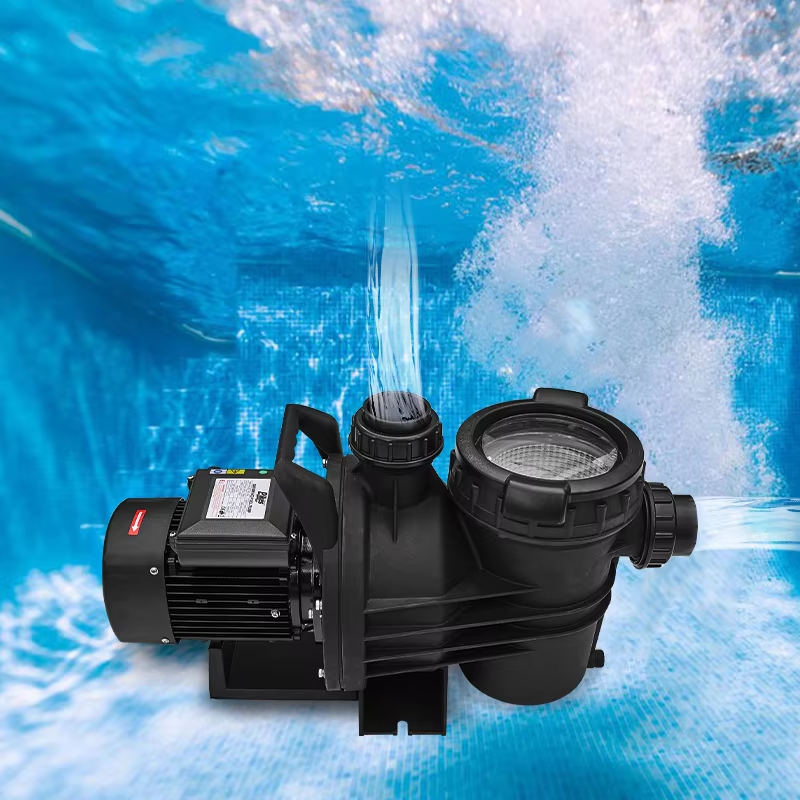
Water filtration is one of the most important processes in swimming pool maintenance. It helps remove suspended particles, dirt, leaves, and other impurities that can affect water clarity and place additional demands on sanitation systems. An efficient filtration system supports a cleaner swimming environment while helping control maintenance requirements, water consumption, and operating costs.
Pool equipment manufacturers contribute to filtration efficiency by improving filter design, developing better filtration materials, optimizing water circulation, and introducing technologies that simplify maintenance. These developments help residential pool owners and commercial facility operators maintain consistent water quality while using equipment more effectively.
Understanding how these improvements work can help buyers select suitable filtration systems and make informed decisions about swimming pool design and maintenance.
1. Developing Advanced Filter Designs
Filter design has a direct impact on how effectively a swimming pool system captures suspended particles. Manufacturers continually refine filter housings, internal distribution systems, and filtration chambers to improve performance and reduce unnecessary pressure losses.
Common swimming pool filtration systems include sand filters, cartridge filters, and diatomaceous earth filters. Each uses a different filtration medium and has distinct maintenance requirements.
Sand filters pass water through specially graded media that captures particles. Cartridge filters use pleated material to provide a large filtration surface within a compact housing. Diatomaceous earth filters use a fine filtering medium to capture smaller particles, although their operating and maintenance procedures differ from other filter types.
Manufacturers improve these systems by optimizing water distribution, selecting suitable materials, and designing components that maintain consistent flow. A well-designed filter allows water to pass through the filtration medium without creating unnecessary restrictions or uneven loading.
The best design depends on the pool’s size, expected usage, required water clarity, available space, and maintenance preferences.
2. Improving Filtration Media
Filtration media determine how particles are captured as water moves through the system. Improvements in media composition, surface structure, and arrangement can influence filtration performance, service life, and maintenance frequency.
For sand filters, manufacturers may recommend different grades of filter sand or alternative media designed for compatible equipment. Cartridge systems rely on filter fabrics and pleated surfaces engineered to balance particle capture with water flow.
The effectiveness of a medium depends on more than its ability to capture small particles. It must also allow an appropriate flow rate, resist deterioration, and remain practical to clean or replace.
Manufacturers evaluate these characteristics to help ensure that filtration media perform reliably under normal operating conditions. Buyers should follow the filter manufacturer’s recommendations because using an unsuitable medium can reduce performance or damage the system.
Selecting the right filtration material can improve water clarity and help maintain stable operating conditions over time.
3. Optimizing Water Flow Through the Filter
Even a high-quality filter may perform poorly if water moves through it at an unsuitable rate. Excessive flow can reduce filtration effectiveness or create unnecessary pressure, while insufficient flow may prevent the pool system from meeting its circulation requirements.
Manufacturers address this challenge by designing filters around specified flow ranges and providing technical information to support correct equipment selection.
The filter, pump, plumbing, and other connected components must work together. For example, a pump that delivers more water than the filter is designed to handle may cause excessive pressure or compromise filtration performance.
Modern pump technologies, including variable-speed models, allow operators to adjust circulation rates according to operating needs. When properly sized and configured, these pumps can support suitable filtration flow while reducing energy consumption.
Pool designers should consider the required circulation rate, pipe dimensions, total dynamic head, filter capacity, and equipment manufacturer’s instructions before selecting a system.
4. Reducing Pressure Loss and Improving Hydraulic Efficiency
Water encounters resistance as it moves through pipes, fittings, valves, pumps, and filtration equipment. This resistance creates pressure losses that can increase pump workload and energy consumption.
Manufacturers improve hydraulic efficiency by refining internal passages, selecting suitable connection sizes, and designing components that reduce unnecessary restrictions.
Inside a filter, effective water distribution is particularly important. If water enters the filtration chamber unevenly, some areas of the media may receive more flow than others. This can lead to inconsistent filtration and inefficient use of the available media.
Well-designed internal components help distribute water more evenly and maintain suitable flow across the filtration surface.
However, overall hydraulic performance depends on the complete installation. Incorrect pipe sizing, excessive bends, partially closed valves, and poorly maintained equipment can undermine the benefits of an efficient filter design.
Regular inspection and appropriate system configuration are therefore essential for achieving the intended performance.
5. Designing Filters That Are Easier to Maintain
Maintenance has a significant influence on filtration efficiency. As debris accumulates in a filter, water flow may become restricted and pressure may increase. If maintenance is delayed, the system may consume more energy or fail to provide adequate circulation.
Manufacturers improve maintenance efficiency through accessible filter housings, practical cleaning mechanisms, clear pressure indicators, and components that can be inspected without unnecessary difficulty.
Different filtration systems require different procedures. Sand filters are commonly cleaned through backwashing, while cartridge filters are generally removed and cleaned according to the manufacturer’s instructions. Diatomaceous earth systems require maintenance appropriate to their specific design.
The frequency of cleaning depends on pool usage, environmental conditions, debris levels, and the type of filter installed.
An effective maintenance design helps operators complete routine tasks correctly and consistently. It also reduces the risk of equipment damage caused by improper cleaning or delayed servicing.
6. Using Pressure Monitoring to Maintain Performance
Pressure monitoring helps pool operators identify changes in filtration system performance. As a filter collects debris, the pressure reading may rise above its clean-filter baseline.
Manufacturers incorporate pressure gauges and, in some systems, electronic sensors that help users recognize when inspection or cleaning may be necessary.
A pressure gauge provides useful information when interpreted according to the equipment manufacturer’s instructions. Operators should record the pressure after cleaning the filter and compare later readings with that baseline.
A rising reading can indicate accumulated debris, but other conditions may also affect pressure, including valve positions, flow changes, or restrictions elsewhere in the system. Low pressure can also indicate a problem, such as inadequate pump supply or a blockage on the suction side.
Modern monitoring features can help maintenance teams identify unusual conditions earlier. However, pressure readings should be considered alongside water flow, pump operation, and visible water quality rather than used as the only measure of performance.
7. Integrating Smart Monitoring and Automation
Digital technology is creating new opportunities to monitor swimming pool equipment and simplify routine maintenance. Depending on the system, sensors and controllers can track operating conditions, manage pump schedules, and provide alerts when certain readings move outside expected ranges.
Manufacturers contribute by developing compatible sensors, control units, and monitoring interfaces that help operators understand how their equipment is performing.
For filtration systems, useful monitoring features may include pump status, operating schedules, selected pressure readings, and maintenance notifications. These features can help users identify developing problems and avoid running equipment unnecessarily.
Automated pump scheduling can also help maintain consistent circulation while matching flow rates to actual requirements. When paired with suitable variable-speed equipment, it may improve energy efficiency without compromising required filtration performance.
Automation does not eliminate the need for physical inspection. Filters still require cleaning, components need servicing, and water quality must be checked using appropriate methods. Smart monitoring works best when combined with a practical maintenance routine.
8. Improving Filter Durability and Material Quality
Swimming pool filters operate in wet environments and may be exposed to pressure, temperature changes, and treated water. Equipment materials must withstand these conditions while maintaining structural integrity.
Manufacturers improve durability by selecting suitable plastics, metals, seals, and other components according to the intended operating environment. Filter housings must tolerate their specified working pressures, while seals and fittings must provide reliable connections.
Material selection also influences maintenance and service life. Components that resist corrosion or chemical degradation may require fewer replacements when used under the conditions for which they were designed.
Quality assurance procedures, including pressure testing and inspections, help manufacturers identify defects before products reach customers.
Buyers should review the operating pressure limits, installation requirements, warranty terms, and applicable certifications of the equipment they are considering. Durable construction can support long-term filtration performance, but proper installation and routine servicing remain essential.
9. Reducing Water Waste During Filter Cleaning
Some filtration systems require water to be discharged during cleaning. Sand filters, for example, commonly use backwashing to remove accumulated debris from the filter media. Depending on pool size and maintenance frequency, this process can contribute to water consumption.
Manufacturers can help reduce unnecessary water use by improving filter designs, developing clear cleaning procedures, and providing equipment that makes maintenance easier to manage.
Operators can also contribute by avoiding unnecessary backwashing and following the manufacturer’s recommended pressure or maintenance criteria. Backwashing too frequently may waste water, while waiting too long can interfere with proper filter operation.
Cartridge filters may offer an alternative where reducing backwash water is a priority, although they require manual cleaning and eventual cartridge replacement.
The most appropriate option depends on the pool’s operating conditions, local water availability, maintenance resources, and the performance requirements of the filtration system.
10. Matching Filtration Capacity to Pool Requirements
Correct equipment sizing is essential for filtration efficiency. A filter that is too small for the required flow may experience excessive pressure or insufficient performance, while an unnecessarily large system may increase purchase and installation costs without delivering meaningful benefits.
Manufacturers provide specifications that help engineers and installers determine whether a filter is suitable for a particular application.
Important considerations include:
- Pool volume and required circulation rate.
- Expected swimmer numbers and operating hours.
- Environmental debris and surrounding vegetation.
- Filter type and recommended flow range.
- Pump capacity and total system resistance.
- Available installation space and maintenance access.
Commercial swimming pools may need different filtration arrangements from residential pools because of higher bather loads and more demanding operating schedules.
Equipment selection should account for the complete system rather than pool volume alone. Qualified pool professionals can calculate the appropriate circulation requirements and confirm that the pump, filter, and plumbing are compatible.
11. Supporting Filtration With Effective Water Treatment
Filtration and sanitation perform different but complementary functions. Filtration removes many suspended particles, while appropriate disinfection helps control harmful microorganisms. Neither process should be treated as a complete substitute for the other.
Manufacturers improve overall pool system performance by designing equipment that can operate effectively alongside compatible sanitation and water treatment technologies.
For example, properly coordinated circulation and treatment systems help distribute disinfectants throughout the pool. Automated controls may also help operators manage selected treatment processes more consistently.
Water chemistry remains important because unsuitable pH, sanitizer levels, or other chemical conditions can affect swimmer comfort, equipment durability, and treatment effectiveness.
Operators should follow appropriate water testing procedures and local health requirements. Maintaining the correct chemical balance, removing debris, and servicing filtration equipment together provides a more reliable approach to pool water management.
12. Evaluating Manufacturers When Choosing Filtration Equipment
Not every manufacturer offers the same level of product support, technical documentation, or filtration technology. Comparing these factors helps buyers identify equipment that matches their requirements and can be maintained effectively over time.
When evaluating a Pool Equipment Manufacturer, review the available pool solutions and determine whether the products meet the technical needs of the intended installation.
Consider the following factors before making a decision:
Product specifications: Check recommended flow rates, filtration capacity, pressure limits, and connection requirements.
Material quality: Review the construction materials, durability information, and suitability for the pool’s operating conditions.
Energy efficiency: Consider how the filter’s resistance and the selected pump affect overall system energy consumption.
Maintenance requirements: Compare cleaning procedures, expected servicing frequency, and the availability of replacement components.
Technical support: Look for clear manuals, installation guidance, troubleshooting resources, and warranty information.
System compatibility: Confirm that the proposed filter works with the pump, plumbing, and treatment equipment.
A manufacturer should provide enough technical information for installers and buyers to make an informed selection. Where specifications are unclear, consulting a qualified pool professional can help prevent incorrect sizing and compatibility problems.
13. Measuring Filtration Efficiency Over Time
Filtration efficiency should be evaluated through ongoing performance rather than initial water clarity alone. A system may appear effective immediately after installation but become less efficient if maintenance is neglected or operating conditions change.
Pool operators can monitor several indicators to understand how well the equipment is functioning.
These include filter pressure, circulation performance, water clarity, cleaning frequency, pump energy use, and the condition of filtration media. Changes in these indicators can reveal developing problems that require attention.
It is useful to maintain a basic service log that records filter cleaning, pressure readings, repairs, and unusual operating conditions. This information helps operators establish normal performance patterns and identify recurring maintenance issues.
Water clarity is an important observation, but it does not independently confirm that water is microbiologically safe. Appropriate sanitizer testing and water chemistry monitoring remain necessary.
Regular performance checks allow owners to address problems before they lead to more significant equipment issues or increased operating costs.
Conclusion
Pool equipment manufacturers improve water filtration efficiency through better filter designs, advanced filtration media, optimized water flow, durable materials, and easier maintenance procedures. Monitoring technology and efficient pump controls can further support consistent performance while helping reduce unnecessary energy and water consumption.
However, the effectiveness of any filtration system depends on more than the filter itself. Correct sizing, compatible equipment, suitable operating conditions, and regular maintenance are equally important.
By understanding these factors and carefully comparing product specifications, buyers can choose filtration equipment that meets their pool’s needs. A well-designed and properly maintained system helps preserve water clarity, supports effective sanitation, and contributes to reliable swimming pool operation over the long term.


