In modern manufacturing industries, capsule-based dosage forms have become one of the most efficient and widely used methods for delivering pharmaceutical and nutraceutical products. The demand for accurate dosing, hygienic production, and scalable output has led to the development of advanced capsule processing equipment.
An encapsulation system plays a central role in this process by automating or semi-automating the filling of empty capsules with powders, granules, or pellets. A modern encapsulation machine is designed to improve production efficiency while ensuring consistent dosage accuracy and maintaining strict hygiene standards. These machines are used across multiple industries where precision and reliability are essential.
What Is an Encapsulation Machine?
An encapsulation machine is specialized equipment used to fill empty capsules with controlled quantities of active ingredients or formulations. The machine ensures that each capsule contains a uniform amount of product, which is critical in pharmaceutical and supplement manufacturing.
Depending on the level of automation, these machines can be categorized into manual, semi-automatic, and fully automatic systems. Each type serves different production needs, from laboratory testing to large-scale industrial manufacturing.
Core Function of Encapsulation Machines
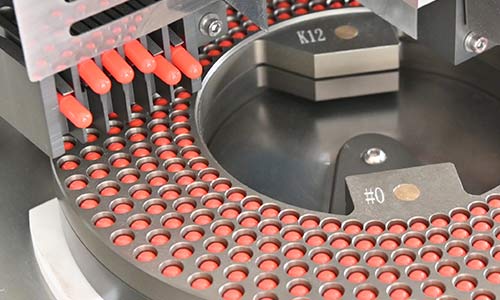
The primary function of an encapsulation machine is to streamline the capsule filling process while maintaining accuracy and consistency. The machine performs several key operations in a controlled sequence.
These typically include:
- Separating capsule bodies and caps
- Measuring and dosing the required formulation
- Filling the capsule bodies evenly
- Rejoining and locking the capsule halves
- Ejecting finished capsules for collection
This automated workflow reduces human error and improves production speed compared to traditional manual methods.
Types of Encapsulation Machines
Encapsulation machines are available in different configurations depending on production requirements:
1. Manual Encapsulation Machines
These are simple devices used for very small-scale production. They require full operator involvement and are commonly used in laboratories.
2. Semi-Automatic Machines
These systems combine manual loading with automated filling and locking functions. They are widely used in medium-scale production environments.
3. Fully Automatic Machines
Fully automated systems handle the entire process with minimal human intervention, making them suitable for large-scale pharmaceutical manufacturing.
Industrial Applications of Encapsulation Machines
Encapsulation technology is used across a wide range of industries where precise dosing and hygienic processing are essential.
Pharmaceutical Industry
The pharmaceutical sector is the largest user of encapsulation machines. These machines are used for:
- Antibiotics and prescription drugs
- Controlled dosage medications
- Clinical trial formulations
Accuracy and compliance with regulatory standards are critical in this industry.
Nutraceutical Industry
With growing health awareness, demand for supplements has increased significantly. Encapsulation machines are used for:
- Vitamin and mineral capsules
- Herbal and botanical supplements
- Fitness and wellness products
Herbal and Ayurvedic Sector
Traditional medicine systems rely heavily on natural ingredients that are encapsulated for modern consumption. Machines help in:
- Encapsulating herbal powders and extracts
- Maintaining consistent dosage in natural formulations
- Improving product shelf life and usability
Food and Health Supplement Industry
Encapsulation machines are also used for functional food products and dietary supplements such as:
- Probiotics
- Omega-3 capsules
- Protein-based formulations
Research and Development Laboratories
In R&D environments, encapsulation machines are essential for:
- Testing new formulations
- Producing trial batches
- Conducting stability studies
Key Benefits of Encapsulation Machines
Encapsulation machines provide several advantages that make them essential in modern production environments:
- High dosing accuracy and uniformity
- Improved production speed and efficiency
- Reduced manual labor requirements
- Better hygiene and reduced contamination risk
- Scalability for different production volumes
These benefits make them suitable for both small-scale and large industrial operations.
Importance in Modern Manufacturing
As industries continue to demand higher quality standards and faster production cycles, encapsulation machines have become an integral part of manufacturing systems. They not only improve productivity but also ensure compliance with strict regulatory requirements in pharmaceutical and healthcare sectors.
Their ability to handle different formulations and capsule sizes makes them highly versatile for manufacturers dealing with multiple product lines.
Conclusion
Encapsulation technology has transformed capsule production by introducing precision, efficiency, and scalability into the manufacturing process. From pharmaceuticals to nutraceuticals and herbal industries, these machines play a crucial role in ensuring consistent product quality.
The modern encapsulation machine continues to evolve with advancements in automation and control systems, making it an essential tool for industries that depend on accurate and reliable capsule production.