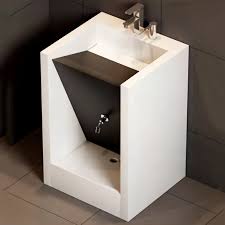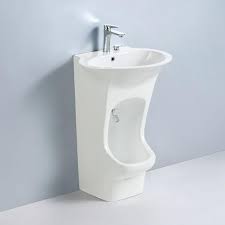
Every construction project has its own priorities. A residential prayer space may need a compact washing fixture, while a mosque development may require several positions to accommodate a congregation. A hotel, office, or educational building may have additional expectations concerning accessibility, cleaning, and coordination with existing interior standards. Selecting a basin successfully means understanding these requirements before comparing products.
A suitable ablution wash basin should be assessed against the project’s purpose, dimensions, material preferences, and installation conditions. The product needs to support the intended washing activities and fit the building’s plumbing arrangements. A structured evaluation makes it easier to compare options fairly and avoid choosing a fixture based on appearance alone.
Build a Clear Project Checklist
Start by writing down the basic requirements.
Identify the building type, expected number of users, available floor area, and whether the installation will be used for foot washing. Note any accessibility needs, preferred design direction, and anticipated maintenance resources.
These details provide a reference point when reviewing different products. They also help suppliers understand what information is needed to recommend suitable options.
Match Capacity to Expected Use
The number of washing positions should reflect realistic demand.
A private home may need one fixture, while a community facility may require a coordinated arrangement for several users. Consider peak periods, particularly in buildings where many people arrive shortly before prayer.
Capacity should not be increased at the expense of comfortable spacing. Users need sufficient room to approach, wash, and leave the station safely.
Check the Available Dimensions
Compare the product’s actual measurements with the room plan.
Review width, depth, height, faucet location, and mounting requirements. Check the clearance around the basin and make sure doors, storage, and nearby fixtures do not obstruct access.
For unusual spaces, discuss possible customized dimensions with the manufacturer. Obtain written drawings before the contractor begins construction work.
Select Materials According to the Environment
Material preferences should reflect the project’s appearance and operating conditions.
Ceramic, stainless steel, and solid-surface products may be suitable for different applications. Natural stone may also be considered where its weight and maintenance requirements can be accommodated.
Request product-specific details about composition, cleaning instructions, surface characteristics, and installation limitations. Compare samples with the project’s selected flooring and wall finishes.
Coordinate Plumbing and Construction
The basin must be compatible with the water supply and drainage arrangements.
Ask the plumbing contractor to verify inlet and waste connections, water pressure, pipe sizing, and drainage capacity. For multi-position installations, consider simultaneous faucet use.
Confirm any structural backing or supporting frame required. Waterproofing and suitable floor gradients should be included in the wet-area specification.
Review Accessibility and User Comfort
The design should accommodate the people who will use the facility.
Consider seated washing positions, convenient faucet controls, and clear circulation routes. Where public access is involved, check the applicable accessibility and building requirements.
Lighting should provide good visibility, and flooring should be appropriate for wet conditions.
Consider the Complete Cost of Ownership
Compare more than the initial purchase price. Include delivery, installation, plumbing changes, cleaning, repairs, and replacement components.
Ask the supplier to explain warranty coverage and after-sales support. Confirm whether the product requires special care or specialist maintenance.
A clear maintenance plan is particularly important for facilities with frequent daily use.
Verify the Final Specification
Before placing the order, check the model, dimensions, finish, quantity, accessories, and delivery schedule. Make sure the product information matches the latest architectural and plumbing drawings.
The installer should receive the manufacturer’s instructions and have time to resolve any technical questions before fitting begins.
A Decision Grounded in Project Needs
The most suitable basin is not necessarily the largest, most elaborate, or least expensive option. It is the product that meets the project’s washing requirements, fits the space, works with the building services, and can be maintained appropriately. A clear brief and careful technical review help turn a broad product search into a confident, practical selection.