Choosing suitable equipment for an ablution area requires a balance between practical performance, appearance, and long-term maintenance. Mosques, Islamic centers, educational institutions, and private prayer facilities all need washing installations that support regular Wudu without making the surrounding space difficult to manage. Material quality and product design are particularly important because these fixtures experience frequent water exposure and repeated cleaning.
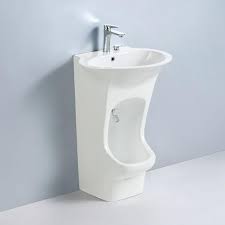
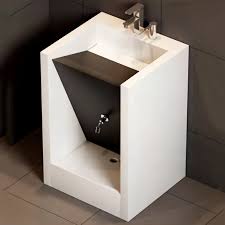
For project planners comparing different washing solutions, a Wudu sink from KingKonree Solid Surface is an option worth investigating when design flexibility and a coordinated finish are priorities. However, selecting the right product requires examining its dimensions, construction, installation method, and maintenance requirements rather than relying on appearance alone. Understanding these factors can help buyers make decisions that suit their specific facilities.
The Importance of Choosing the Right Material
Ablution sinks operate in an environment where water exposure is part of everyday use. The selected material should therefore be appropriate for moisture, cleaning routines, and the expected level of physical contact.
Solid-surface materials are commonly considered in contemporary interior applications because they offer flexibility in appearance and fabrication. Depending on the manufacturer’s formulation, they may support different shapes, finishes, and integrated design concepts.
Before purchasing, buyers should request technical documentation explaining the material’s composition, recommended applications, surface-care requirements, and repair procedures.
Design Flexibility for Different Ablution Spaces
One reason architects investigate solid-surface products is the opportunity to coordinate fixtures with a wider interior concept.
Customized Shapes and Dimensions
Different buildings have different spatial requirements. A compact residential prayer area may need a relatively small installation, while a large mosque may require several coordinated washing positions.
Custom fabrication may help address unusual dimensions or specific architectural preferences. However, measurements, faucet positions, and drainage connections must be established before production.
Contemporary Visual Appeal
Smooth surfaces and carefully finished edges can complement modern interiors. Neutral colors may work particularly well with stone-inspired flooring, understated wall tiles, and minimalist accessories.
This flexibility allows designers to create a consistent appearance without introducing unnecessary decoration.
Practical Considerations for Everyday Ablution
Visual appeal should never replace usability.
The sink should provide adequate space for the washing activities involved in Wudu. Its height, depth, and faucet placement should support comfortable movement.
Where foot washing is required, the surrounding configuration must provide suitable room for seated or standing use. Stable seating may be particularly useful in shared facilities serving older worshippers.
Designers should also assess how water moves across the basin surface. Appropriate splash management can help keep surrounding floors cleaner and reduce unnecessary maintenance.
Evaluating Cleaning and Maintenance Requirements
Regular cleaning is essential in communal washing facilities.
Before selecting a solid-surface product, review the manufacturer’s recommended cleaning methods. Confirm which products are compatible with the finish and whether minor surface damage can be repaired.
Maintenance planning should include inspections of faucet connections, waste outlets, seals, and supporting structures.
A well-maintained installation is more likely to retain its appearance and remain convenient for daily use.
Installation and Technical Compatibility
Installation requirements can influence the overall project budget.
Check the product’s weight, dimensions, mounting system, plumbing connections, and required structural support. Wall-mounted units may need reinforced backing, while other configurations may require different support arrangements.
The water supply and drainage system should be evaluated before construction work is finalized. Contractors should also coordinate waterproofing and floor gradients with the selected fixture.
Comparing Value Beyond the Purchase Price
The lowest-priced product is not automatically the most economical choice.
Consider the complete cost, including delivery, installation, plumbing modifications, cleaning, repairs, and replacement components. Warranty coverage and supplier support are also relevant when purchasing equipment for a busy institution.
Requesting samples and comparing written specifications can make procurement decisions more reliable.
Making an Informed Selection
A suitable ablution sink should meet the practical needs of its users while complementing the architecture of the building. Solid-surface options may be attractive for projects requiring customized shapes and contemporary finishes, provided their documented specifications meet the intended application.
By reviewing material quality, comfort, installation compatibility, and maintenance requirements, buyers can select washing equipment with greater confidence and develop an ablution area that remains functional and visually coordinated.