

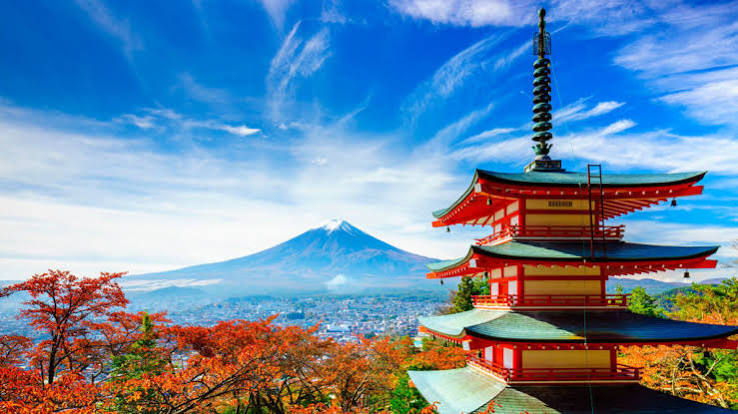
Mount Fuji is one of Japan’s most famous landmarks, admired for its graceful shape, impressive height, and cultural significance. The mountain attracts visitors throughout the year, whether they want to photograph its snow-capped summit, explore nearby lakes, enjoy outdoor activities, or experience traditional Japanese scenery. Its surrounding region offers a variety of attractions that make a visit more than simply viewing the mountain.
Travelers planning a ทัวร์ญี่ปุ่น can consider including the Mount Fuji area for a combination of nature, sightseeing, and relaxation. The region features lakes, scenic viewpoints, museums, gardens, traditional villages, and hot spring facilities, allowing visitors to enjoy different experiences depending on their interests and travel schedule.
Discover the Beauty of Mount Fuji
Mount Fuji is a major symbol of Japan and an important part of its cultural and artistic heritage. Its distinctive volcanic shape can be seen from various locations when weather conditions are favorable. The mountain is particularly beautiful when the summit is covered with snow, although visibility changes according to season and cloud conditions.
Visitors do not need to climb Mount Fuji to appreciate its beauty. Many sightseeing locations provide views from a comfortable distance, allowing travelers to enjoy the landscape while exploring nearby attractions. Photography enthusiasts may want to plan several viewing opportunities because clouds can obscure the mountain unexpectedly.
Lake Kawaguchi and the Fuji Five Lakes
Lake Kawaguchi is one of the most popular destinations for viewing Mount Fuji. The lake offers scenic surroundings, walking areas, sightseeing facilities, and opportunities to enjoy the landscape from different viewpoints.
Visitors can take leisurely walks along the lakeside, explore local shops, enjoy cafes, or participate in selected recreational activities. During spring, cherry blossoms may enhance the scenery, while autumn brings colorful foliage to the surrounding landscape. Winter often offers clearer mountain views, although temperatures can be cold.
The broader Fuji Five Lakes region provides additional places to enjoy the mountain. Each lake has its own atmosphere, and travelers can explore different locations according to their available time and transportation.
Chureito Pagoda and Panoramic Views
Chureito Pagoda is a well-known photography location associated with Mount Fuji. The viewpoint is particularly popular during spring when cherry blossoms create a colorful foreground, although the area is attractive during other seasons as well.
Reaching the viewpoint involves walking and climbing steps, so visitors should wear comfortable footwear. The location can be busy during popular seasonal periods. Arriving earlier in the day may provide a more comfortable experience and better opportunities to enjoy the scenery.
Hakone and Lake Ashi
Hakone offers another attractive way to explore the Mount Fuji region. The area features mountains, lakes, hot springs, scenic transportation, museums, and walking routes. Lake Ashi is a popular sightseeing location, with waterfront views and opportunities to enjoy the surrounding landscape.
Travelers can explore selected attractions, visit museums, enjoy views from elevated areas, or relax at a hot spring facility. Hakone’s combination of nature and leisure makes it suitable for couples, families, and visitors who want a relaxing excursion.
Oshino Hakkai and Traditional Scenery
Oshino Hakkai is a village known for its clear water ponds and traditional surroundings. The area provides a scenic setting where visitors can explore pathways, small shops, local food, and views of the surrounding landscape.
The village offers a different experience from large cities, allowing travelers to enjoy a slower pace. It can be an enjoyable stop for visitors interested in traditional scenery, photography, and local atmosphere.
Seasonal Activities Around Mount Fuji
The region offers different experiences throughout the year. Spring provides opportunities to enjoy blossoms, summer brings greenery and outdoor activities, autumn features colorful foliage, and winter can offer snow-covered landscapes.
Visitors may explore gardens, enjoy scenic walks, take photographs, or relax in hot springs. Activities should be selected according to weather conditions, opening schedules, and personal preferences.
Travel Planning and Practical Advice
Mount Fuji visibility is never guaranteed, so travelers should avoid planning their entire visit around a single viewpoint. Checking weather forecasts and allowing flexibility can improve the chances of enjoying scenic views.
Transportation arrangements also deserve attention. Some attractions are connected by buses or trains, while others may require additional transfers. Visitors should check schedules, allow sufficient travel time, and avoid overloading their itinerary.
Conclusion
Mount Fuji and its surrounding region offer a wonderful combination of iconic mountain views, lakes, cultural attractions, traditional villages, and relaxing hot springs. Lake Kawaguchi, Chureito Pagoda, Hakone, and Oshino Hakkai provide different ways to enjoy the area’s scenery. With flexible planning and enough time to explore, the Mount Fuji region can become one of the highlights of a Japanese vacation.


