Fire safety infrastructure must be designed around dependable components, approved installation methods, and procedures that support emergency readiness. Valves are an important part of fire protection networks because they may control or isolate sections of piping, support system maintenance, and perform functions specified by the fire-protection design. Selecting a valve for these systems requires particular attention to product approvals, operating conditions, and the requirements of the relevant authorities.
A Fireproof Wafer Butterfly Valve may be evaluated for a fire-protection application when its construction, connection arrangement, ratings, and certifications meet the project requirements. The term “fireproof” should not be interpreted as an automatic guarantee of performance during every fire scenario. Buyers must verify the actual fire-related qualification, intended function, and applicable approval documentation for the specific valve.
Clarifying Fire-Related Valve Requirements
Fire-protection systems may use valves for isolation, control, monitoring, or other specified purposes. The function of each valve should be clearly identified in the design documents.
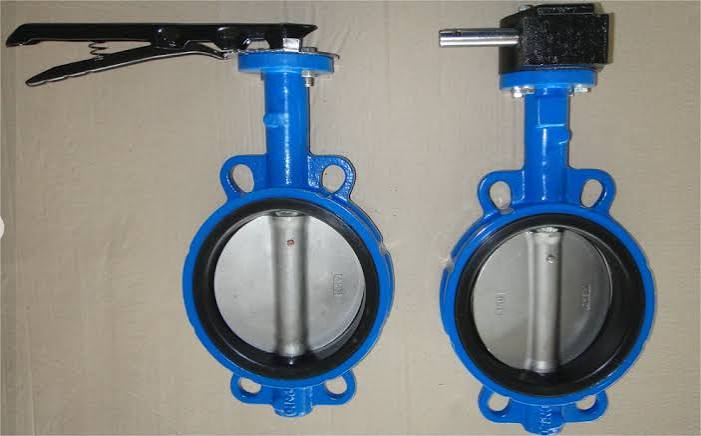
A wafer butterfly valve is generally installed between compatible pipeline flanges. Its rotating disc changes the flow passage, while the operating mechanism may be manual or configured with approved accessories.
The valve must be suitable for the function assigned to it. A general-purpose butterfly valve cannot automatically be used in a fire-protection system simply because its dimensions and connection type appear suitable.
What Fire-Related Qualification Means
Fire-related performance requirements vary according to the valve’s application, design, and relevant standards. Buyers should request the specific documentation that demonstrates the product’s suitability for the intended service.
The documentation may identify applicable testing, certification, listing, or approval requirements. The project engineer and relevant authority should determine which documents are necessary.
Marketing descriptions should not replace verification. A product advertised as fire-resistant, fireproof, or suitable for fire service must be evaluated according to the actual technical evidence and approved system requirements.
Understanding Wafer Construction
Wafer butterfly valves are designed to fit between compatible flanges. Their compact connection arrangement may be useful in locations where space is restricted, such as mechanical rooms, service corridors, and equipment areas.
The flange standards, pressure rating, dimensions, fasteners, and installation method must match the pipeline design. The valve should be positioned and secured according to the manufacturer’s instructions.
The installation team should confirm disc clearance, valve orientation where applicable, and access to the operating mechanism. The valve must not be forced into a misaligned pipeline.
Material and Pressure Considerations
The body, disc, stem, seat, and sealing materials should be suitable for the network’s operating conditions.
Fire-protection water may contain treatment chemicals or experience environmental exposure. The engineer should evaluate the material requirements, pressure rating, and temperature limits specified for the installation.
If the valve is installed outdoors, exposed to moisture, or positioned in an environment with potential corrosion, the external material and protective finishes should also be considered.
Position Indication and Monitoring
Some fire-protection systems require valves to have position indication or supervisory monitoring. This may involve accessories that report the valve’s position to an approved monitoring arrangement.
The required configuration should be established by the fire-protection design. Buyers should confirm the availability, compatibility, and installation requirements of any supervisory switches or indicators.
The accessories must be tested during commissioning to ensure that the expected signals are received and that the valve position is correctly represented.
Installation and Commissioning
Installation should be performed by qualified personnel using the approved drawings, manufacturer’s instructions, and relevant regulations.
Before fitting the valve, verify flange compatibility, alignment, fasteners, and clearance. The valve should be protected from damage during transport and installation.
Commissioning procedures may include checking operation, leakage, position indication, and associated monitoring components. Testing should be performed using approved methods, and the results should be documented.
Inspection and Maintenance
Fire-protection valves need regular inspection because they may remain in one position for long periods. The maintenance programme should verify accessibility, condition, position, operating mechanism, indication, and any signs of leakage or damage.
Inspection frequency should be based on applicable standards, regulations, manufacturer recommendations, and the facility’s approved maintenance programme.
A valve should not be repositioned or removed without authorisation and appropriate system controls. Any maintenance that affects the fire-protection network should be coordinated to ensure that required protection is managed during the work.
Selecting a Suitable Fire-Protection Valve
A wafer butterfly valve may be appropriate for certain fire safety systems if the specific model meets the approved design requirements. The connection arrangement, pressure rating, operating mechanism, and fire-related documentation all need to be verified.
The safest purchasing approach is to obtain technical information and approval evidence before ordering. Careful selection, compliant installation, and regular maintenance help ensure that the valve remains suitable for its designated role within the fire-protection network.