Outdoor games are a popular way to bring people together, encourage friendly competition, and enjoy time outside. Whether played at family gatherings, community events, school activities, or weekend parties, simple throwing games can provide entertainment for participants of different ages and skill levels. Cornhole is particularly popular because it combines easy-to-understand rules with opportunities to develop accuracy and strategy.
The Corn Hole game is a target-throwing activity in which players toss small fabric bags toward a raised board with a circular hole near one end. The objective is to score points by landing bags on the board or throwing them through the hole. Its portable equipment, straightforward gameplay, and flexible team formats make it a practical choice for gardens, parks, beaches, and outdoor celebrations.
What Is Corn Hole?
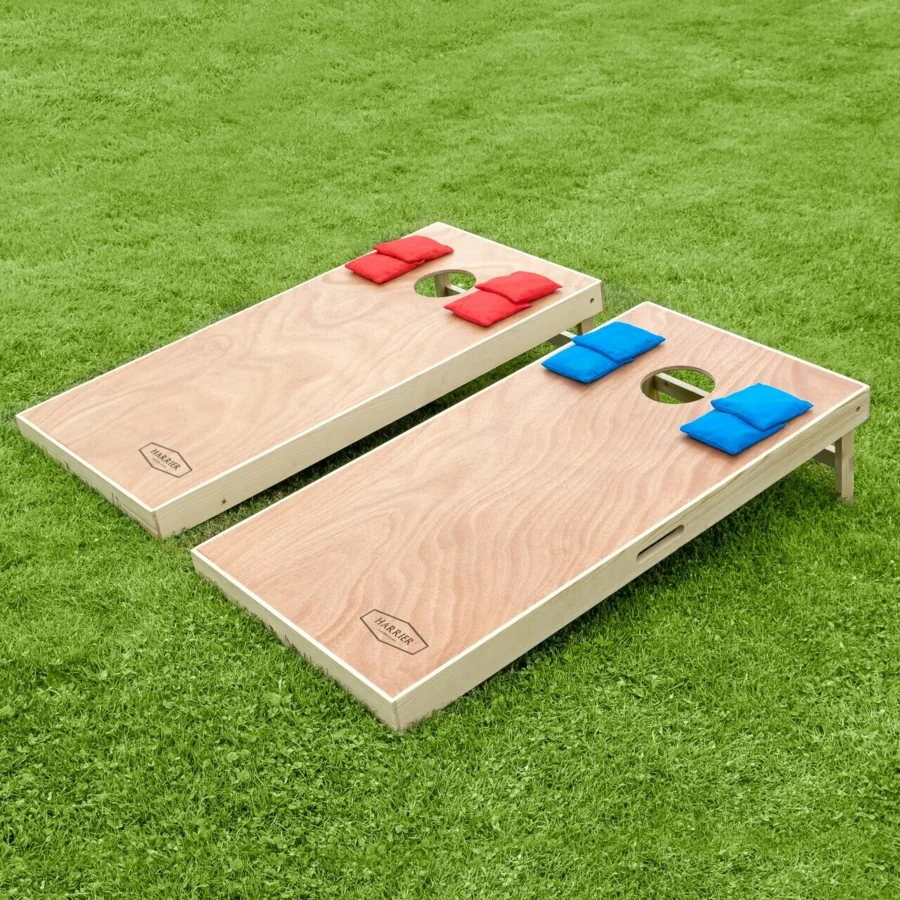
Cornhole is an outdoor game that involves throwing small bean bags or similar filled fabric bags toward a sloped wooden or composite board. Each board has a circular opening near its raised end, creating two main scoring opportunities.
Players take turns throwing their bags from a designated position. They earn points when a bag remains on the board or passes through the hole. The first player or team to reach the agreed winning score, commonly 21 points, wins the game under standard scoring rules.
The activity is often played as a singles or doubles competition. It is suitable for casual recreation as well as organized tournaments because the equipment is relatively simple and the rules can be learned quickly.
Essential Equipment for Playing Corn Hole
A complete cornhole setup requires a few basic components. Choosing suitable equipment helps create a consistent playing experience and improves durability.
1. Cornhole Boards
The board is the main target. Traditional boards are rectangular, with a circular hole positioned near the raised end. They are usually made from plywood, solid wood, or durable composite materials.
A regulation-style board is approximately 120 cm long and 60 cm wide, with the playing surface raised at one end. The hole is typically about 15 cm in diameter.
For casual use, smaller or lightweight boards may also be suitable, especially when portability is important.
2. Cornhole Bags
Players throw fabric bags filled with materials such as plastic resin pellets or other suitable filling. Each bag should have a consistent size and weight so that players can aim and throw reliably.
A standard set contains eight bags, with four bags assigned to each team in two contrasting colors.
3. Carrying and Storage Accessories
A carrying case or storage bag makes it easier to transport the boards and bags. Some portable sets include folding legs or compact designs that reduce storage requirements.
4. Measuring Tools
A measuring tape can help organizers position the boards at the correct distance. For casual games, players can agree on a shorter distance to make participation easier for children and beginners.
5. Scoreboard
A simple scoreboard helps players track points and avoid confusion. Some sets include a small scoring device, while a notebook or manual score sheet works equally well.
How to Set Up a Corn Hole Game
A well-organized playing area makes the game more enjoyable and helps participants follow the rules.
Step 1: Select a Suitable Playing Area
Choose a reasonably flat surface with enough space for players to stand, throw, and retrieve bags safely. Grass, compacted soil, and suitable outdoor flooring can work well.
Avoid areas with obstacles, slippery surfaces, or heavy pedestrian traffic.
Step 2: Position the Boards
Place two boards facing each other, with their front edges aligned toward the throwing areas. In regulation-style play, the boards are positioned 27 feet apart from front edge to front edge.
For younger participants or recreational games, the distance can be reduced.
Step 3: Divide the Players Into Teams
Cornhole can be played by two individuals or by two teams of two players. In doubles play, one player from each team stands at each end of the playing area.
Assign a different bag color to each team.
Step 4: Establish the Throwing Position
Players should throw from beside the board without stepping beyond the designated foul line. Everyone should agree on the throwing position before the game starts.
Step 5: Decide Who Throws First
Players can use a coin toss or another fair method to determine the first throw. After the opening round, the team that scores more points in the previous inning generally throws first in the next inning.
Corn Hole Rules Explained
The rules are simple enough for beginners, but understanding the scoring system is essential for fair competition.
Basic Throwing Rules
Each team receives four bags. Players take turns throwing one bag at a time until all eight bags have been thrown.
In singles play, both players throw from the same end and move to the opposite end after completing the round. In doubles play, partners stand at opposite ends, with players throwing toward the board in front of them.
A player must remain behind the foul line when releasing the bag. A throw that violates the agreed throwing rules may be counted as a foul.
Cornhole Scoring System
The standard scoring system awards points according to where each bag finishes.
| Bag result | Points awarded |
|---|---|
| Bag passes through the hole | 3 points |
| Bag remains on the board | 1 point |
| Bag lands on the ground or misses the board | 0 points |
A bag that touches the ground before landing on the board does not count as a scoring bag under standard rules.
Cancellation Scoring
Many standard cornhole games use cancellation scoring. This means that the points scored by one team are subtracted from the points scored by the other team during the same round.
For example:
- Team A scores 7 points.
- Team B scores 4 points.
- Team A receives 3 points for that round.
The scores are then added to each team’s running total.
Winning the Game
A traditional game is commonly played to 21 points. Under standard rules, a team generally needs to reach or exceed 21 points to win, although some recreational groups use a rule requiring an exact score.
Before starting, players should agree on the winning conditions to avoid disagreements during the final round.
Different Ways to Play Corn Hole
One reason for the game’s popularity is its flexibility. It can be adapted to suit different group sizes, age ranges, and occasions.
Singles Cornhole
Two players compete against each other. Each player throws four bags per round, alternating turns with the opponent.
Singles play is ideal for practicing accuracy and developing individual throwing techniques.
Doubles Cornhole
Two teams of two players compete. Each partner stands at an opposite board, and players take turns throwing toward the board in front of them.
This format encourages teamwork and communication.
Family Cornhole
Families can adjust the throwing distance and target requirements to accommodate younger children or beginners. Shorter distances and relaxed scoring rules help make the game more inclusive.
Team Tournament Cornhole
For larger events, organizers can arrange multiple matches, use a simple knockout format, or create a points-based league. A scoreboard and clear schedule help participants follow the competition.
Benefits of Playing Corn Hole
Cornhole offers more than casual entertainment. It can support physical coordination, concentration, and positive social interaction.
1. Improves Hand-Eye Coordination
Players must observe the board, judge the distance, and release the bag with suitable direction and force. Repeated practice helps develop coordination between visual judgment and movement.
2. Encourages Focus and Concentration
Successful throws require attention to the target and consistent technique. Players learn to concentrate on each attempt rather than rushing their movements.
3. Develops Strategic Thinking
Players must consider whether to aim for the hole, land safely on the board, or make a throw that changes the opponent’s scoring opportunities. These decisions add a strategic element to the activity.
4. Promotes Social Interaction
The game encourages conversation, teamwork, and friendly competition. It can help bring together people who have different levels of sporting experience.
5. Provides Accessible Outdoor Recreation
Cornhole does not require running, specialized athletic training, or complex movements. This makes it a convenient recreational option for many age groups and fitness levels.
6. Supports Teamwork
In doubles play, partners can discuss tactics, encourage each other, and coordinate their approach. This makes the game suitable for family activities and group events.
7. Offers Flexible Entertainment
The equipment can be used in gardens, parks, campsites, school events, and outdoor celebrations. Casual players can enjoy a short match, while competitive groups can organize longer tournaments.
Tips for Improving Your Corn Hole Throwing Skills
Although the game is easy to learn, consistent performance takes practice. A few basic techniques can help players improve their accuracy.
Develop a Consistent Throwing Motion
Use a comfortable underhand throwing motion and try to keep the movement consistent. Repeating the same release technique can make it easier to control the direction and height of the bag.
Aim Before Releasing the Bag
Take a moment to identify the target. Beginners may find it easier to aim for the center of the board before attempting more difficult hole shots.
Control the Throwing Force
A bag thrown too hard may bounce or slide off the board. A softer throw can help it land more gently, although the ideal force depends on the board surface and playing conditions.
Practice Different Throwing Angles
Experiment with a flatter throw and a higher arc. Different approaches may work better depending on the distance, weather, and surface of the board.
Maintain a Comfortable Stance
Stand in a balanced position with your feet comfortably placed. Avoid unnecessary body movement during the release.
Learn From Each Round
Pay attention to where your bags land. If they repeatedly fall short or travel too far, adjust your throwing force and release angle gradually.
Common Corn Hole Strategies
As players become more experienced, they can use different tactics to improve their chances of winning.
Aim for the hole when the opportunity is suitable. A successful hole shot earns three points, making it a valuable target. However, players should consider the risk of missing the board entirely.
Use board shots for consistency. Landing a bag on the board earns one point and may be a more reliable choice for beginners.
Consider the opponent’s position. A well-placed throw may make it harder for the opposing team to score or may move an opponent’s bag away from the hole.
Communicate with your teammate. In doubles play, discussing the score and possible tactics can help partners make better decisions.
Adapt to the playing conditions. Wind, surface texture, and board material can affect bag movement. Adjust your technique when conditions change.
How to Choose a Quality Corn Hole Set
Selecting the right equipment can make a significant difference in convenience, safety, and long-term use.
Board Material and Construction
Look for a board made from sturdy materials with a stable frame. Wooden boards can provide a traditional appearance, while composite materials may offer advantages in portability and weather resistance.
Check that the board surface is smooth and that the legs provide reliable support.
Board Size and Design
Choose a board size appropriate for your intended use. Regulation-style dimensions are useful for players interested in standard gameplay, while compact versions may be more practical for travel and casual family activities.
Bag Quality
Bags should have strong stitching and durable fabric. Check that they are filled evenly and have a comfortable weight for throwing.
Surface Finish
A consistent playing surface helps bags slide or stop in a predictable way. Avoid boards with rough edges, loose components, or uneven construction.
Portability
If you plan to take the game to parks, beaches, or parties, consider a lightweight set with folding legs and a carrying case.
Safety and Durability
Check for secure fittings, stable legs, and smooth edges. Equipment used by children should be inspected regularly for damage and loose parts.
Maintaining and Storing Corn Hole Equipment
Proper maintenance helps extend the life of a cornhole set, particularly when it is used outdoors.
- Wipe boards clean after each session.
- Remove dirt, grass, and moisture from the bags.
- Allow fabric bags to dry fully before storing them.
- Keep wooden boards in a dry, covered location when not in use.
- Avoid leaving equipment outdoors in heavy rain or extreme weather.
- Check screws, hinges, legs, and other fittings regularly.
- Store the bags and accessories together to prevent them from becoming lost.
For wooden boards, follow the manufacturer’s recommendations for cleaning and protective finishes.
Best Occasions for Playing Corn Hole
Cornhole is suitable for many recreational settings because it is easy to transport and does not require a large amount of specialized equipment.
Family Gatherings
A cornhole match can provide entertainment during birthdays, reunions, and weekend gatherings. Different age groups can participate by adjusting the throwing distance.
Garden Parties and Barbecues
The game works well as a casual activity while guests socialize. Organizers can set up a small competition or allow participants to play informally.
School and Community Events
Schools and community groups can use cornhole as part of supervised recreational programs. It provides an opportunity to practice coordination and teamwork.
Camping and Picnics
Portable sets can make outdoor trips more entertaining. A suitable open space is all that is needed to organize a friendly match.
Corporate and Team-Building Events
Cornhole can be included in workplace recreation days and social events. Doubles matches encourage communication and friendly collaboration.
Corn Hole Compared With Other Outdoor Games
Cornhole belongs to a broad category of outdoor throwing activities, but its board-and-bag format creates a distinct playing experience.
| Feature | Cornhole | Other outdoor throwing games |
|---|---|---|
| Main equipment | Raised boards and fabric bags | Varies by activity |
| Main objective | Land bags on the board or through the hole | Hit, reach, or knock down targets |
| Scoring | Points for board and hole shots | Depends on the game |
| Physical demands | Controlled throwing and movement | Varies by activity |
| Team formats | Singles and doubles | Depends on the rules |
| Playing locations | Gardens, parks, and outdoor events | Indoor or outdoor spaces |
For people who enjoy target-based activities, cornhole offers a combination of simple rules, adjustable difficulty, and competitive possibilities.
Organizing a Successful Corn Hole Tournament
A well-planned tournament can make the game more exciting for larger groups.
Start by selecting a suitable location with enough room for multiple boards if necessary. Establish the number of teams, match format, throwing distance, and scoring rules before the event begins.
Create a schedule so participants know when they are expected to play. A simple bracket or points table can help organizers track results and determine the final winner.
For mixed-age groups, consider allowing shorter throwing distances for younger participants. Make sure spectators remain outside the throwing area and that players retrieve bags only when it is safe to do so.
Providing a brief rules explanation before the first match can also help beginners participate confidently.
Conclusion
Corn Hole is a versatile outdoor game that combines throwing accuracy, strategy, teamwork, and social entertainment. Its straightforward equipment and accessible rules make it suitable for family gatherings, school activities, community events, and friendly competitions.
Choosing a durable board, well-made bags, and practical storage accessories can improve the playing experience and help equipment last longer. With regular practice, players can develop more consistent throwing techniques and explore different strategies.
Whether played casually in a backyard or as part of an organized tournament, cornhole provides an enjoyable way to bring people together and make outdoor activities more engaging.