Packaging does not end when a product is placed inside a container or wrapped in protective material. Before finished goods can be stored, transported, or delivered to customers, they often pass through several additional processes, including carton forming, case packing, sealing, labeling, inspection, and palletizing. These activities are essential for preparing products for distribution and maintaining an organized manufacturing workflow.
This is where End of Line Packaging Machinery plays an important role. It refers to the equipment used at the final stage of a packaging operation to prepare completed products for storage and shipment. By automating repetitive handling and packaging tasks, these machines help manufacturers improve productivity, maintain consistent packaging quality, and reduce dependence on manual labor.
What Is End of Line Packaging Machinery?
End-of-line packaging machinery includes a range of automated or semi-automated machines that handle products after their primary packaging has been completed. These systems prepare individual packages, cartons, cases, or groups of products for transportation and warehouse handling.
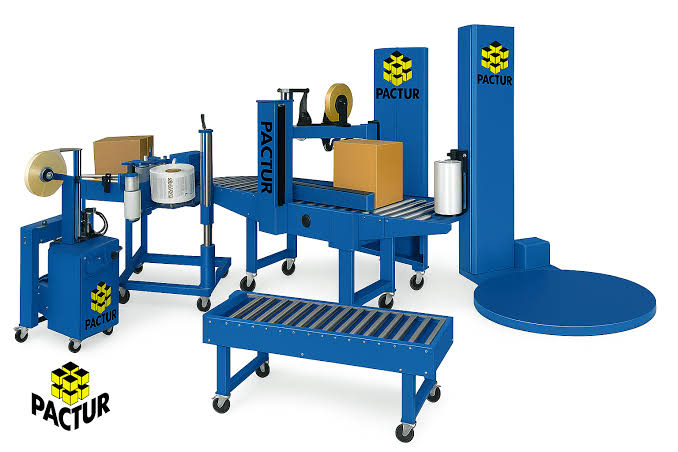
Depending on the manufacturing process, an end-of-line packaging setup may include several connected machines working together. For example, products may move from a case packing machine to a carton sealer, then through a labeling station before reaching a palletizer.
The equipment selected depends on product characteristics, packaging materials, production volume, available floor space, and distribution requirements.
Main Types of End of Line Packaging Machinery
Different machines perform specific functions during the final packaging stage. Understanding their roles helps manufacturers select equipment that matches their operational needs.
1. Case Erectors
Case erectors automatically form flat corrugated cardboard blanks into open boxes or cartons.
The machine folds the panels into the required shape and may apply adhesive tape or glue to secure the bottom flaps. This prepares cartons for receiving products.
Case erectors are useful in facilities that handle large quantities of products and need a consistent supply of correctly formed boxes.
2. Case Packing Machines
Case packing machines place products into cartons or shipping cases according to a predetermined arrangement.
Depending on the machine design, products may be loaded horizontally, vertically, or through robotic picking systems.
These machines are commonly used in food and beverage manufacturing, pharmaceuticals, personal care, and consumer goods production.
Automated case packing can help maintain accurate product counts and reduce repetitive manual handling.
3. Carton Sealing Machines
Carton sealing machines close and secure filled cartons using adhesive tape, hot-melt glue, or other suitable sealing methods.
Some models seal only the top flaps, while others can close both the top and bottom of cartons.
Automatic sealing equipment is particularly useful for businesses that process high carton volumes or work with multiple packaging sizes.
Consistent sealing helps protect products during storage and transportation.
4. Shrink Wrapping Machines
Shrink wrapping machines apply heat-shrinkable plastic film around products or grouped packages.
After the film is positioned, controlled heat causes it to contract and fit closely around the packaged items.
These machines are frequently used for beverage multipacks, household products, promotional bundles, and selected industrial goods.
Shrink wrapping can help hold products together and provide an additional protective layer during handling.
5. Stretch Wrapping Machines
Stretch wrapping machines secure products on pallets by applying stretch film around the load.
The film holds cartons and other packaged goods together, helping reduce movement during transportation and storage.
Common configurations include:
- Turntable wrappers: The pallet rotates while film is applied.
- Rotary arm wrappers: The wrapping arm moves around a stationary pallet.
- Automatic stretch wrappers: The machine handles selected wrapping steps with minimal operator involvement.
The appropriate design depends on pallet dimensions, load weight, production speed, and wrapping requirements.
6. Labeling and Coding Machines
Labeling machines apply product, carton, or shipping labels to packages. Coding systems print information such as batch numbers, manufacturing dates, expiration dates, and barcodes.
Accurate labeling supports product identification, inventory management, and distribution processes.
Modern systems can connect with production databases to apply different information based on product type or order requirements.
7. Robotic Palletizers
Robotic palletizers use programmable robotic arms to arrange cartons, bags, containers, or other packages onto pallets.
They can follow predetermined stacking patterns to create stable loads suitable for warehouse handling.
Robotic palletizing systems are useful for manufacturers that handle multiple product formats or require flexible stacking arrangements.
They can also reduce the physical demands associated with repetitive lifting and stacking tasks.
8. Conventional Palletizing Machines
Conventional palletizers arrange packaged products into layers and transfer them onto pallets using mechanical handling systems.
Depending on their configuration, they may handle cartons, bags, trays, or containers.
These machines are often selected for high-volume production lines where consistent product arrangements and continuous operation are important.
9. Pallet Conveyors
Pallet conveyors move loaded or empty pallets between different production and warehouse stations.
They may use rollers, chains, or other conveying mechanisms depending on the pallet design and load requirements.
Integrated pallet conveyors help reduce manual forklift movement in designated production areas and support a more organized material-handling process.
Key Functions of End of Line Packaging Machinery
Although individual machines perform different tasks, they work toward several common operational objectives.
Preparing Products for Shipment
One of the main functions is converting finished packages into transport-ready units. This may involve grouping products, placing them in cartons, sealing cases, applying labels, and arranging them on pallets.
Improving Packaging Consistency
Automated equipment follows programmed settings and repeatable operating procedures. This helps maintain consistent carton dimensions, sealing quality, label placement, and pallet arrangements.
Reducing Manual Handling
Repetitive tasks such as lifting cartons, sealing cases, and stacking products can require considerable physical effort.
Automation reduces the need for employees to perform every handling step manually, allowing them to focus on supervision, quality checks, and other production responsibilities.
Supporting Higher Production Speeds
Manual packaging processes can become a bottleneck when manufacturing output increases.
Appropriately selected automated machinery can process products more consistently and help maintain the required production rate.
Protecting Products During Distribution
Proper carton sealing, shrink wrapping, and pallet stabilization help reduce the risk of movement and damage during storage and transportation.
The level of protection depends on packaging materials, product characteristics, and handling conditions.
Common Applications Across Different Industries
End-of-line packaging machinery is used in many industries because most manufacturers need to prepare finished products for distribution.
Food and Beverage Industry
Food and beverage manufacturers use case packers, carton sealers, shrink wrappers, labeling systems, and palletizers to handle packaged products.
These machines can support the packaging of bottled drinks, canned foods, snacks, frozen products, and other consumer goods.
Equipment selection must account for hygiene requirements, packaging materials, product dimensions, and production conditions.
Pharmaceutical Industry
Pharmaceutical manufacturers require accurate product identification and controlled packaging processes.
End-of-line equipment may handle cartons, cases, labeling, serialization-related identification, and pallet preparation.
Reliable inspection and traceability processes are particularly important in this sector.
Cosmetics and Personal Care
Manufacturers of cosmetics and personal care products use automated equipment to pack bottles, jars, tubes, boxes, and promotional product bundles.
Flexible packaging machinery can help businesses manage different container sizes and product configurations.
Household and Consumer Goods
Products such as cleaning supplies, kitchen accessories, personal care items, and household appliances often require protective cartons and organized pallet loads.
Automated case packing and palletizing can help prepare these products for retail distribution and warehouse storage.
Industrial and Building Materials
Industrial manufacturers may use end-of-line machinery to package heavy or bulky goods, including components, hardware, construction materials, and industrial supplies.
The machinery must be suitable for the weight, dimensions, and handling requirements of these products.
How an End of Line Packaging System Works
A complete end-of-line setup typically follows a sequence of connected operations. The exact arrangement varies according to the product and manufacturing process.
A common workflow includes:
- Product collection: Finished packages arrive from the primary packaging line through a conveyor.
- Grouping and counting: Products are organized into the required quantities for case packing.
- Carton preparation: A case erector forms cartons and prepares them for loading.
- Case packing: Products are placed into cartons according to the required arrangement.
- Carton sealing: Filled cases are closed using tape, adhesive, or another sealing method.
- Labeling and coding: Identification and shipment information is applied or verified.
- Palletizing: Sealed cartons are arranged into stable pallet loads.
- Pallet wrapping: Stretch film secures the completed load for transportation.
- Pallet transfer: Conveyors or handling equipment move finished pallets toward storage or dispatch.
Not every production line requires all these stages. Some manufacturers may need only carton sealing and palletizing, while others require a fully integrated system.
Benefits of Using Automated End of Line Machinery
Investing in suitable packaging equipment can provide several operational advantages.
Higher productivity: Automated machines can handle repetitive packaging activities at consistent speeds, helping manufacturers increase output.
Reduced labor requirements: Equipment can take over selected manual tasks, reducing the physical workload associated with packaging operations.
Consistent results: Programmable processes support repeatable carton forming, sealing, labeling, and palletizing.
Improved workplace organization: Automated material movement can create a more structured flow between packaging, storage, and dispatch areas.
Better product protection: Properly sealed cartons and secured pallet loads help minimize damage during handling and transportation.
Greater production flexibility: Modern equipment with adjustable settings can support different product sizes and packaging formats, depending on its design.
Factors to Consider When Selecting Packaging Machinery
Choosing suitable machinery requires a clear understanding of current production requirements and future business plans.
Production Capacity
Manufacturers should determine how many packages, cartons, or pallets must be processed per hour. Equipment capacity should match the actual production rate rather than relying only on maximum advertised speed.
Product Characteristics
Product weight, shape, dimensions, fragility, and packaging configuration influence machinery selection. Equipment designed for lightweight cartons may not be suitable for heavy industrial products.
Packaging Materials
The type of carton, tape, adhesive, film, or label affects machine compatibility. Manufacturers should verify that equipment can handle their preferred packaging materials reliably.
Available Floor Space
End-of-line machinery must fit within the existing facility layout. Businesses should consider equipment dimensions, operator access, maintenance clearance, conveyor routes, and pallet movement.
Integration Capabilities
Machines should communicate effectively with upstream packaging equipment and downstream warehouse operations. Compatible controls and conveyor connections can help prevent interruptions.
Maintenance and Technical Support
Reliable operation depends on accessible spare parts, routine maintenance, operator training, and technical assistance. These factors should be considered alongside the initial purchase price.
Conclusion
End-of-line packaging machinery plays an essential role in preparing finished products for storage, transportation, and distribution. From case erectors and carton sealers to labeling systems, stretch wrappers, and robotic palletizers, each machine contributes to a different stage of the final packaging process.
The right equipment combination depends on production capacity, product requirements, packaging materials, facility layout, and long-term business objectives. By evaluating these factors carefully, manufacturers can build packaging systems that improve workflow, maintain consistency, and support future growth.
For businesses exploring integrated packaging solutions, Techflow Pack is a useful industry reference when assessing machinery options and planning an efficient end-of-line packaging operation.